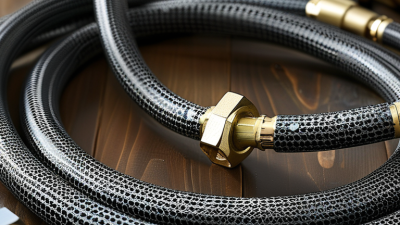
Choosing the right Flexible Hose is more than matching diameter and length. It is a practical decision involving pressure, temperature, movement, materials, and connection design. A hose that looks suitable may fail when exposed to heat, vibration, or repeated bending. The safest choice begins with the actual working conditions, not a product photograph.
In field inspections, small details often reveal larger risks. A hose rubbing against a sharp bracket can wear through its outer cover. An undersized bend radius can weaken reinforcement over time. Even a clean water line may need different materials than a hose carrying oil, chemicals, or compressed air. Check the working pressure, burst pressure, temperature range, fluid compatibility, and fitting type. These values should come from reliable manufacturer data and recognized testing requirements.
There is no universal hose.
A strong selection process also considers installation and maintenance. Measure the route carefully, allowing enough length for movement without creating loops. Keep the hose away from excessive twisting. Inspect fittings, clamps, covers, and sealing surfaces before operation. Replacement intervals should reflect real usage, not only calendar dates. This part is sometimes overlooked. I have seen well-rated hoses fail because installation was rushed.
This guide explains how to compare hose constructions, choose suitable materials, and avoid common sizing errors. It also considers safety margins and long-term operating costs. Some recommendations may need adjustment after testing, because site conditions are rarely perfect. When uncertainty remains, consult a qualified engineer or the hose manufacturer before installation. Reliable advice is worth more than a cheap replacement.
How to Choose the Right Flexible Hose?
Understanding Flexible Hose Types and Their Typical Applications
Choosing a flexible hose starts with the fluid, temperature, pressure, and movement involved. A hose that handles water may fail quickly with oil, steam, or aggressive chemicals. Check the technical data carefully, not only the outside diameter.
Braided rubber hoses suit hydraulic lines, compressed air, and general industrial service. Their reinforcement helps manage pressure and repeated bending. PVC hoses are lighter and often used for water transfer, ventilation, and low-pressure material handling. For high-purity fluids or corrosive chemicals, PTFE-lined hoses offer strong chemical resistance and a smooth internal surface. They may cost more, but contamination can be far more expensive.
Metal hoses tolerate high temperatures and can absorb vibration near engines, furnaces, and process equipment. Corrugated suction hoses work well for pumps, powders, and liquids that need a flexible intake path. They need enough wall strength to resist collapse under vacuum. Small details matter. Bend radius, coupling material, static grounding, and hose length can change performance.
I have seen installations fail because the hose was bent tightly behind a fitting. The pressure rating looked correct. The application was still wrong. Leave room for movement, inspect covers for abrasion, and replace damaged assemblies before leaks appear. Selection is sometimes an educated compromise, especially when temperature cycles and chemical exposure vary. Recheck the decision after real operating data becomes available.
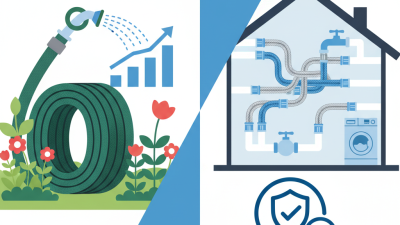
Choosing a flexible hose starts with the conveyed medium, not the price tag. The wrong liner can swell, harden, crack, or release particles. Start with the Safety Data Sheet. Check the chemical name, concentration, temperature, pressure, and cleaning method. ISO 8330:2022 stresses that hose selection depends on service conditions, not fluid name alone.
For water and mild aqueous solutions, EPDM often performs well. It is also suitable for many steam applications, within its rated limits. PTFE offers strong resistance to aggressive chemicals and reduces absorption. However, it can require careful support because it is less flexible in some assemblies. FKM commonly handles hydrocarbons, oils, and fuels, but it may perform poorly with certain hot steam or polar chemicals. EPA’s 2022 TRI National Analysis reported about 30 billion pounds of production-related chemical waste managed in the United States. That figure shows how varied industrial media can be. One material cannot fit every process.
Tips: Compare the hose chart with the exact fluid concentration. Check both continuous and peak temperature. Verify pressure after bending. Inspect the cover for swelling, discoloration, or soft spots. EN 12115:2021 also highlights electrical continuity and safety requirements for chemical hose assemblies. A small oversight matters. I would not rely on a generic compatibility chart alone; testing a sample under real conditions is safer. Permeation is easy to overlook, especially with solvents. Document the decision, including what remains uncertain.
Matching hose materials to the conveyed medium
The chart shows typical screening-level compatibility scores from 1 (limited suitability) to 5 (commonly suitable) for frequently used hose materials. Actual selection must also consider temperature, pressure, concentration, permeation, abrasion, cleaning procedures, and applicable regulations.
Pressure, temperature, and flexibility determine whether a hose performs safely over time. Start with the system’s normal working pressure. Then check pressure surges, pulsation, and vacuum conditions. A hose may survive steady pressure but fail during sudden starts or stops. Select a working pressure rating above the highest expected load. Do not rely on appearance alone. A thick hose is not always the safer choice.
Temperature ratings must match both the fluid and the surrounding environment. Check continuous temperature and short-term peaks separately. Hot oil, steam, chemicals, and cold air can affect hose materials differently. Confirm fluid compatibility through technical documentation and supplier data. Small details matter, including fittings, seals, and cleaning methods. A missed temperature spike can shorten service life quickly.
Tips: Measure the actual bend radius during operation. Leave enough length for movement, but avoid loose loops. Never twist a hose to align fittings. Secure it away from sharp edges, heat sources, and heavy vibration. Inspect for blisters, cracks, flattening, and unusual stiffness. A flexible hose can still be installed poorly. That is an easy mistake to make. Record pressure, temperature, movement, and inspection dates before final selection. Recheck the choice when operating conditions change.
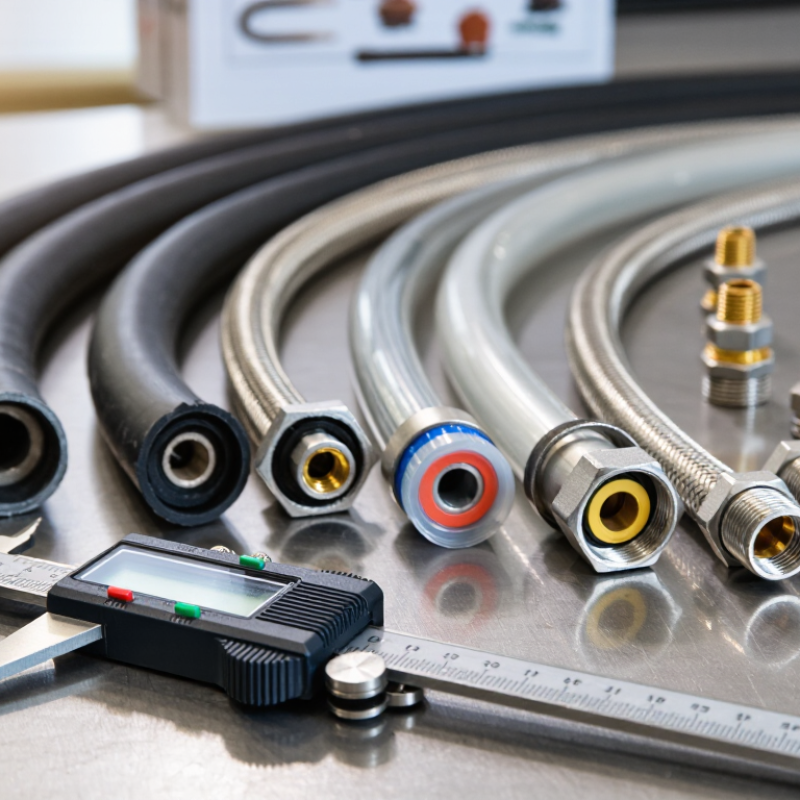
Flexible hose selection starts with the inside diameter, not the outside appearance. Choose a bore that carries the required flow without creating excessive pressure loss. Check the working pressure, temperature range, and vacuum rating from the technical data. A hose can look strong and still collapse under suction. Measure the actual connection ports with calipers when possible. Small errors matter.
Length must allow movement without pulling on the fittings. Keep the hose relaxed, with a gentle bend rather than a sharp elbow. Respect the minimum bend radius, especially near crimped ends. Leave enough length for vibration and thermal expansion, but avoid loose loops that rub against frames. I often make a temporary cardboard route before ordering. It saves material, though I still recheck the final measurement because real installations rarely match the drawing.
Connection type should match both the equipment port and service conditions. Threaded ends suit compact assemblies, while flanges or clamps may simplify cleaning and maintenance. Confirm the thread standard, sealing method, face dimensions, and material compatibility. Do not force mismatched threads. Tighten according to documented torque guidance, then inspect for twisting. A pressure test at the intended operating range can reveal leaks before commissioning. I have learned that a perfect size choice can fail when the connection is poorly aligned.
Durability starts with the hose’s working environment. Identify the fluid, temperature range, pressure, movement, and exposure to sunlight or chemicals. A hose that performs well indoors may crack quickly outdoors. Check the working pressure, burst pressure, bend radius, and connector compatibility before installation. Small mismatches can create serious failures.
Safety depends on more than a printed rating. Look for traceable markings and test documents showing compliance with standards required in your region. Confirm that the hose suits the transported medium, especially when handling hot water, compressed air, or sensitive liquids. Inspect every fitting for sharp edges, loose threads, and poor alignment. Never stretch a hose to reach a connection. It may look neat, but tension weakens the assembly.
Maintenance needs to be practical. Keep hoses away from dragging surfaces, standing water, and excessive heat. During routine checks, look for bulges, flattened sections, discoloration, cuts, and soft spots. Replace damaged assemblies rather than repairing them with improvised parts. I used to focus mainly on pressure ratings. That was incomplete. Aging, vibration, and repeated bending often reveal problems earlier. Record inspection dates and service conditions, even when the hose appears normal. Flexible does not mean indestructible.