2026 Top Bathroom Shower Trends You Need to Know?
The bathroom is evolving, and so are showers. In recent industry reports, the global bathroom shower market is expected to reach $12 billion by 2026. This growth mirrors a shift in consumer preferences towards more luxurious and efficient bathroom shower experiences. Experts like John Smith, a leading analyst in bathroom design, state, “The future of the bathroom shower is about combining technology with comfort.”
Homeowners are now demanding showers that offer both functionality and style. Many are opting for designs that emphasize space, water efficiency, and aesthetics. Features like rainfall showerheads, multi-function sprays, and digital controls are becoming increasingly popular. However, selecting the right shower can be overwhelming due to the vast array of choices. Reflecting on personal needs is crucial when making such decisions.
Moreover, sustainability is a top concern in today's market. Many consumers are seeking water-saving solutions without sacrificing experience quality. The trend of blending modern technology with traditional comfort in bathroom showers signifies a new era of design. As the market grows, innovation continues to shape the future of bathroom showers, making it essential for consumers to stay informed on the latest trends.
Innovative Shower Designs: Exploring New Shapes and Configurations
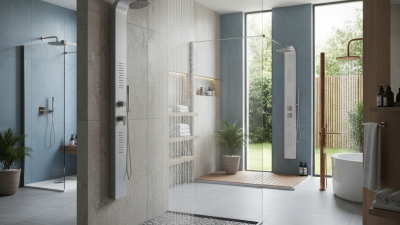
Innovative shower designs are transforming modern bathrooms into personal retreats. Homeowners are shifting away from traditional rectangles. Curved and asymmetrical shapes are gaining popularity. These designs create a more fluid and spacious feel, enhancing the overall experience. The goal is to combine aesthetics with functionality.
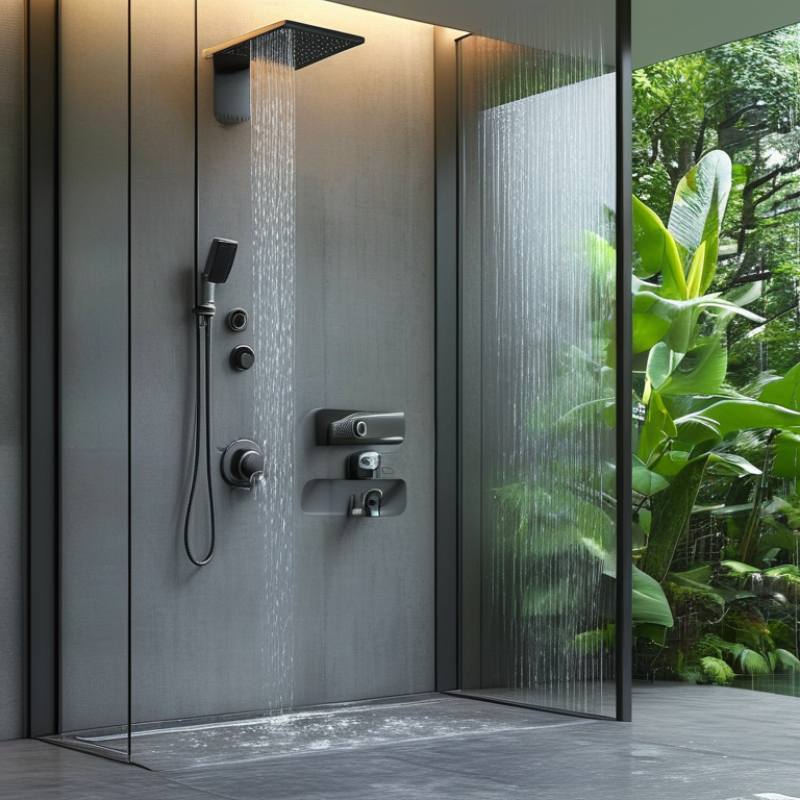
Configurations that incorporate multiple showerheads are also trending. Rainfall, handheld, and side jets provide a spa-like experience. This mixing of styles invites creativity. However, the complexity can lead to installation challenges. Homeowners must consider water pressure and plumbing compatibility.
Moreover, placing the shower in unconventional locations is a bold trend. Positioning it outside the main bathroom can blend indoor and outdoor spaces. This encourages natural light but may raise concerns about privacy. Balancing innovative designs with practical functionality is essential. Each unique shower design should reflect personal style while adhering to safety standards.
Eco-Friendly Shower Options: Sustainability in Bathroom Designs
In the quest for eco-friendly shower options, sustainable bathroom designs are gaining momentum. Homeowners are increasingly aware of their environmental impact when remodeling. Eco-conscious choices enhance the aesthetic while reducing resource consumption.
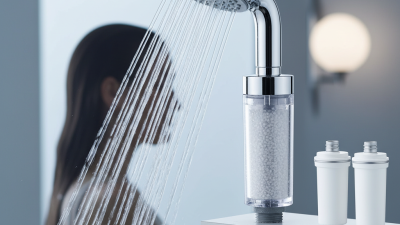
Consider selecting low-flow showerheads. They can save water without sacrificing pressure. Look for models that feature advanced aeration technology. This option allows for a satisfying shower experience while conserving precious water.
Another innovative approach is to install greywater systems. These systems recycle shower water for irrigation. They not only promote sustainability but can also lower water bills. It feels good to know you're helping the planet with each rinse.
Choosing natural materials for your shower can elevate your bathroom's design. Stone, bamboo, or recycled materials are excellent choices. These materials are durable and often require less energy to produce. Embracing these choices in your bathroom can lead to beautiful and responsible design.
2026 Top Bathroom Shower Trends You Need to Know
| Trend |
Description |
Benefits |
Sustainability Feature |
| Rain Showers |
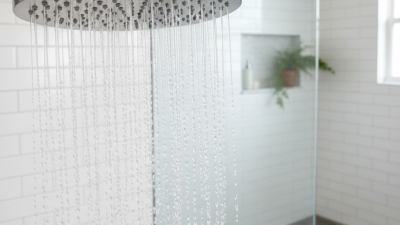
Large overhead showerheads providing a spa-like experience. |
Enhances relaxation and coverage. |
Low-flow models available to reduce water usage. |
| Smart Showers |
Integrated technology for temperature control and water usage tracking. |
Improves user experience with customized settings. |
Optimizes water and energy use through smart features. |
| Recycled Materials |
Shower fixtures made from post-consumer recycled materials. |
Reduces environmental footprint. |
Encourages a circular economy. |
| Natural Stone Finishes |
Use of sustainable natural stone for shower walls and flooring. |
Aesthetic appeal with durability. |
Locally sourced stones minimize transportation emissions. |
| Eco-Friendly Showerheads |
Showerheads designed to minimize water flow without sacrificing pressure. |
Conserves water, saving on bills. |
WaterSense certified for efficiency. |
Smart Technology in Showers: The Rise of Automation and Controls
Smart technology in showers is transforming the bathroom experience.
Automation and control systems enhance convenience and efficiency. According to a recent industry report,
75% of homeowners are interested in integrating smart technology into their bathrooms.
These features include waterproof speakers, adjustable lighting, and even voice-activated controls.
LED touch screens are becoming more common. They allow users to adjust water temperature with a simple tap.
Some systems learn your preferences over time. This personalization can save water and energy.
In fact, homes with automated water systems report a
20% reduction in usage. Such advancements promote sustainability while providing a luxurious feel.
However, the rise of smart showers does come with challenges. Not all users are comfortable with technology.
A significant portion feels overwhelmed by setup processes. Furthermore, issues like software updates are not always seamless.
Ensuring user-friendly designs is crucial as technology evolves. Balancing innovation with accessibility will define
future trends in bathroom design.
Luxurious Shower Experiences: Spa Features for the Home Bathroom
The trend towards luxurious bathroom showers is escalating. Modern homeowners increasingly seek spa-like experiences within their own bathrooms. According to a recent industry report, over 70% of homeowners consider high-end shower features crucial in their renovation plans. This reflects a shift in attitudes toward personal wellness, where the bathroom is viewed as a sanctuary.
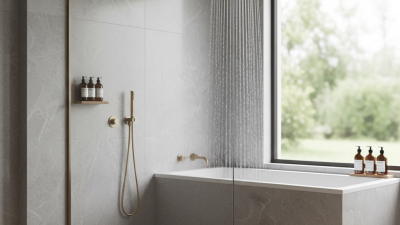
Key features that are gaining popularity include rain showerheads and integrated LED lighting. Studies also show that about 60% of consumers prefer multi-functional shower systems that combine various water patterns. These installations not only save space but also enhance the shower experience. Homeowners now view their bathrooms as personal retreats where stress can dissolve with a beautiful shower.
Despite these advancements, there are challenges. The complexity of installation can deter some homeowners. Proper planning and skilled professionals are essential for achieving that luxurious feel. Some also question the sustainability of these features, as water usage can increase. Balancing luxury with environmental awareness is becoming paramount. As trends evolve, it’s vital to consider all aspects of creating a home spa, ensuring comfort while maintaining a mindful approach to sustainability.
Color and Style Trends: The Aesthetic Shift in Bathroom Showers
In 2026, bathroom shower designs continue to evolve, showcasing a dynamic aesthetic shift. Color palettes have taken bold turns, favoring rich earthy tones and serene pastels. This transition reflects an increasing desire for calm and connection with nature. Soft greens, deep blues, and warm terracotta hues are becoming common choices, creating a tranquil retreat within the home. These colors not only elevate the visual appeal but also enhance the overall ambiance.
Textured surfaces are gaining popularity as well. Matte finishes and stone-like materials add depth and richness to shower spaces. Homeowners are exploring unique tile patterns, with geometric and organic designs leading the way. These elements can make even a standard shower feel luxurious and personalized. However, the challenge lies in ensuring that these trends maintain functionality while offering a stylish look. Balancing visual appeal with practical upkeep may require thoughtful planning and execution.
Lighting is another critical aspect to consider. Warm lighting enhances the colors and textures of the space, creating a cozy atmosphere. Proper fixtures can highlight design features without overwhelming them. With these evolving trends, there's ample room for experimentation and creative expression. It’s essential to stay informed but also allow for personal touches that make the space uniquely yours.