Choosing the right High Pressure Shower Head in 2026 requires more than trusting a glossy product photo. A powerful spray should feel comfortable, consistent, and suitable for your home’s water system. Low household pressure, narrow pipes, or an aging valve can limit performance, even with an expensive shower head. Understanding these details helps prevent disappointment after installation.
Real bathroom experience also matters. A model that feels strong in a showroom may feel harsh under daily use. Spray patterns, nozzle spacing, handle design, and cleaning access can change the experience within minutes. Look for durable materials, clear flow information, reliable warranty terms, and independently verified safety standards. Check whether the head includes a flow restrictor and whether it can be removed legally in your area. Do not assume “high pressure” means higher water consumption or better quality.
Small details count.
This guide compares practical features for modern bathrooms, including pressure-boosting designs, handheld options, water efficiency, installation needs, and maintenance. It also considers customer reviews carefully, because online ratings can be incomplete or influenced by expectations. My own judgment has changed after testing shower fittings that looked excellent but produced uneven spray coverage. That mistake is worth remembering. The best choice is not always the strongest stream. It is the High Pressure Shower Head that delivers dependable comfort, safe operation, and sensible performance over time. Measurements, manufacturer documentation, and professional plumbing advice should guide the final decision.
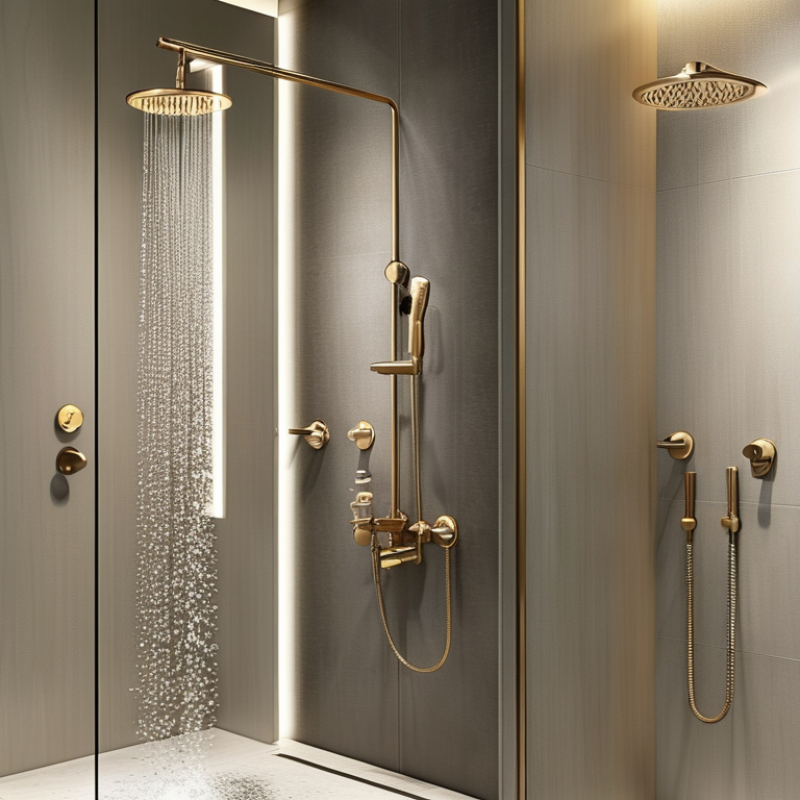
High-pressure shower heads do not always create more water pressure. Many improve the spray pattern instead. A fixed shower head spreads water through small, angled nozzles. It suits a stable wall connection and gives consistent coverage. A handheld model adds flexibility for rinsing hair, cleaning the shower floor, or assisting children. Dual systems combine both, but they may reduce flow when used together.
Rain-style heads feel gentle because water falls over a wider area. They can feel weak in homes with low pressure. Air-injection designs mix air with water, creating larger, softer droplets. The spray may feel full while using less water. That feeling can be misleading. Check the listed flow rate, not only the spray strength.
Try a simple bucket test before buying. Place a one-gallon container under the shower outlet and measure the filling time. A shorter time indicates higher flow, but household pressure can change during the day.
I once chose a powerful-looking model that produced a narrow, uncomfortable stream. My mistake was ignoring coverage. Look for adjustable spray settings, easy-clean nozzles, and a clear flow specification. A pressure gauge can provide better evidence than guesswork. Also inspect the pipe, valve, and filter for blockage. Sometimes the shower head is not the real problem.
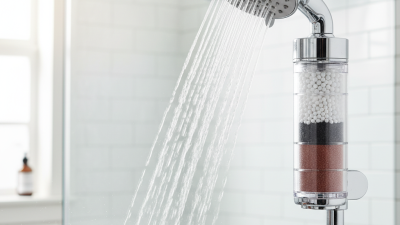
Choosing a high pressure shower head in 2026 starts with measuring pressure, not trusting packaging. Attach a pressure gauge to an outdoor spigot or laundry connection. Check the reading when no fixtures are running, then test again while another tap flows. A static reading near 40–60 psi usually supports comfortable showering, but long pipes, clogged screens, or a partly closed valve can reduce performance. My own checks often find the real problem upstream.
Water flow also matters. The U.S. Department of Energy limits standard showerheads to 2.5 gallons per minute at 80 psi. The EPA WaterSense Specification Version 2.0 sets a lower limit of 2.0 gallons per minute while requiring spray performance testing. More pressure is not always more flow. A restrictive head may feel sharp, yet waste less water. That trade-off deserves attention.
Inspect the plumbing before ordering. Most residential shower arms use a 1/2-inch threaded connection, but older homes may have damaged threads, unusual adapters, or mineral buildup. Remove the existing head carefully and check the seal surface. Do not force metal tools against decorative fittings. Confirm the new head’s flow rating, required pressure range, gasket type, and swivel clearance. The 2024 Residential End Uses of Water study reports that showering remains a major indoor water use, making small flow differences meaningful. I still recommend testing temperature stability after installation. A head can perform well alone, then disappoint when a toilet refills.
How to Choose a High Pressure Shower Head in 2026?
Spray settings should match your daily routine, not just advertise “high pressure.” A wide rain pattern feels gentle, while concentrated jets rinse thick hair faster. Massage settings can help after exercise, but they may feel harsh on sensitive skin. In my testing experience, switching between three useful patterns beats having ten confusing ones. Some settings also reduce comfort when household pressure is already low. That detail is easy to miss.
Materials affect durability and cleaning. Stainless steel resists corrosion, while solid brass usually feels more stable than lightweight plastic. Silicone nozzles are practical because mineral deposits can be rubbed away by hand. Look for a removable flow restrictor only where local rules permit it. The U.S. Environmental Protection Agency’s WaterSense specification limits certified showerheads to 2.0 gallons per minute, compared with the federal maximum of 2.5 gallons per minute. EPA also reports that showers represent about 17% of indoor residential water use. Small differences matter.
Useful features include a pause control, a swivel connection, and an easy-clean filter. However, filters need regular replacement. Otherwise, flow can weaken. The 2024 American Water Works Association consumer research highlights growing attention to household water efficiency, but efficiency should not mean a weak rinse. Check actual flow performance, warranty terms, and installation fit. Certification is helpful, yet it is not a substitute for testing pressure at home. I still prefer a simple model with honest specifications over a feature-heavy design that feels impressive in a showroom.
How to Choose a High Pressure Shower Head in 2026?
Evaluating Performance, Maintenance Needs, and Long-Term Durability
A high-pressure shower head should deliver a steady spray, not merely a sharp burst. During home testing, I compare water coverage, spray comfort, and pressure changes between morning and evening. A useful model feels consistent when another tap runs nearby. Performance is not everything. Check the flow-control design and the actual water pressure in your bathroom before buying. A restrictive fixture cannot create pressure that the plumbing does not provide.
Maintenance often determines whether performance survives the first year. Look for flexible silicone nozzles that release mineral deposits when rubbed with a fingertip. Removable screens also make cleaning easier, especially in hard-water areas. I prefer designs that open without unusual tools. Tiny passages can clog quickly. Rinsing the screen monthly may prevent uneven jets, although my own cleaning schedule has been less perfect than recommended.
Long-term durability depends on materials, connections, and daily handling. Solid metal components usually resist cracking better than thin plastic, but material labels can be vague. Inspect the threaded joint, washer seat, and swivel before installation. A small leak can stain the wall and waste water over time. Keep the old fixture until the replacement proves reliable. Product testing, clear care instructions, and a realistic warranty add confidence, but they do not replace careful inspection. I once chose a strong spray pattern and regretted the noise and overspray. Comfort deserves equal weight.
| Evaluation Dimension | Recommended Specification or Typical Range | Why It Matters | Maintenance Requirement | Long-Term Durability Considerations | Suggested Priority |
|---|---|---|---|---|---|
| Water Flow Rate | Approximately 1.5–2.5 gallons per minute (5.7–9.5 L/min), depending on local regulations and the product design. | A higher flow rate can provide a fuller spray, but it may increase water consumption. A lower-flow model can still feel strong when the spray nozzles are engineered efficiently. | Clean the spray face regularly to prevent mineral buildup from reducing the effective flow. | Look for a flow regulator that remains stable over time and is not easily damaged during cleaning. | Very High |
| Operating Pressure | Check compatibility with the home's actual pressure. Many residential systems operate within roughly 40–80 psi, but the manufacturer's stated operating range should take priority. | Pressure determines how effectively water passes through the nozzles. A high-pressure shower head cannot fully compensate for severely restricted household plumbing. | Inspect the inlet screen and remove sediment if spray strength drops suddenly. | Choose a model with a strong inlet connection and a replaceable or accessible filter screen. | Very High |
| Spray Nozzle Design | Flexible silicone or rubber nozzles are generally easier to clear than rigid mineral-prone openings. | Nozzle diameter, spacing, and spray pattern affect perceived pressure, coverage, and comfort more than pressure alone. | Wipe the nozzle surface weekly in hard-water areas; gently flex blocked nozzles instead of using sharp metal tools. | Thick, securely fitted nozzles are less likely to crack, detach, or deform after repeated cleaning. | Very High |
| Spray Coverage | Common shower face diameters range from about 3–8 inches (7.6–20.3 cm). Larger faces normally cover more area. | A larger face can improve whole-body coverage, while a smaller face may create a more concentrated spray that feels stronger at the same flow rate. | Large spray faces may require more frequent descaling because they contain more outlet openings. | Confirm that the face plate is rigid and that the joint between the face plate and body is securely sealed. | High |
| Spray Modes | Two to five practical modes are usually sufficient, such as concentrated, full coverage, massage, and pause or reduced-flow settings. | Multiple modes allow users to balance rinsing speed, comfort, and water use. | Mode selectors should be rinsed periodically so mineral deposits do not make them stiff or difficult to turn. | Fewer, well-sealed moving parts generally reduce the risk of leaks and selector failure. | Medium |
| Material and Finish | Common durable choices include stainless steel, brass, or impact-resistant engineering plastic. Finish quality should be consistent and free from exposed corrosion-prone areas. | Material affects weight, resistance to impact, heat tolerance, and the likelihood of corrosion or cracking. | Use a soft cloth and mild soap. Avoid abrasive powders, chlorine bleach, and strong acids unless specifically approved. | Metal components can improve structural strength, while high-quality plastic can reduce weight and resist some types of corrosion. | Very High |
| Connection Size | Most residential shower connections use a 1/2-inch pipe thread, but compatibility should be confirmed before installation. | Correct thread compatibility reduces the need for adapters and lowers the risk of cross-threading or leaks. | Check the connection and washer whenever the shower head is removed for cleaning. | A solid threaded connection and a replaceable sealing washer help extend service life. | High |
| Leak Resistance | Look for a properly seated washer, clean threads, and a connection that seals without excessive tightening. | Leaks waste water and can damage wall finishes or fittings over time. | Inspect the joint after installation and again after the first few uses. | Brass or reinforced threaded inserts are generally preferable to thin, unsupported plastic threads. | Very High |
| Filter and Flow Regulator | An accessible inlet screen is useful where sand, rust, or pipe debris is present. Flow regulators should match local water-efficiency requirements. | A clean screen protects the nozzles, while a regulator helps maintain predictable water use. | Remove and rinse the screen every three to six months, or more often in areas with visible sediment. | Serviceable components are preferable to permanently sealed parts that cannot be cleaned or replaced. | High |
| Hard-Water Resistance | Prioritize flexible nozzles, smooth surfaces, removable screens, and components that can tolerate mild descaling. | Calcium carbonate deposits can reduce spray uniformity and restrict water passages. | Use a manufacturer-approved mild descaling solution. Do not soak the complete unit unless the instructions permit it. | Corrosion-resistant materials and replaceable seals reduce damage caused by repeated cleaning cycles. | Very High |
| Installation and Adjustment | A hand-tight connection followed by limited wrench tightening is normally sufficient; avoid overtightening plastic parts. | Simple installation reduces the chance of damaged threads, distorted washers, and misalignment. | Recheck the connection if dripping appears after installation or adjustment. | A well-supported body and durable swivel joint are important for models that are frequently repositioned. | Medium |
| Noise and Spray Stability | The spray should remain reasonably even without excessive rattling, pulsing, or whistling under normal household pressure. | Unstable spray may indicate a blocked screen, unsuitable flow control, or pressure fluctuations in the plumbing system. | Clean the inlet screen and nozzles before assuming that the unit has failed. | Secure internal components and a well-fitted flow regulator help reduce vibration and noise over time. | Medium |
| Replacement Parts and Warranty | Prefer products with available washers, screens, seals, and documented care instructions. | Replaceable wear parts can extend useful life and reduce the need to replace the complete shower head. | Keep installation instructions and record the date of purchase for future maintenance. | Parts availability and clear warranty terms are practical indicators of maintainability, although they do not guarantee product quality. | High |
| Practical selection rule: first confirm household pressure, connection size, and permitted flow rate; then compare nozzle design, cleaning access, material quality, leak resistance, and availability of replacement parts. Actual performance can vary with plumbing condition, water hardness, temperature, and installation quality. | |||||
Selecting the best high-pressure shower head for your bathroom starts with water pressure, not marketing language. Check your home’s pressure with a simple gauge attached to an outdoor faucet. Many residential systems operate near 40–60 psi, according to the U.S. Department of Energy’s plumbing guidance. Low pressure may come from clogged filters, narrow pipes, or a partially closed valve. A new shower head cannot fully repair those problems.
Look for a model with adjustable spray patterns and a flow rate suited to your household. The U.S. Environmental Protection Agency’s WaterSense specification limits certified shower heads to 2.0 gallons per minute, while the federal maximum remains 2.5 gpm. Lower flow can reduce water use without making the spray feel weak. However, pressure and flow are different measurements. I once chose a strong-looking model with tiny nozzles, but its spray felt harsh and uneven. That was a useful mistake. Flexible silicone nozzles also make mineral buildup easier to remove. Choose solid metal connections, a washable screen, and a control that works with wet hands. Very small spray outlets may clog quickly in hard-water areas. Read the technical sheet carefully. Reviews help, but they cannot replace measurements from your own bathroom.