Top Tips for Choosing the Right Flexible Hose for Your Needs?
When selecting a flexible hose, it’s essential to understand your specific needs. A flexible hose can serve diverse applications. Whether you need it for industrial use or household tasks, the right choice matters.
Consider the materials used in the hose. Different applications require specific materials to ensure durability and flexibility. For example, rubber hoses are often used for water, while metal hoses may suit high-pressure situations. Think about the pressure and temperature limits too. Some hoses can handle extreme conditions, while others cannot.
It’s also important to look at the size and connection types. A too-short or incorrect fitting can lead to leaks. Don't overlook the importance of manufacturer reputation. A reliable brand provides assurance of quality. Choosing the right flexible hose ensures efficiency and safety in your tasks. Remember to take time to research before making a decision. A good choice today saves you trouble in the future.
Understanding the Different Types of Flexible Hoses Available
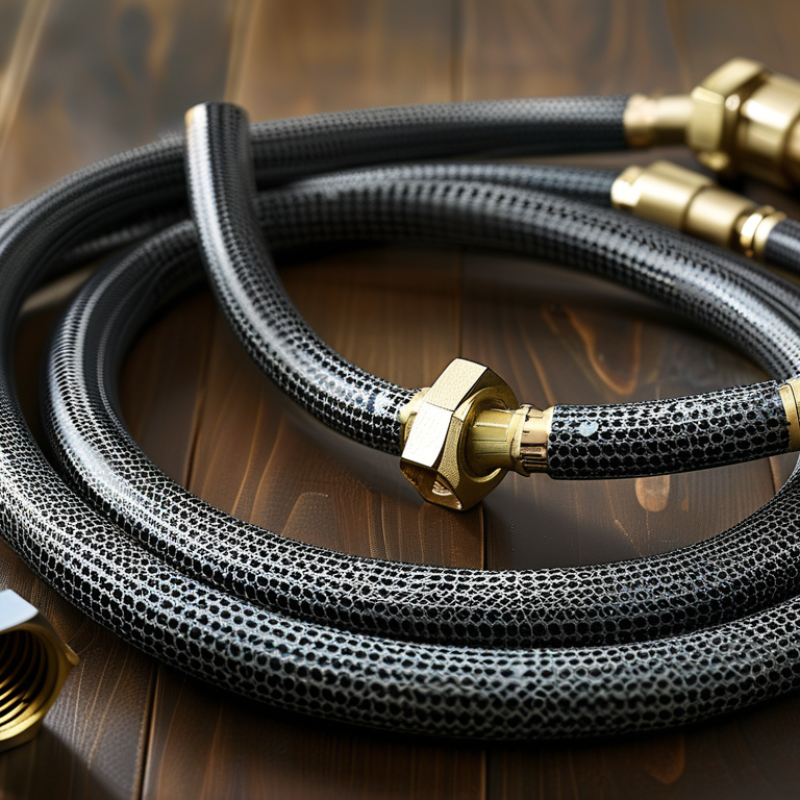
When choosing a flexible hose, understanding the types available is crucial. Flexible hoses come in various materials, including rubber, PVC, and metal. Each type has distinct characteristics, affecting its performance in different applications. For example, rubber hoses are often preferred for their durability and flexibility. They can handle high pressures, making them suitable for hydraulic applications. In contrast, PVC hoses are lightweight and resistant to corrosion, ideal for chemical handling.
According to industry reports, the global flexible hose market is projected to grow significantly. Flexible hoses are expected to witness a CAGR of around 6% from 2023 to 2028. This growth highlights the importance of selection. Buyers must consider factors like temperature, pressure ratings, and compatibility with fluids. A mismatch in material can lead to failures, resulting in downtime and safety risks.
Consider the design of the flexible hose. Options include braided, smooth bore, and convoluted designs. Each design caters to specific flow requirements and scenarios. For example, convoluted hoses are excellent for low-pressure applications due to their ability to accommodate bending. Understanding these details is essential to making an informed decision. Adjustments in selection criteria might be needed as technology evolves and new materials emerge.
Top Tips for Choosing the Right Flexible Hose for Your Needs
| Hose Type |
Material |
Max Pressure (psi) |
Temperature Range (°F) |
Applications |
| Rubber Hose |
Synthetic Rubber |
100 |
-40 to 190 |
Water, Air, Oil |
| PVC Hose |
Polyvinyl Chloride |
150 |
-10 to 140 |
Drinking Water, General Purpose |
| Stainless Steel Braided Hose |
Stainless Steel & PTFE |
300 |
-65 to 450 |
Chemical Transfer, High-Pressure Applications |
| Silicone Hose |
Silicone Rubber |
50 |
-100 to 500 |
Automotive, Food Processing |
| Polyurethane Hose |
Polyurethane |
200 |
-40 to 180 |
Air, Water, Abrasive Materials |
Assessing Material Compatibility for Your Specific Applications
When selecting a flexible hose, material compatibility is critical for performance and longevity. Different applications demand specific materials, influencing factors such as temperature, pressure, and the nature of the fluid. For instance, rubber hoses are versatile, yet may degrade under harsh chemicals. In contrast, PTFE hoses excel in chemical resistance but can be costlier. According to industry reports, nearly 35% of hose failures result from material incompatibility, emphasizing the importance of proper selection.
Evaluating the environment where the hose will operate is also vital. For high-temperature applications, silicone may be ideal. For environments prone to abrasion, reinforced materials can provide added durability. Data from the Hose Manufacturers Association indicates that incorrect material selection can shorten hose life by up to 50%. Observing manufacturer guidelines on compatibility is essential but often overlooked.
It's crucial to engage in thorough research and possibly consult with industry experts. Sometimes, trial and error can reveal unexpected results. Mistakes in hose material choice can lead to significant costs and operational downtime. Awareness and attention to detail can mitigate these risks, ensuring the hose meets specific application needs effectively.
Evaluating Pressure and Temperature Ratings for Safety and Efficiency
When selecting a flexible hose, evaluating pressure and temperature ratings is crucial. These ratings determine how well the hose performs under specific conditions. A hose with insufficient ratings can fail, leading to leaks or catastrophic events. Always consider the maximum pressure required for your application. Choose a hose that exceeds this requirement for safety.
Temperature is another important factor. Different materials withstand various temperatures. High temperatures can weaken certain hoses, while low temperatures might make them brittle. It is essential to match your hose material with your operating environment. While it may seem convenient to choose a standard option, it may not always be the best fit for your needs.
While understanding these ratings, you might encounter confusing specifications. Documenting your exact requirements helps clarify your choice. Reflect on past experiences with hoses that didn't meet your needs. They can guide you to make more informed decisions in the future. Ultimately, the right flexible hose can enhance safety and improve efficiency in your operations.
Considering Length and Diameter Specifications for Optimal Performance
When selecting a flexible hose, length and diameter are crucial. The right length prevents kinks and enhances flow efficiency. A hose too long may create unnecessary pressure drops. Conversely, a short hose might not reach your intended destination. Always measure the distance between your equipment carefully.
Diameter significantly affects performance. A wider diameter allows for higher flow rates, ideal for water transfer or high-pressure applications. However, larger hoses can be cumbersome and harder to manage. On the other hand, narrower hoses can restrict flow, which may lead to overheating in certain situations.
Remember, it’s important to find a balance. The ideal hose isn’t the longest or the widest; it meets your specific needs. Reflect on your application’s demands. Seek professional advice if necessary, especially for unique situations. This process may take time, but it’s worthwhile for optimal performance.
Reviewing Installation and Maintenance Requirements for Longevity
When selecting a flexible hose, installation and maintenance play critical roles in its longevity. Proper installation involves securely connecting the hose to avoid leaks. It is vital to choose the right fittings to match both the hose and the equipment. Misalignment can lead to wear and tear. Additionally, ensure that the hose is not kinked or pinched during installation. This can significantly shorten its lifespan.
Regular maintenance is just as important. Periodically inspect the hose for signs of wear, such as cracks or discoloration. Pay attention to connections for leaks. Simple visual checks can prevent more significant issues later. In some cases, users overlook the need for cleaning, which can lead to blockages. Keeping the hose clean and free from debris will enhance durability.
Sometimes, despite best efforts, hoses may fail. If a hose bursts or leaks, it can disrupt operations. Reflecting on this, consider having spare hoses available. Being proactive can save time and resources. After all, proper care and consideration lead to better performance and increased longevity.
Top Tips for Choosing the Right Flexible Hose