An Ion Shower Head promises more than a different-looking fixture. Its small mineral beads and layered filter media may appeal to anyone noticing chlorine odor, dry-feeling skin, or mineral spots on glass. But “ion” is not a guarantee of a specific result. Performance depends on the device, water chemistry, and tested contaminant. The NSF/ANSI 177 standard evaluates shower filters for reducing free available chlorine; it does not certify every health or beauty claim made in product advertising. That distinction matters when comparing glossy product pages with verifiable test results.
The U.S. Geological Survey’s report on water use and quality explains why local conditions matter: mineral content and water characteristics vary by source and location. Check your utility’s water-quality report, then look for independent certification and published test data before choosing an Ion Shower Head. Small print counts. Replaceable cartridges also need a stated service life and clear replacement guidance. These details can make the difference between a useful shower upgrade and an expensive experiment.
A verified quotation from a named Ion Shower Head specialist was not provided, so I won’t invent one. A sound expert principle is simple: match the filter claim to the contaminant it has actually been tested to reduce. That may feel less exciting than promises of dramatic transformation. Still, careful evidence is worth more than a bathroom marketing claim.
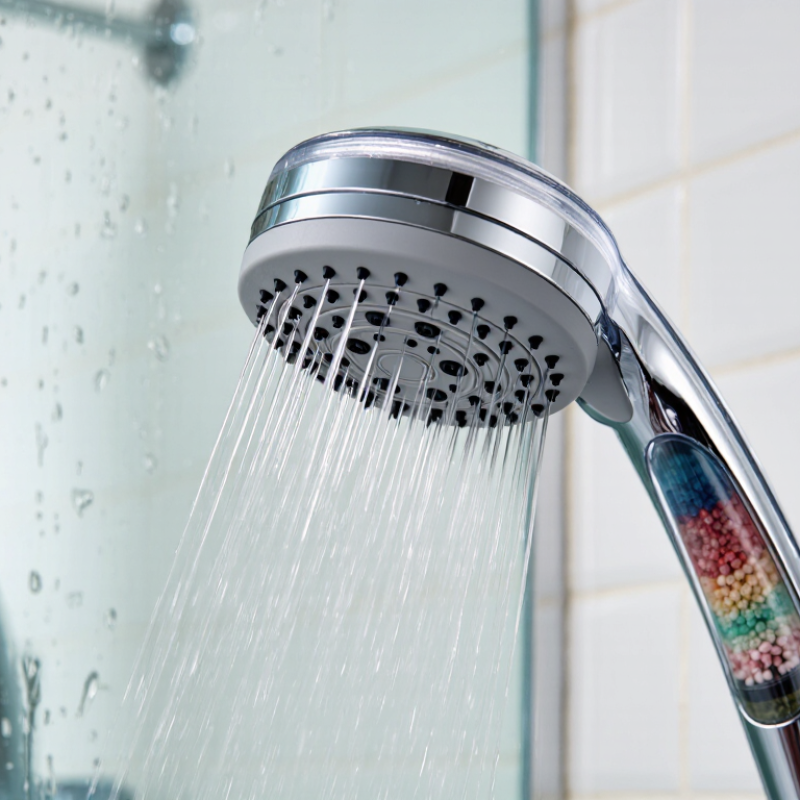
Ion shower heads often contain mineral or ceramic beads inside a small cartridge. Water flows around them before reaching the spray plate. Some products claim these beads release ions that improve water quality or benefit skin and hair. The word “ion” is easy to overread. The effect depends on the materials, contact time, and water chemistry, and claims may not be backed by independent testing. A bead-filled cartridge is not automatically a proven filter.
Tips: Check what the cartridge is designed to reduce, such as chlorine or sediment. Look for independent test results that name the specific substance and conditions tested. Replace cartridges on schedule; a clogged insert can reduce spray flow. Keep the packaging details.
A shower filter and a water softener do different jobs. Many compact shower units may reduce certain substances, but they should not be assumed to remove every contaminant or change hard water. If you have sensitive skin, a simpler shower head may still be more comfortable because spray pattern and temperature matter too. Claims about ion release deserve careful reading, not instant trust. I would compare test evidence, replacement costs, and ordinary shower performance before choosing one.
Flow rate matters more than a showerhead’s claims about special beads. EPA WaterSense-labeled showerheads are certified to use no more than 2.0 gallons per minute at a set test pressure. That is below the federal maximum of 2.5 GPM for standard showerheads in the United States. An ion-style model may still use more or less water, depending on its design. Check its stated flow rate rather than assuming the word “ion” means water savings. Pressure changes everything.
Tips: Look for the flow rate in GPM on the product label or instructions. If possible, compare models at the same pressure. A simple bucket test can help: time how long the shower takes to fill a marked container, then calculate the rate. Results may vary with household pressure.
A lower flow rate can reduce water use, but comfort depends on spray pattern and plumbing, too. Picture rinsing shampoo from thick hair: a narrow, forceful spray may feel different from a wide, gentle one. WaterSense certification offers a useful performance benchmark, not a guarantee that every person will prefer the spray. Ionizing materials may interest some shoppers, but don’t treat them as proof of better water quality or lower bills. I’d compare the flow rating, spray feel, and care instructions before choosing.
NSF/ANSI 177 sets a specific, limited benchmark for shower filters. NSF describes its scope as testing reduction of free available chlorine, alongside material safety and structural integrity requirements. It does not certify every claim made about an ion shower head. A test result applies to the model and conditions evaluated, not automatically to every product that uses similar materials.
A narrow claim.
The U.S. Environmental Protection Agency’s National Primary Drinking Water Regulations list a maximum residual disinfectant level of 4.0 mg/L for chlorine. That public-water limit is not NSF/ANSI 177’s pass mark.
The distinction matters: certification for chlorine reduction does not prove removal of lead, bacteria, or all dissolved minerals. Check the exact certification listing, stated flow rate, and filter replacement interval before comparing products.
One detail is easy to overlook: a filter’s performance may change as its media is used. The NSF standard and EPA regulations describe different things, so reading both helps keep claims in perspective.
Hard water contains dissolved minerals, mainly calcium and magnesium. A white ring on the shower screen or soap that rinses slowly can hint at mineral buildup, but neither proves your water’s hardness. Check a local water-quality report or use a home test kit. Test strips are convenient, though readings can vary.
An ion shower head may change how water feels, but “ion” does not automatically mean softened water. Many shower attachments cannot remove much calcium or magnesium unless they use a suitable treatment medium with enough capacity. Check the product’s tested performance and replacement schedule. A quick test before and after installation can reveal whether hardness actually changed. Small differences matter.
Hard water may leave mineral residue on skin and hair, and some people find that uncomfortable. Yet skin dryness has many causes, including hot showers, harsh cleansers, and cold weather. One person’s improvement is not proof that a shower head caused it. Not a cure. If your skin feels tight, try a shorter, cooler shower and a fragrance-free moisturizer, then observe what changes. I’d also question dramatic claims that promise softer skin for everyone; measured water quality and individual response deserve more weight than appealing wording.
An ion showerhead may appeal to people who want a different spray feel, but its ion media does not automatically improve water quality or reduce water use. In the United States, the federal benchmark for showerhead flow is 2.5 gallons per minute (GPM) under specified test conditions; local requirements may differ. Check the stated flow rate before buying, and compare it with your household’s water pressure. A compliant rating does not guarantee the same flow in every bathroom.
Maintenance affects performance, too. Mineral buildup can clog small spray openings and make the stream uneven. Rinse the screen and clean the head as directed by its instructions. Avoid harsh cleaners unless the manufacturer says they are safe. It is tempting to blame a weak spray on the showerhead alone, but low pressure or a clogged pipe may also be involved.
Tips: Use a bucket and timer to estimate your installed flow: collect water for one minute and measure it. Results can vary with pressure, so treat this as a rough check. Clear visible deposits gently, and inspect the inlet screen if flow drops. Don’t force it.