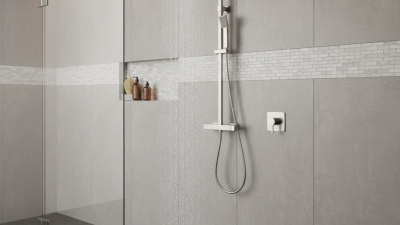
Choosing the right Bathroom Shower in 2026 requires more than comparing attractive photographs. Global buyers must examine water pressure, climate, installation standards, maintenance access, and household habits. A rain shower may feel luxurious in a high-pressure system, yet perform poorly in an upper-floor apartment. A handheld model offers practical control, especially for children, older users, and compact bathrooms. Thermostatic showers add temperature stability, while digital systems provide precise controls but may require specialist installation.
Bathroom designer Richard T. Anuszkiewicz says, “Good bathroom design should make everyday routines feel effortless, not complicated.” That principle matters when comparing shower types across international markets. Low-flow models can reduce water use, but their comfort depends on pressure, spray engineering, and user expectations. Concealed showers create a clean appearance, although repairs may become difficult if access panels are missing. Small details matter.
This guide evaluates the best shower formats for global buyers in 2026. It considers comfort, durability, water efficiency, safety, replacement parts, and installation complexity. Product certifications also deserve attention because requirements differ between countries and regions. A fitting designed for one plumbing system may not connect safely to another. Do not trust appearance alone. Check the cartridge, hose connections, warranty terms, and after-sales support.
Some recommendations remain imperfect. Technology changes quickly. Local water quality can also challenge even well-designed products. Still, careful buyers can avoid expensive mistakes by matching the Bathroom Shower to real household conditions, not temporary design trends. The best choice is rarely the most dramatic one. It is the shower that remains comfortable, serviceable, and dependable after years of daily use.
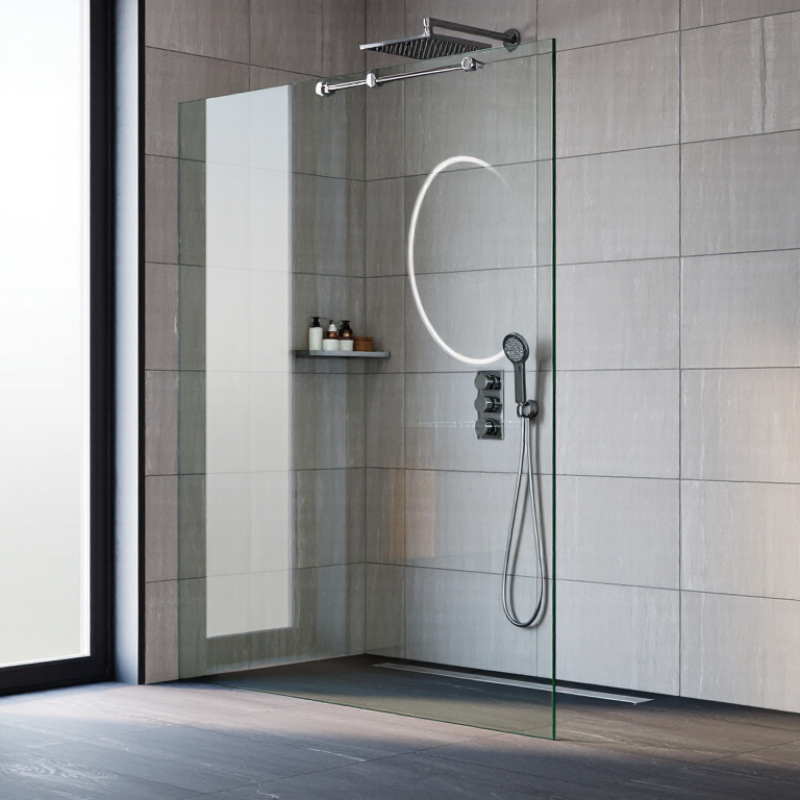
In 2026, bathroom showers mainly fall into electric, mixer, thermostatic, digital, and pressure-balanced types. Each design solves a different household problem. Electric showers heat cold water internally, making them useful where hot-water supply is limited. However, their flow may feel modest during winter use. Mixer showers combine hot and cold supplies through one valve. They are simple, familiar, and often easier to maintain.
Thermostatic showers automatically control temperature changes when another tap opens. This feature improves comfort for families and older users. Pressure-balanced models reduce sudden temperature swings, but they cannot fix weak water pressure. Digital showers offer electronic control, remote starting, and saved temperature settings. Their convenience is appealing, although installation can require professional wiring and careful waterproofing. I have seen attractive controls fail when installers ignored access for future repairs.
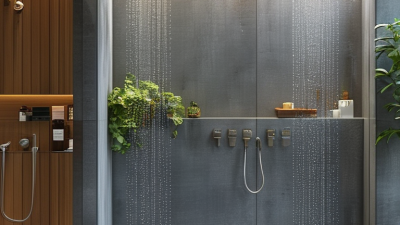
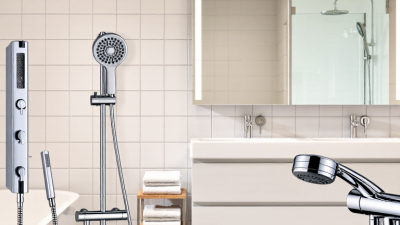
Rainfall showers create a wide, gentle stream, while handheld showers provide better rinsing and cleaning flexibility. Many 2026 bathrooms combine both outlets. This combination works well for children, pets, and users with limited mobility. Low-flow heads can reduce water consumption, but overly restricted flow feels disappointing. That trade-off deserves honest testing.
For global buyers, the best choice depends on water pressure, heater capacity, local electrical rules, and user habits. A qualified installer should verify pipe routes, grounding, temperature limits, and maintenance access before purchase. Product labels can sound impressive. Real bathroom conditions matter more.
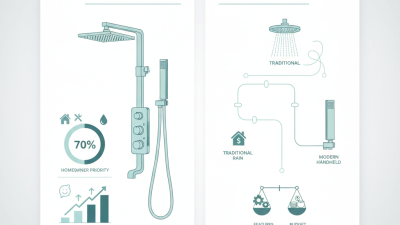
A shower system is more than a showerhead. It is a water-control network. A mixer valve combines hot and cold water, then sends the flow through an overhead head, hand shower, or body jets. Pressure changes can affect temperature. That matters in homes with several bathrooms or unstable supply lines.
A thermostatic system uses a temperature-sensitive valve. It adjusts the hot-water balance when another tap opens. This creates steadier comfort, although installation costs and maintenance can be higher. An electric shower heats cold water near the outlet. It can work without a central hot-water tank, but its performance depends on electrical capacity and inlet flow. Digital controls add precise presets, yet they also introduce more electronic parts. Simple can be safer. Not always better.
The U.S. Environmental Protection Agency reports that efficient showerheads use no more than 2.0 gallons per minute, compared with the 2.5-gallon federal maximum. The 2024 U.S. Houzz Bathroom Trends Study also shows strong interest in upgraded showers and improved bathroom functionality. These figures support efficiency, but user experience still depends on pressure, pipe size, and local water quality.
Tips: Check the incoming pressure before choosing body jets. Confirm electrical standards for electric models. Ask for replacement cartridges and cleaning instructions. In hard-water areas, inspect spray nozzles often. A beautiful system may disappoint if the pipework is undersized. That is an easy mistake.
Choosing a shower type starts with the bathroom’s shape, not a trend. In a narrow room, a corner enclosure can preserve a clear walking path beside the toilet. Sliding doors need less swing space than hinged doors, but their tracks require regular cleaning. I have seen poorly measured frames steal several centimeters from an already tight entry. That small error feels large. For compact layouts, a 900-by-900-millimeter square shower often offers a practical balance, though local standards differ.
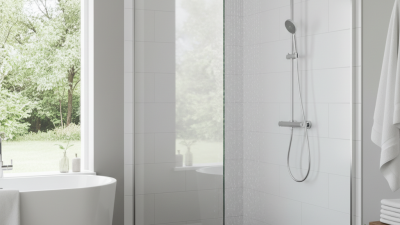
A linear bathroom may suit a walk-in shower along the longest wall. A fixed glass panel can keep the floor visually open, while a low threshold improves access. However, open designs can send water toward towels, cabinets, or the doorway.
A larger bathroom can support a rectangular enclosure with a bench, handheld shower, and separate controls. Place controls near the entrance, so users avoid stepping under cold water. This detail is easy to miss. A ceiling-mounted shower can feel generous, but it may require stronger overhead plumbing and careful waterproofing.
For family bathrooms, a tub-shower combination may serve children and bathing needs, although it can be harder to enter. Curbless showers suit accessible planning, yet they demand precise floor gradients, waterproof membranes, and a properly positioned drain. A qualified installer should check these details against local building and accessibility rules. Measurements should include door clearance, ventilation, storage, and future mobility needs. I would recheck every measurement before ordering glass. Small assumptions often become expensive changes.
Global buyers should compare shower materials before choosing visual style. The right specification depends on water quality, climate, installation skills, and local standards. Stainless steel 304 offers strong corrosion resistance for ordinary bathrooms. Stainless steel 316 performs better near coastal air, but costs more. Brass remains practical for valves and connectors when its plating is properly protected. Avoid judging quality by weight alone.
Glass deserves equal attention. Tempered safety glass is essential for shower enclosures, while laminated glass can reduce shattering risks. Check thickness, edge finishing, seals, and replacement access. ISO 9227 salt-spray testing can help assess corrosion resistance, although laboratory results cannot fully copy a humid bathroom. The World Health Organization’s Guidelines for Drinking-water Quality also remind buyers that source-water chemistry affects material durability. Hard water may leave scale on nozzles and valves.
Tips: Compare flow rate, not only spray patterns. The U.S. EPA WaterSense specification allows certified showerheads up to 2.0 gallons per minute, compared with the 2.5-gallon federal standard. This can reduce water use without making pressure feel weak, if the plumbing is suitable. Look for thermostatic temperature control, anti-scald protection, easy-clean nozzles, and replaceable cartridges. The 2024 UN World Water Development Report highlights growing pressure on freshwater resources, making efficient performance increasingly relevant. A common mistake is trusting one test figure. Real performance can change with pressure, sediment, and maintenance. Test locally when possible.
| Shower Type | Typical Materials | Main Features | Typical Water-Use Profile | Installation Complexity | Maintenance Level | Best For | Key Buying Checks for Global Markets |
|---|---|---|---|---|---|---|---|
| Handheld Shower Flexible | ABS or stainless-steel handset, silicone spray nozzles, flexible hose, wall bracket. | Adjustable height, targeted spray, easy rinsing, useful for seated showering and cleaning the enclosure. | Common flow range: approximately 6–9 L/min, depending on the spray head and local flow-limit requirements. | Low to Medium | Low | Family bathrooms, accessible bathrooms, compact spaces, and homes needing flexible use. | Check hose length, thread standard, anti-twist design, replacement parts, spray-pattern control, and compatibility with local water pressure. |
| Fixed Wall-Mounted Shower Simple | Brass or stainless-steel shower arm, stainless steel or plated brass shower head, silicone nozzles. | Clean appearance, fixed spray direction, simple operation, and low number of moving components. | Common flow range: approximately 6–9 L/min for water-efficient residential models; unrestricted models may use more. | Low | Low | Standard residential bathrooms, apartments, hotels, and budget-conscious projects. | Verify wall outlet position, connection size, spray coverage, corrosion resistance, and whether the product complies with the destination country's water-efficiency rules. |
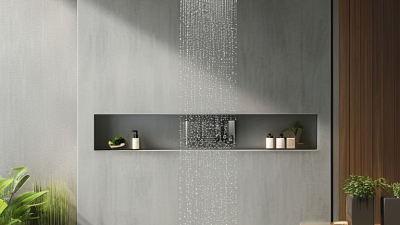
| Rainfall or Overhead Shower Comfort | Stainless steel, brass, or engineered polymer body with silicone nozzles. | Wide overhead spray, spa-style experience, low-profile designs, and optional ceiling or wall mounting. | Often approximately 7–12 L/min; larger heads can require higher flow and adequate water pressure. | Medium | Low to Medium | Large shower areas, premium residential bathrooms, and hospitality projects with stable water pressure. | Compare head diameter, minimum operating pressure, drainage capacity, mounting support, limescale resistance, and cleaning access. |
| Dual Shower System Versatile | Brass or stainless-steel valve components, metal or reinforced polymer rail, handheld and fixed shower outlets. | Combines overhead or fixed spray with a handheld unit; may include a diverter, sliding rail, and multiple spray settings. | Usually approximately 6–10 L/min when one outlet is used; simultaneous operation can increase total demand. | Medium | Medium | Shared bathrooms, family homes, accessible bathrooms, and buyers wanting one flexible system. | Confirm diverter quality, outlet control, anti-scald protection, hose routing, cartridge availability, and whether both outlets can run simultaneously. |
| Thermostatic Shower System Temperature Control | Brass or stainless-steel valve body, thermostatic cartridge, metal or reinforced polymer trim, silicone nozzles. | Maintains selected temperature, often includes a safety stop near 38°C, and responds to pressure or temperature changes. | Common flow range: approximately 6–10 L/min, depending on outlets, pressure, and flow regulators. | Medium | Medium | Families, older users, hotels, and markets where scald protection is a priority. | Check temperature accuracy, maximum-temperature limiter, cartridge serviceability, hot-and-cold inlet configuration, and compliance with local safety standards. |
| Electric Shower On-Demand Heating | Heat-resistant engineering polymer housing, electric heating element, thermostatic controls, and safety cut-outs. | Heats water at the point of use, can operate without a central hot-water cylinder, and usually includes power and temperature controls. | Flow is commonly lower than mixer systems and depends strongly on electrical power, incoming water temperature, and selected temperature. | Medium to High | Medium | Homes with limited hot-water storage, suitable electrical infrastructure, or intermittent hot-water demand. | Verify voltage and frequency, electrical load, circuit protection, grounding, IP rating, qualified installation requirements, and local electrical regulations. |
| Digital or Smart Shower Connected | Brass or stainless-steel plumbing components, electronic controls, sealed display modules, and polymer or glass interfaces. | Digital temperature control, presets, remote controls, timers, user profiles, and in some systems water-use monitoring. | Flow commonly falls within approximately 6–10 L/min, but connected controls do not automatically reduce water use without a flow-management feature. | Medium to High | Medium | Premium homes, accessible bathrooms, smart-building projects, and hospitality applications. | Check power-failure behavior, waterproofing, software support, connectivity requirements, data privacy, replacement controls, and local service capability. |
| Low-Flow Water-Saving Shower Efficiency | Chrome-plated brass, stainless steel, ABS, or engineered polymer with flow regulators and silicone nozzles. | Flow restrictor or aeration technology, pressure-compensating design, easy-clean nozzles, and multiple spray patterns. | Often designed around approximately 5–7.5 L/min, although exact limits vary by country and certification program. | Low | Low | Water-stressed regions, sustainability-focused developments, hotels, and households seeking lower utility consumption. | Compare measured flow at different pressures, spray comfort, pressure-compensation performance, filter cleaning, and recognized local water-efficiency labeling. |
| Accessible Shower Package Universal Design | Stainless steel or brass grab bars, handheld shower, reinforced seat materials, slip-resistant surfaces, and thermostatic controls. | Handheld control, adjustable rail, low-threshold or level-access layout, grab bars, seating, and anti-scald protection. | Common shower-head flow range: approximately 6–9 L/min, subject to the selected outlet and local regulations. | Medium | Medium | Older adults, users with limited mobility, healthcare environments, and multigenerational homes. | Assess structural fixing, clear floor space, slip resistance, seat load rating, grab-bar strength, thermostatic safety, drainage, and local accessibility codes. |
2026 Best Bathroom Shower Types for Global Buyers?
Climate should guide the shower before appearance. In humid coastal areas, buyers need corrosion-resistant metal and sealed connections. Hard-water regions require easy-clean nozzles and accessible filters. In cold climates, thermostatic control can reduce sudden temperature changes. A low-flow head is not automatically comfortable. Poor pressure can make a careful purchase frustrating.
Budget decisions should include installation and operating costs. The U.S. Environmental Protection Agency’s WaterSense specification limits showerheads to 2.0 gallons per minute, compared with the older 2.5-gallon federal standard. Its research estimates that an average household can save about 2,700 gallons of water yearly after replacing inefficient showerheads. Energy savings also matter where water heating is expensive. However, a cheaper fitting may need earlier replacement. That risk is easy to overlook.
Standards vary by destination. Buyers should check local requirements, including flow limits, backflow protection, pressure ratings, and thermostatic safety rules. European projects may reference EN 1112, while North American installations often use ASME A112.18.1/CSA B125.1 requirements. Certification documents should match the exact model, not merely the supplier’s general claims. Ask for test reports. Keep them.
A practical comparison should record water pressure, inlet size, temperature range, warranty terms, and spare-part access. The choice may still be imperfect. Yet climate, budget, and compliance together provide stronger evidence than showroom appearance.
How can buyers choose a shower for climate, budget, and local standards?
Scores are comparative ratings from 1 to 5 based on typical product characteristics. Hand showers and pressure-balancing mixers generally offer lower entry costs, while electric showers can work where a central hot-water system is unavailable. Thermostatic mixers provide strong temperature stability but may require more careful installation. Buyers should verify local water-pressure, electrical, anti-scald, water-efficiency, and plumbing requirements before purchase.