What Is a Plastic Shower Head and Is It Safe?
A Plastic Shower Head is a common fixture in homes, hotels, rentals, and temporary housing. It can feel lightweight, affordable, and surprisingly durable. Yet many people wonder whether hot water, plastic materials, or long-term use could create health concerns. The answer is not perfectly simple.
Safety depends on the plastic type, manufacturing quality, water temperature, and maintenance. Reputable products may use materials designed for warm water and regular bathroom exposure. Look for clear manufacturer information, recognized safety testing, and instructions that explain temperature limits. Avoid products with a strong chemical smell, cracked surfaces, loose fittings, or unclear labeling. Small details matter.
In practical use, inspect the shower head during cleaning. Mineral buildup can hide damage around the spray plate or connection. A soft brush and suitable household cleaner may help, but harsh chemicals can weaken some plastics. Follow the manufacturer’s guidance. Do not assume every plastic product performs the same way. That assumption is a mistake.
Public health guidance generally focuses on reducing microbial growth, preventing burns, and using products made for their intended purpose. Regular flushing, sensible water temperatures, and timely replacement can support safer use. However, material claims should come from reliable manufacturers or independent testing, not vague online advertising. This article examines what a Plastic Shower Head is, how it is made, and which practical signs can help you judge its safety with greater confidence.
What Is a Plastic Shower Head?
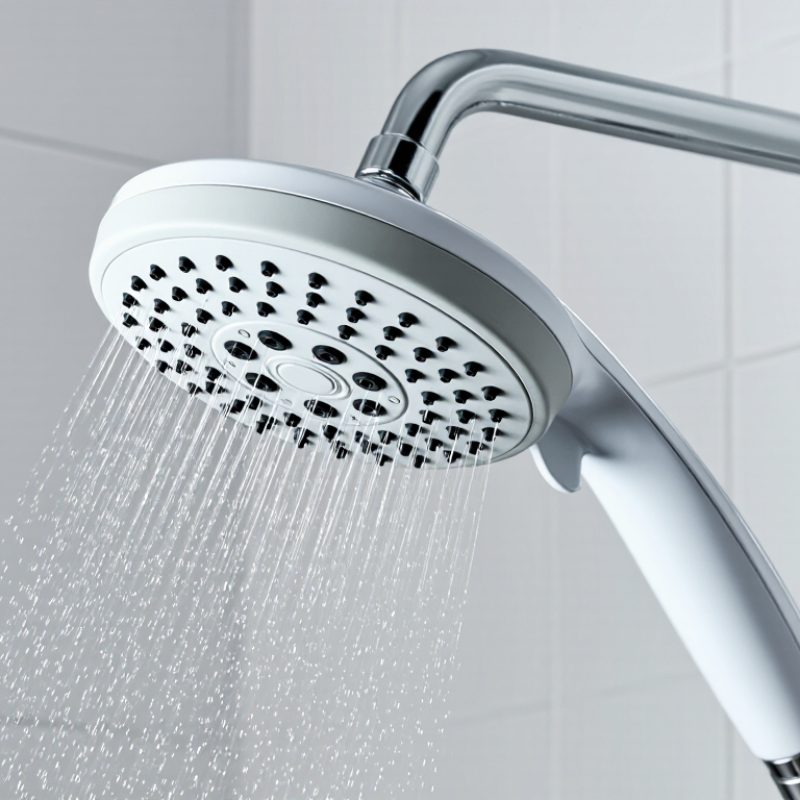
A plastic shower head is a shower outlet whose outer body, faceplate, or internal parts are made partly or mostly from plastic. The term does not describe one specific material. Some models use ABS plastic, while others combine plastic components with metal fittings or a flexible hose. You can often spot the material by its lighter feel, molded seams, or a product label, though appearance alone is not a reliable test.
It directs water through small openings called nozzles. Inside, channels guide water from the pipe to the spray plate, where the flow breaks into separate streams. Some designs include a removable faceplate, a swivel joint, or a filter compartment. Practical details matter: check the connection size, the maker’s material information, and whether the head is designed for hot-water use. “Plastic” does not automatically mean unsafe, but the word alone cannot confirm product quality. Water temperature, material composition, and wear all matter. A cracked housing or loose joint may leak, even if the head looks clean. Small signs count. I would not judge safety by color or price alone; product specifications are more useful, and unclear labeling leaves room for doubt.
What Is a Plastic Shower Head and Is It Safe? - What Is a Plastic Shower Head?
| Topic |
Key Information |
Practical Consideration |
| What it is |
A shower head with a body, spray plate, or other components made partly or mostly from plastic. Common plastics include ABS and polypropylene; some models also contain metal parts. |
Check the product specifications to see which parts are plastic and which are metal. Appearance alone may not identify the material. |
| Typical advantages |
Plastic models are often lightweight, easy to handle, and less prone to visible corrosion than untreated steel or iron. |
Weight and corrosion resistance vary by design, finish, and the materials used in the fittings. |
| Durability |
Plastic can wear, crack, or become discolored over time, particularly with impact, harsh cleaners, or prolonged exposure to heat and sunlight. |
Follow the manufacturer's cleaning and installation instructions, and avoid overtightening threaded connections. |
| Heat and water use |
Shower heads are intended for hot and cold water within their stated operating limits. Heat tolerance depends on the specific plastic and product construction. |
Use the product within its stated temperature and pressure limits; do not assume all plastic shower heads have identical limits. |
| Is it safe? |
A plastic shower head can be suitable for ordinary household use when it is designed for plumbing applications, installed correctly, and maintained properly. |
Choose a product that complies with applicable local plumbing requirements. Contact the manufacturer if material or compliance details are unclear. |
| Water quality |
The shower head's material does not, by itself, determine overall water safety. Water quality can also depend on the supply, plumbing, and buildup inside the fixture. |
Clean the shower head regularly and follow local public-health guidance if there are concerns about household water quality. |
| Cleaning and upkeep |
Mineral deposits can build up around spray holes in both plastic and metal shower heads. Abrasive tools and strong chemicals may damage some plastic finishes. |
Use a soft cloth and a cleaner approved for the product. Follow the manufacturer's instructions before soaking or descaling it. |
| When to replace it |
Cracks, leaks that persist after checking the connection, damaged threads, or blocked spray openings that cannot be cleaned may indicate that replacement is needed. |
Inspect the fixture periodically and replace it if damage affects its secure installation or normal operation. |
How Plastic Shower Heads Are Made and Designed
A plastic shower head usually begins as small pellets of ABS, polypropylene, or another heat-resistant polymer. Manufacturers dry the material, then melt and inject it into a metal mold. The mold creates the handle, spray plate, internal channels, and connection threads. Cooling must be controlled carefully. Uneven cooling can cause warping or weak seams.
Designers often combine several materials for comfort and performance. A rigid plastic body keeps the unit light, while silicone nozzles remain flexible around the spray openings. Small rubber seals help prevent leaks. Some models include a flow regulator, which controls water use through a narrow internal passage. A thin decorative finish may imitate metal, but it does not make the structure metallic.
Practical inspection matters. I check the thread alignment, seam quality, and nozzle flexibility before installation. Sharp edges, strong chemical odors, or loose parts deserve attention. Heat, minerals, and repeated twisting can gradually stress plastic components. The design is not flawless. A lighter body may feel less durable, even when it works correctly. Plastic also varies widely in quality, so material names alone do not prove safety. Look for clear care instructions and relevant product testing information. Avoid exposing the shower head to unsuitable cleaners, because harsh chemicals may damage seals or surface coatings. Temperature resistance should be stated by the manufacturer, not guessed from appearance.
Common Types and Features of Plastic Shower Heads
A plastic shower head uses polymers for its outer body, spray plate, or internal parts. Common materials include ABS, polycarbonate, and reinforced nylon. They are light, corrosion-resistant, and often easier to install than metal models. I once assumed all plastic shower heads were cheap. That assumption was too simple. Some feel solid, while others flex around the connection.
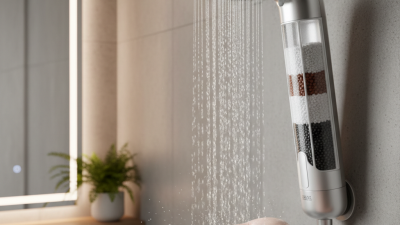
Fixed shower heads attach directly to the wall pipe. They usually offer a simple spray pattern and fewer moving parts. Handheld models connect through a flexible hose and help with bathing children, pets, or hard-to-reach areas. Dual designs combine a fixed head with a handheld sprayer. Rain-style heads use wider spray plates for a softer, broader flow. Some models include massage settings, pause controls, rubber nozzles, or small filter cartridges. Filters may reduce certain sediments, but they cannot solve every water-quality problem. Not always. Check the threads carefully. Plastic threads can crack when overtightened.
Safety depends on material quality, temperature control, and maintenance. Look for clear material information and independent safety testing where available. Choose heat-resistant components, especially near the water inlet. A strong chemical smell is not a reliable safety test, but it deserves attention. Rinse a new head before use, clean the nozzles regularly, and replace damaged parts. Plastic can age faster under heat, pressure, and cleaning chemicals. I still think appearance can mislead. A sturdy-looking head may have weak internal fittings.
Are Plastic Shower Heads Safe for Daily Use?
Plastic shower heads are generally suitable for daily use when made for bathroom plumbing and used as directed. The word “plastic” covers many materials, so quality and heat tolerance matter. Choose a head labeled for plumbing use, and check its care instructions. A loose joint, cracked nozzle, or persistent plastic odor is a reason to stop and inspect it. Not glamorous, but worth doing.
Material safety is only part of the picture. Showerheads can collect mineral scale and biofilm, regardless of whether they are plastic or metal. The US Centers for Disease Control and Prevention notes that Legionella bacteria can grow in building water systems, including showerheads. Clean deposits as the manufacturer recommends, and replace damaged parts. For products that claim drinking-water-contact compliance, NSF/ANSI/CAN 61 sets health-effects requirements for materials in contact with drinking water; it is not a promise that every showerhead is certified or risk-free. The World Health Organization’s 2019 review of microplastics in drinking water found no evidence of a clear health concern at the time, while stressing that evidence was limited. That review was about drinking water, not specifically shower exposure. So, avoid assuming either that plastic is automatically unsafe or that every product has been thoroughly tested. Check the actual product documentation.
Care, Maintenance, and Replacement Guidelines
A plastic shower head can be practical, lightweight, and less likely to dent than metal. Its safety depends on the materials, water conditions, and how well it is maintained. Choose a head intended for bathroom use, and follow its care instructions. Plastic can discolor or become brittle over time, especially with heat, harsh cleaners, or repeated impact. Check the spray face and joints for cracks, loose fittings, or unusual odors. Replace a damaged unit rather than trying to seal a crack.
Care is simple, but easy to put off. Wipe the exterior with a soft cloth and mild soap; abrasive pads can scratch the finish. If mineral deposits clog the nozzles, soak the removable head in a suitable descaling solution, following the product directions. Rinse it thoroughly before reinstalling. Avoid mixing cleaning products, and do not use boiling water unless the manufacturer specifically permits it. After cleaning, run the shower briefly and check for leaks around the connection. A small drip can become an annoying surprise.
Tips: Inspect the head every few months, and clean it when spray patterns weaken or become uneven. Replace it if you see cracks, persistent leaks, damaged threads, or deposits that will not come off. There is no universal replacement interval; water hardness and use vary. I sometimes miss a routine check, too, so tying it to another bathroom task can help. Keep the installation snug, not overtightened, because excessive force may damage plastic threads.