How to Choose the Best Shower Filter Head for Clean Water?
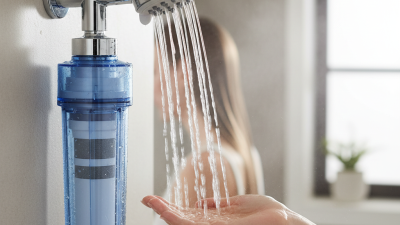
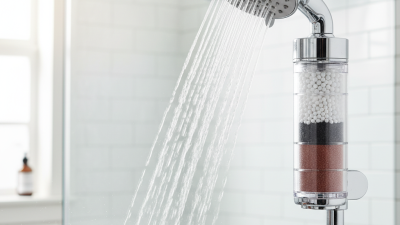
When it comes to enhancing your shower experience, choosing the right Shower Filter Head is essential. Renowned water filtration expert Dr. Emily Carter emphasizes, "Clean water is a fundamental right, and the right filter can make a significant difference." This statement underlines the growing importance of water purification in our daily lives.
However, navigating the market can be overwhelming. There are numerous options available, each claiming to offer the best filtration. You need to consider factors like the type of contaminants in your water and the filter's lifespan. A good Shower Filter Head should effectively remove chlorine, heavy metals, and other impurities without stripping your water of beneficial minerals.
It’s easy to overlook the quality of shower water, but it matters greatly. Regular exposure to unfiltered water may affect your skin, hair, and overall health. As you evaluate your choices, remember that not every filter suits every situation. Take the time to research and understand your specific needs. Investing in a reliable Shower Filter Head is not just about cleanliness; it’s about your well-being.
Understanding the Importance of Shower Water Quality
Water quality in your shower matters more than you might think. A recent report from the Environmental Protection Agency revealed that nearly 45% of people are exposed to contaminants through shower water. These pollutants can include chlorine, heavy metals, and other harmful chemicals. When you shower, the hot water can vaporize these substances, increasing your risk of inhalation.
Skin absorption is another concern. Studies indicate that your skin can absorb more than 60% of harmful chemicals in water. This underscores the importance of choosing a suitable shower filter head. Filters can significantly reduce the number of impurities, improving both skin and respiratory health. Filtering out chlorine and its byproducts can alleviate skin irritation and dry hair, a common issue for many.
Despite these benefits, not all filters are created equal. Some may only reduce minor contaminants while leaving more harmful substances untouched. It’s crucial to research certifications and test results. A lack of proper filtration can give a false sense of security. Pay attention to what your filter actually removes. Investing in a quality filter can promote better health in the long run, but it requires informed choices.
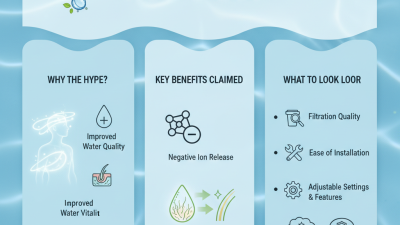
Water Quality Comparison Before and After Shower Filter Installation
Types of Shower Filters: Carbon, KDF, and UV Options
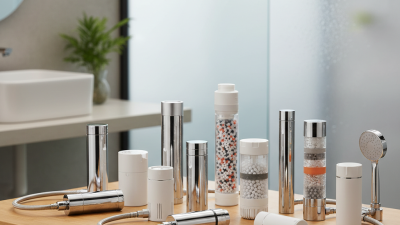
When selecting a shower filter, understanding the types available can dramatically affect your water quality. The most common types include carbon filters, KDF filters, and UV options. Each offers unique benefits and addresses different water issues.
Carbon filters excel at removing chlorine and other volatile organic compounds. Studies show they can reduce up to 99% of chlorine levels in tap water. This significantly improves skin and hair health, leading to softer skin and shinier hair. However, they may not be effective against heavy metals or bacteria.
KDF filters use copper and zinc alloy to reduce chlorine, heavy metals, and hydrogen sulfide. This type is renowned for its longevity, lasting up to six months without replacement. Interestingly, KDF also inhibits bacteria growth within the filter itself, promoting cleaner water over time.
Tips: Consider your water source. City water often contains higher chlorine levels, making carbon filters beneficial. If your water is from a well, KDF systems may serve you better due to their heavy metal removal capabilities. Remember, a combination filter can offer the best of both worlds.
UV filters work differently by using ultraviolet light to eliminate bacteria and viruses. Recent studies indicate these systems can eradicate up to 99.9% of harmful microorganisms. Though effective, they require electricity and are often a secondary choice. Make sure to weigh the benefits based on your specific water quality issues.
Key Features to Look for in a Shower Filter Head
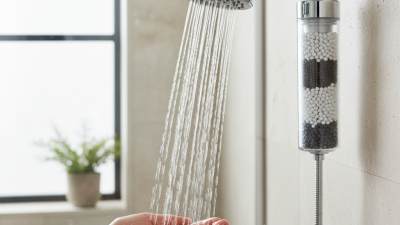
Choosing a shower filter head requires attention to key features. One crucial aspect is the type of filtration system. Different systems target specific contaminants. For instance, activated carbon filters remove chlorine, odors, and volatile organic compounds (VOCs). According to a study by the Water Quality Association, over 60% of shower filters effectively reduce chlorine levels, improving skin and hair health.
Another important feature is flow rate. A standard showerhead flows at around 2.5 gallons per minute (GPM). However, filter heads can vary. Some models may compromise on water pressure. Users report that a lower flow rate may lead to dissatisfaction. Ensuring a balance between filtration efficiency and comfortable water pressure is vital.
Material construction also matters. Look for durable options like ABS plastic or stainless steel. These materials can withstand heat and water exposure better than cheaper alternatives. Longevity is a significant aspect; a poorly crafted filter may not provide consistent performance. Research indicates that well-constructed units last longer, with some brands ensuring a lifetime of effective filtration. Always consider your local water quality and your specific filtration needs. Evaluating these features can promote healthier bathing experiences.
Installation and Maintenance Tips for Shower Filters
Installing a shower filter can greatly improve water quality. Before you begin, gather all necessary tools, such as a wrench and Teflon tape. Start by turning off the water supply. Taking this step seriously prevents accidental leaks. Remove the existing showerhead carefully. It's often helpful to soak the connection area to loosen any stuck parts.
When you attach the new filter, ensure it fits snugly. Use Teflon tape on the threads to avoid future leaks. Do not over-tighten it; this might cause breakage. Once installed, turn the water supply back on gradually. Observe for leaks and ensure everything functions smoothly. Regular maintenance is vital. Check filter cartridges based on usage. If you notice reduced water pressure or odd smells, it’s time to change the filter.
Remember, maintenance doesn’t just keep the filter working; it also ensures your water stays clean. A little effort goes a long way in enhancing your shower experience. If unsure about any step, consider consulting an expert. Don’t hesitate to ask questions. Taking the time to understand the process can prevent future frustrations.
Evaluating Cost vs. Benefits of Different Shower Filter Options
Choosing a shower filter involves weighing costs against benefits. Effective filters improve water quality, reducing chlorine and other contaminants. However, price points vary widely. Some filters offer basic functionality, while others provide advanced features. Evaluating these options is crucial for making an informed decision.
Consider maintenance costs and filter replacement frequency. A cheaper model might require more frequent replacements, leading to higher long-term costs. Conversely, a higher upfront investment in a quality filter can save money over time. Look for user reviews and expert insights when determining value.
It's also essential to assess installation ease. Some filters require professional help, increasing your overall expense. Others are user-friendly and easy to install yourself. Reflect on your water quality needs and personal budget to find the right balance. Everyone's situation is unique, and what works for one might not suit another. This personal assessment enhances the process of selecting the best shower filter head for clean water.
How to Choose the Best Shower Filter Head for Clean Water? - Evaluating Cost vs. Benefits of Different Shower Filter Options
| Filter Type |
Average Cost ($) |
Lifespan (Months) |
Contaminants Removed |
Benefits |
| Carbon Block Filter |
40 |
6 |
Chlorine, Lead |
Improves skin feel, reduces odors |
| KDF Filter |
50 |
12 |
Chloramine, Heavy Metals |
Longer lifespan, better for hard water |
| Vitamin C Filter |
60 |
8 |
Chlorine, Chloramines |
Neutralizes chlorine effectively |
| Reverse Osmosis Filter |
120 |
24 |
Most contaminants |
Comprehensive water purification |
| Sediment Filter |
30 |
6 |
Sediment, Rust |
Protects plumbing, easy maintenance |