Best Shower Head Filter for Clean Water in Your Home?
In today’s world, water quality is a growing concern. According to the Environmental Protection Agency (EPA), nearly 80% of U.S. water supplies contain contaminants. This alarming statistic highlights the importance of ensuring clean water in our homes. One effective way to improve water quality is by using a Shower Head Filter. These filters can significantly reduce harmful chemicals, chlorine, and heavy metals, providing a safer shower experience.
Shower Head Filters not only enhance water purity but also contribute to healthier skin and hair. Many users report noticeable improvements in skin conditions and reduced dryness after installing these filters. However, not all filters are created equal. The market offers various options, each with its unique features and filtration capabilities. This can lead to confusion. Consumers must weigh factors such as filter lifespan, ease of installation, and overall effectiveness.
Despite the benefits, consumers often overlook the maintenance of Shower Head Filters. Regular replacement is crucial for optimal performance. Ignoring this aspect can lead to reduced efficacy over time. It's essential to understand the balance between convenience and water quality in your home. Choosing the right Shower Head Filter means being informed and proactive about your water safety.
What is a Shower Head Filter and How Does It Work?
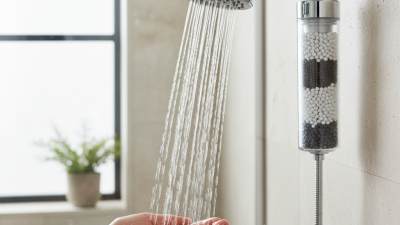
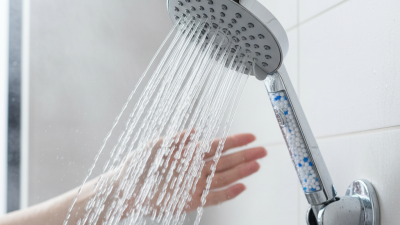
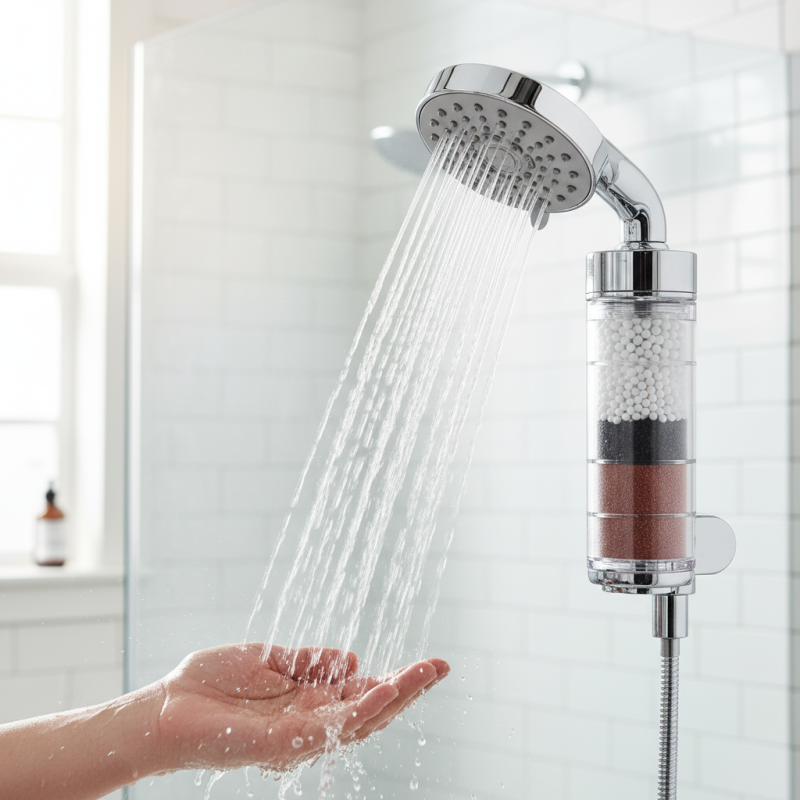
A shower head filter is a device that attaches to your existing shower system. Its main purpose is to purify the water that flows through it. This type of filter works by removing impurities such as chlorine, heavy metals, and sediments. According to a report by the Water Quality Association, 45% of U.S. households have hard water that can benefit from filtration.
The filtration process typically involves multiple stages. First, a pre-filter captures larger particles. Next, activated carbon is used to absorb chemicals and odors. Finally, a mineral filter can add beneficial minerals back into the water. Many users report softer skin and hair after using filtered water. However, some users note that filters require regular maintenance to ensure efficiency.
Although shower head filters offer great benefits, not all are equally effective. Performance can vary significantly. Some might only reduce chlorine levels while failing to address other contaminants. A study by the National Sanitation Foundation found that some filters removed 99% of chlorine, but only 40% of heavy metals. This highlights the importance of selecting a well-tested product.
Best Shower Head Filter for Clean Water in Your Home
| Filter Type |
Removal Capabilities |
Lifespan |
Flow Rate |
Price Range |
| Carbon Filter |
Chlorine, Sediment |
6-12 months |
2.5 GPM |
$30 - $50 |
| KDF Filter |
Chlorine, Heavy Metals |
8-12 months |
2.5 GPM |
$40 - $70 |
| Vitamin C Filter |
Chlorine, Chloramine |
6 months |
2.0 GPM |
$25 - $60 |
| Multi-Stage Filter |
Chlorine, Heavy Metals, Sediment |
12 months |
2.5 GPM |
$50 - $100 |
| Ion Exchange Filter |
Hard Water, Heavy Metals |
6-12 months |
2.5 GPM |
$40 - $80 |
Key Benefits of Using a Shower Head Filter for Health and Wellness
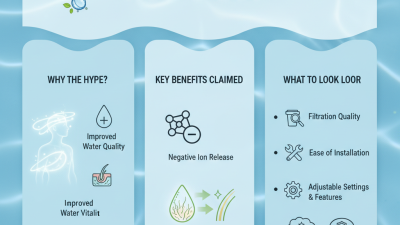
Using a shower head filter can significantly improve your health and well-being. Many households are unaware that tap water contains harmful substances. According to a report by the Environmental Protection Agency (EPA), over 80 contaminants can sometimes be found in municipal water supplies. These include chlorine, heavy metals, and bacteria, which can lead to skin irritations and respiratory issues.
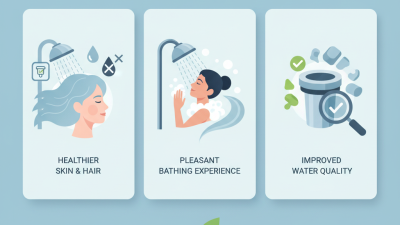
The benefits of a shower head filter extend beyond just cleaner water. A study published in the Journal of Environmental Science highlighted that showering with chlorine-free water can reduce the risk of skin conditions such as eczema. Filters also remove unpleasant odors and improve the overall shower experience. By consuming clean water through skin absorption, your body can better hydrate.
However, some may overlook the maintenance of these filters. Regular changes are vital to ensure effectiveness. Neglecting this aspect can lead to clogging, which diminishes filtration performance. This is a critical reminder for users who prioritize health. Using a filter is a step forward, but ongoing care is essential for reaping the full benefits of clean shower water.
Types of Shower Head Filters Available on the Market
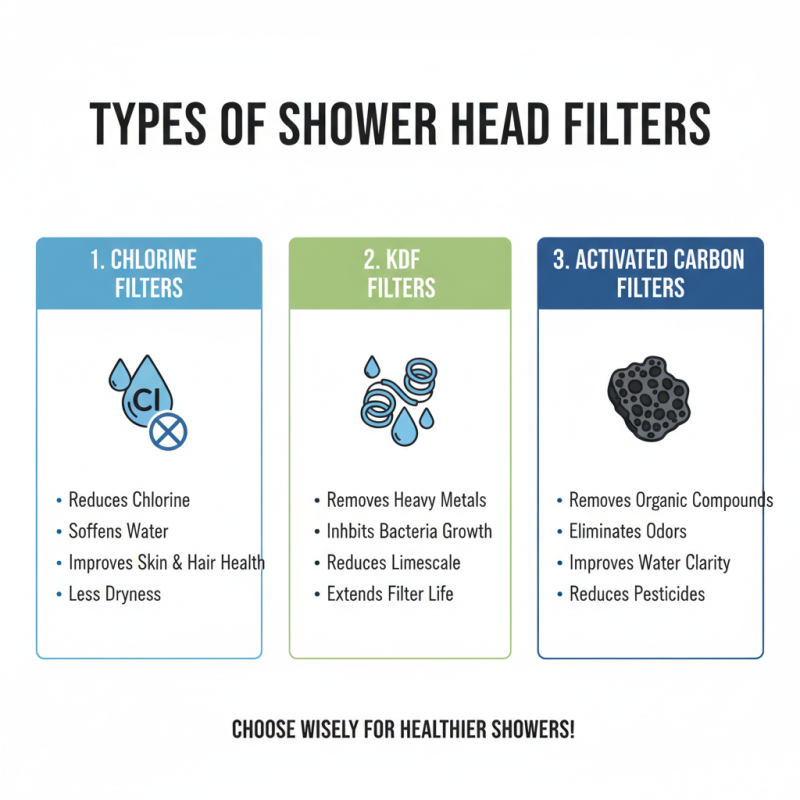
When choosing a shower head filter, it's essential to understand the various types available. Chlorine filters are popular, reducing chlorine levels in water. They can soften water and improve skin health. Many users notice less dryness in their hair and skin after using these filters.
Another option is the multi-stage filter. This type combines several filtration methods. It often includes activated carbon and KDF media, which work together to remove heavy metals and other impurities. The multi-stage filters usually yield clearer water and a better shower experience.
Ceramic filters are also on the market. They use a physical barrier to trap particles. These filters can be effective at removing sediment, but they may not eliminate chemicals as well as other types. Users might find that they need to change these filters more frequently. It's crucial to weigh the pros and cons of each type, as the right choice depends on your specific water quality and personal preferences.
Factors to Consider When Choosing a Shower Head Filter
When selecting a shower head filter, several factors deserve careful consideration. Water quality can vary significantly by location. Many reports indicate that over 30% of urban water supplies contain chlorine and heavy metals. A good filter will target these contaminants and reduce exposure during bathing, which is critical for skin health.
Look for filters that employ multiple filtration methods, such as activated carbon and KDF (Kinetic Degradation Fluxion). Studies highlight that these methods can eliminate up to 99% of chlorine and heavy metals. It’s important to check the filter’s certification, as ANSI/NSF standards reflect industry reliability. Not all filters are equal; some may filter only sediment, leaving other contaminants.
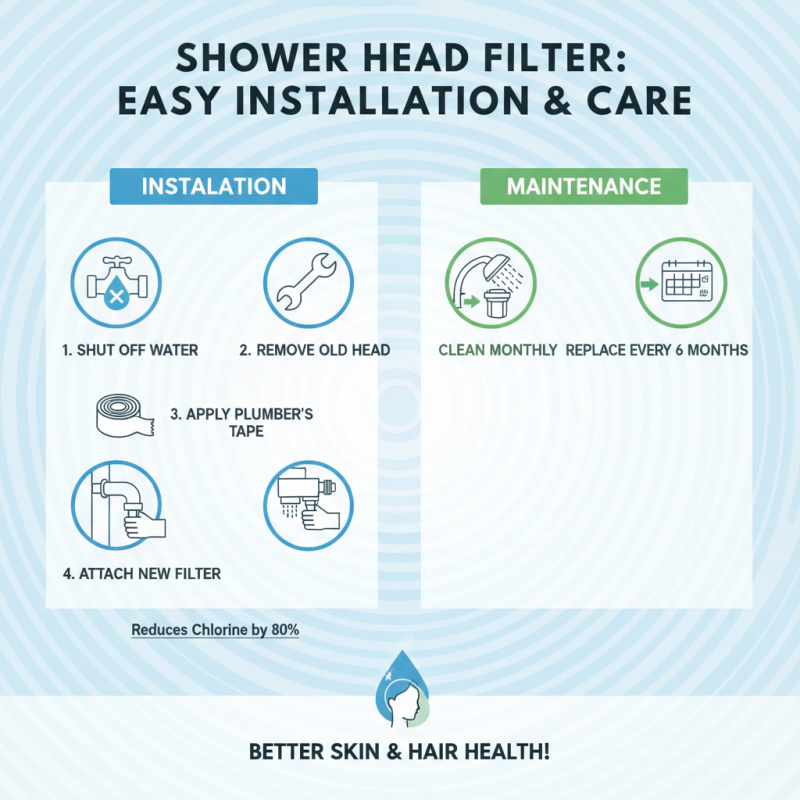
Consider the installation process, too. Some models require extensive plumbing work, while others provide easy DIY options. Ease of maintenance is another key factor. Filters need replacement every 6-12 months. Neglecting this can lead to bacteria growth, reducing their effectiveness. Be wary of filters that lack clear guidance on maintenance schedules. Ultimately, a careful examination of your specific needs and water quality data can lead you to the best choice.