Top 5 Shower Filter Tips for Healthier Skin and Hair?
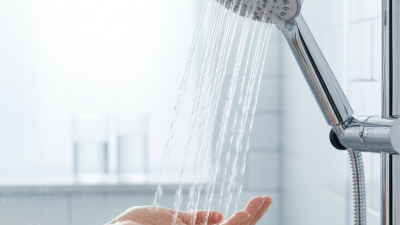
Our skin and hair often bear the brunt of harsh chemicals found in tap water. Chlorine, heavy metals, and other impurities can lead to dryness and irritation. This is where a Shower Filter comes into play. Installing one can enhance your bathing experience and significantly improve your skin and hair health.
Shower filters work by removing these unwanted elements. This simple change can yield noticeable results. Your skin may feel softer, and hair may become shinier over time. It’s essential to choose the right filter that suits your needs. Not all filters are created equal, and some may not trap certain contaminants effectively.
However, it’s vital to remember that not every shower filter works for everyone. Individual skin and hair types may react differently, leading to various outcomes. You may need to try a few before finding the perfect match. Constant maintenance and periodic replacement of filter cartridges are also crucial for optimal performance, which is often overlooked. Ultimately, the right shower filter can be a significant step towards healthier skin and hair.

Understanding the Importance of Shower Filters for Skin and Hair
Shower filters have gained attention for their potential benefits to skin and hair health. Hard water and chlorine can strip natural oils, leading to dryness and irritation. These factors can worsen conditions such as eczema and sensitive skin. Installing a shower filter can create a noticeable difference in the quality of your water.
The minerals and chemicals in unfiltered water affect hair texture. Many people experience dullness or excessive frizz. By using a shower filter, the water can better maintain your hair's natural moisture. A cleaner rinse leaves hair feeling softer and looking shinier. Moreover, reduced chlorine exposure can help prevent scalp irritation, making hair care routines more effective.
However, the choice of shower filters can be overwhelming. Not all filters perform equally, and some require frequent cartridge replacements. It’s essential to research and read reviews. Understanding your water quality is crucial. Investing time in learning about filtration systems helps ensure healthier skin and hair outcomes.
Top 5 Shower Filter Tips for Healthier Skin and Hair
Types of Shower Filters and Their Specific Benefits
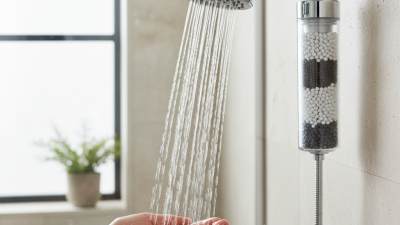
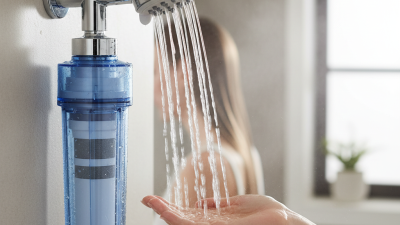
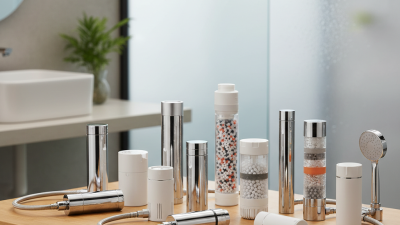
When considering shower filters, understanding the types available can greatly enhance skin and hair health. There are three main types: carbon filters, KDF filters, and multi-stage filters. Each type offers unique benefits tailored to specific needs.
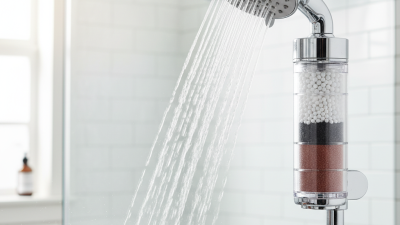
Carbon filters excel at removing chlorine and its byproducts. This is crucial, as chlorine can strip your hair of natural oils. Users often report softer hair after using them. KDF filters, on the other hand, combat heavy metals and bacteria. They’re ideal for those dealing with hard water. The multi-stage filters combine the strengths of both, providing a comprehensive approach.
Tips for use include regularly changing your filter to maintain effectiveness. Over time, filters can become clogged. If your water feels different, it might be time for a change. Monitor your skin’s reactions, too. If you notice increased dryness or irritation, reevaluating your filter choice is essential. Not every filter suits everyone’s skin type. Always remain mindful of how your skin responds. Personalization is key to achieving optimal results.
How to Choose the Right Shower Filter for Your Needs
Choosing the right shower filter can significantly impact your skin and hair health. With studies indicating that 60% of the water we use in showers can contain chlorine and other harmful chemicals, the importance of filtration is clear. A good shower filter can remove these contaminants, leading to healthier skin and shinier hair.
Look for filters that specifically target chlorine, heavy metals, and sediments. Some filters boast a multi-stage filtration system that uses activated carbon and KDF media. According to a 2021 report from the Environmental Working Group, these types of filters can reduce over 99% of chlorine. Certifications from organizations such as NSF International can also add credibility. However, be aware that not all filters are created equal; some may only partially remove chlorine or other impurities.
It’s essential to consider your water source. Municipal water may have different contaminants compared to well water. Regular testing of your water can provide insight into your specific needs. As statistics show, 80% of people experience dry skin or hair after long-term exposure to unfiltered water. Reflect on your personal experiences with skin irritation or hair damage; these could be signs of the need for an effective shower filter.
Maintenance Tips for Keeping Your Shower Filter Effective
Maintaining your shower filter is crucial for healthier skin and hair. Regular upkeep ensures that the filter works effectively, removing harmful impurities. Over time, minerals and contaminants can build up, leading to reduced filtration efficiency.
Change the filter cartridge every 6 to 12 months, depending on your water quality. If your water feels harder or smells unusual, it's time for a change. Keeping a reminder on your calendar can help avoid forgetting this important task.
Clean the showerhead regularly to prevent mineral deposits. This simple action can improve water flow and quality. If you notice any blockages, a vinegar soak can work wonders. Regularly check for leaks or cracks in the filter housing, as these can compromise performance. Taking these steps can lead to noticeable differences in how your skin feels and how your hair looks, showcasing the benefits of a well-maintained shower filter.
Integrating Shower Filter Use into Your Daily Routine for Best Results
Integrating a shower filter into your daily routine can significantly enhance your skincare and haircare efforts. Start by installing the filter as soon as possible. This small change allows you to enjoy filtered water every time you shower. The benefits are immediate; your skin feels softer, and your hair shines more. When you shower, think about the filtered water washing away impurities instead of contributing to dryness.
Create a specific shower routine that emphasizes the use of your filter. Consider using gentle shampoos and conditioners that complement the effects of filtered water. You might notice that your products lather better and rinse out cleaner. Experiment with different combinations and adjust based on how your skin and hair respond. It’s essential to pay attention to how your body reacts. Adjustments may be needed if your skin feels dry or if your scalp becomes irritated.
Don’t forget the importance of consistency. Make it a habit to check your filter regularly and replace it as needed. Track the improvements you see in your skin and hair over time. Journaling your observations can provide insights into what works best for you. It’s okay to have some setbacks. Embrace them as part of your journey toward healthier skin and hair.