2026 How to Choose the Best Shower Filter Head for Your Home?
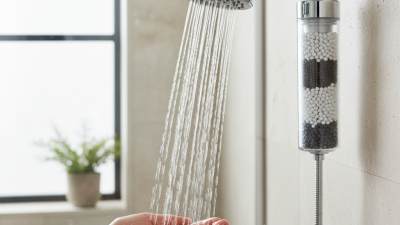
Choosing the right Shower Filter Head for your home is crucial for enhancing your bathing experience. The quality of water impacts skin health, hair vitality, and overall well-being. According to the Environmental Protection Agency, nearly 85% of American households receive hard water. This can contribute to dryness and irritation. Installing a Shower Filter Head can help alleviate these issues.
Research indicates that some shower filters can reduce chlorine levels by over 90%. Chlorine and other chemicals often exist in municipal water supplies, posing risks to health. A reliable Shower Filter Head can significantly improve water quality, leading to softer skin and shinier hair. However, not all filters are created equal. It's essential to consider flow rate, filtration technology, and replacement frequency when making a choice.
Reflecting on the wide variety available, it can be overwhelming. Some filters may not capture all contaminants effectively. Users sometimes overlook maintenance, which can reduce a filter's efficiency. As you explore options, weigh the evidence from industry studies and personal experiences. Make informed choices that ensure long-term benefits for your home.
The Importance of Shower Filters: Understanding Water Quality Impact
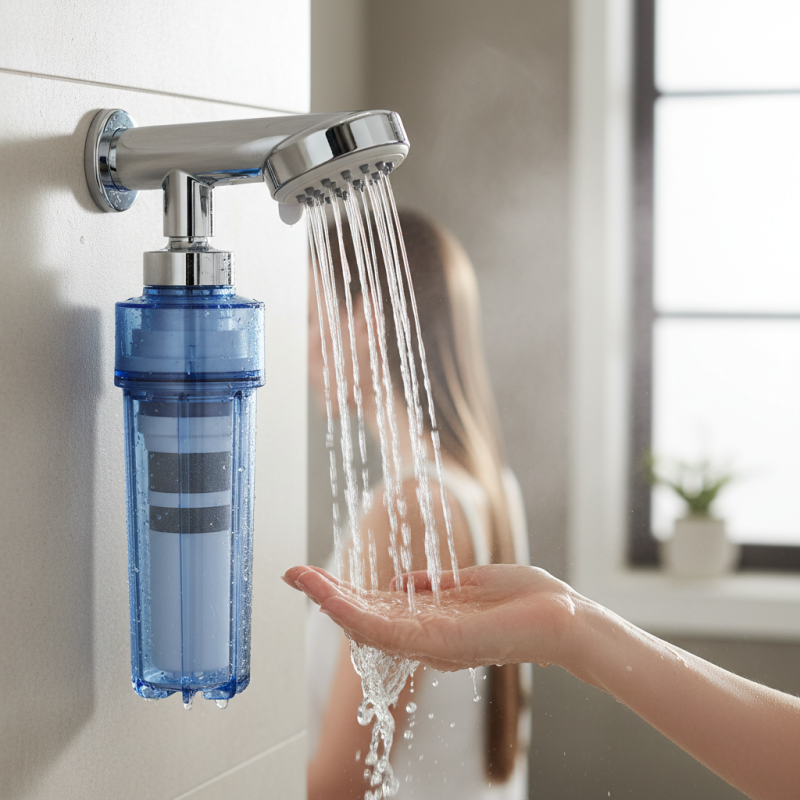
Water quality significantly impacts our health and well-being. Many people overlook the contaminants present in their shower water.
Chlorine, heavy metals, and other impurities can affect your skin and hair. Regular exposure can lead to dryness, irritation, or allergic reactions. Understanding what's in your water is crucial for maintaining quality and comfort in your home.
Choosing the right shower filter can greatly improve your water quality. A good filter removes harmful substances while preserving beneficial minerals. Look for models that target specific contaminants in your area, like chlorine or heavy metals. Not all filters are created equal. Some may be ineffective against certain impurities, so research is essential. It’s also important to replace the filter as recommended to ensure optimal performance.
Personal experiences vary when it comes to filter performance. Some users may notice immediate changes in their skin and hair after installation, while others may see slower results. Always be open to testing different options. Not every solution works the same for everyone. Engage with knowledgeable sources and read reviews to guide your choices. Water quality should never be compromised. Taking steps towards better filtration can lead to noticeable improvements in your daily routine.
Key Types of Shower Filters: Carbon, KDF, and UV Options Explained
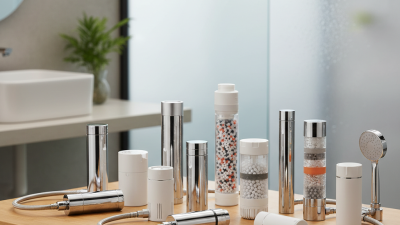
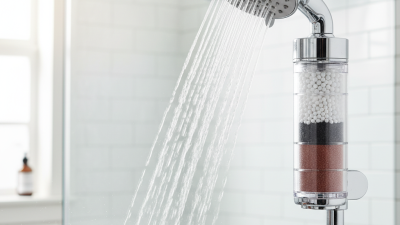
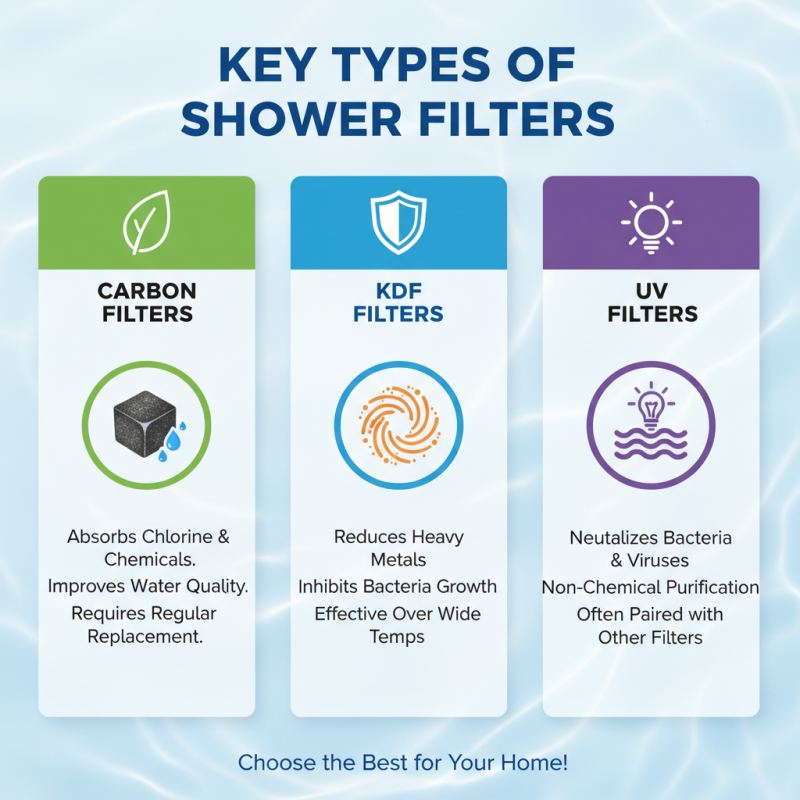
When selecting a shower filter head for your home, understanding the key types available is essential. Carbon filters are one of the most common options. They work by absorbing impurities like chlorine and harmful chemicals. This type can significantly improve water quality and make your shower experience more pleasant. However, they do require regular replacement to maintain effectiveness.
KDF filters are another option to consider. They use a combination of copper and zinc to remove contaminants. They are effective at reducing heavy metals and bacteria. Most notably, KDF filters have a longer lifespan than carbon filters. This option may be ideal for homeowners seeking a more durable solution.
For those looking for advanced technology, UV filter options offer powerful purification. UV light effectively destroys bacteria and viruses. It’s an excellent choice for households in areas with contaminated water supplies. However, UV filters often require a more complex setup and can be costlier.
Tips: When buying a shower filter, check its compatibility with your existing shower system. Make sure it fits properly without leaks. Don’t forget to review customer feedback; it might highlight potential issues or benefits you hadn’t considered. Regular maintenance is key, regardless of the filter type. Keep track of when you last replaced the filter to ensure optimal performance.
How Flow Rate Affects Shower Filter Selection and Performance
When selecting a shower filter head, the flow rate is a crucial factor. Research indicates that flow rates can vary widely, from 1.5 to 3.0 gallons per minute (GPM). High flow rates often provide a more satisfying shower experience. However, a filter designed for high flow may not effectively remove contaminants. Some studies show that filtering systems optimized for lower flow rates can significantly reduce chlorine and heavy metals while maintaining adequate water pressure.
An analysis of consumer preferences reveals that many people prioritize comfort over filtration efficiency. Yet, *balancing these aspects* is essential. A shower head with a flow rate below 2.0 GPM can save water and energy. However, if users find the shower experience lacking, they might abandon the filter altogether. This disappointment can lead to misuse or neglect of the product, undermining its benefits.
Understanding the relationship between flow rate and filtration is vital. Experts suggest that performance testing is necessary to ensure optimal filtration without sacrificing user experience. A filter that performs well at a higher flow rate may still leave harmful substances in the water. Making an informed choice requires careful consideration of both filtration capability and user comfort.
Evaluating Filter Lifespan: Replacement Frequency and Cost Analysis
When choosing a shower filter head, understanding the lifespan and replacement frequency is crucial. Many high-quality filters claim to last six months to a year before needing replacement. However, studies show that actual performance may decline after just three months due to mineral buildup and other factors. Regular checks can help assess effectiveness.
Cost analysis plays a vital role in decision-making. Replacement filters average $30 to $50, depending on the type and brand. If you replace your filter twice a year, this can sum up to $60 to $100 annually. It’s essential to balance between filter quality and cost. Some lower-priced options may need more frequent changes, increasing long-term expenses.
Additionally, consider how water quality affects filter lifespan. In regions with hard water, filters may clog faster. An average American family uses approximately 50 gallons of water daily. This consumption accelerates filter wear. So, reflect on how your water quality may influence your shower filter's longevity. It's not just about the initial cost but the ongoing maintenance expenses that matter.
2026 How to Choose the Best Shower Filter Head for Your Home? - Evaluating Filter Lifespan: Replacement Frequency and Cost Analysis
| Filter Type |
Lifespan (Months) |
Replacement Frequency |
Cost Per Filter ($) |
Annual Cost ($) |
| Carbon Block |
6 |
2 |
25 |
50 |
| KDF (Kinetic Degradation Fluxion) |
12 |
1 |
35 |
35 |
| Vitamin C |
6 |
2 |
30 |
60 |
| Ultrafiltration |
18 |
1 |
50 |
50 |
| Ceramic |
12 |
1 |
20 |
20 |
Health Benefits of Shower Filters: Reducing Chlorine and Contaminants
Shower filters offer various health benefits, especially by reducing chlorine and other contaminants in your water. Chlorine is commonly used in municipal water systems, but it can irritate your skin and hair. When you shower, you absorb chlorine through your skin and inhale it. This exposure may lead to respiratory issues and skin problems over time. By investing in a quality shower filter, you can minimize these risks.
In addition to chlorine, shower filters also reduce other harmful substances. Heavy metals, pesticides, and volatile organic compounds (VOCs) can be present in your shower water. These contaminants are linked to various health concerns. A filter can help alleviate worries about long-term exposure. Consider how these unseen threats might impact your well-being and your family's.
Choosing the right shower filter requires some thought. Look for filters that are certified to remove specific contaminants. Many filters use activated carbon, which effectively captures harmful particles. However, not all filters are created equal. Research product specifications and consumer reviews to find reliable options. Your shower should be a safe haven, not a source of health risks.