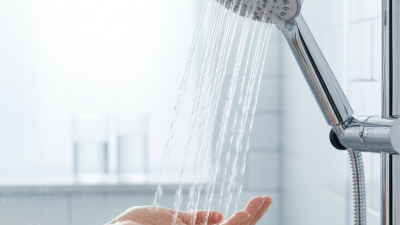
What is a Rain Shower and How Does it Work?
In recent years, the popularity of the Rain Shower has surged in modern bathrooms. According to a report by the National Kitchen and Bath Association, nearly 40% of homeowners prioritize shower experience enhancements. A Rain Shower, designed to mimic natural rainfall, provides a soothing and luxurious experience. It efficiently disperses water over a large area, creating a gentle, enveloping flow.
The mechanism behind a Rain Shower is intriguing. It typically features a large showerhead with numerous small holes, allowing water to flow evenly. This design not only enhances relaxation but can also improve water efficiency. A study by WaterSense suggests that these showers use 20% less water than conventional systems when properly installed.
However, despite their benefits, users should consider potential drawbacks. Installation can be complex, requiring proper plumbing adjustments. Moreover, if not maintained, mineral buildup can affect performance. Understanding these aspects is crucial for making an informed decision about upgrading to a Rain Shower.
What is a Rain Shower: Definition and Overview
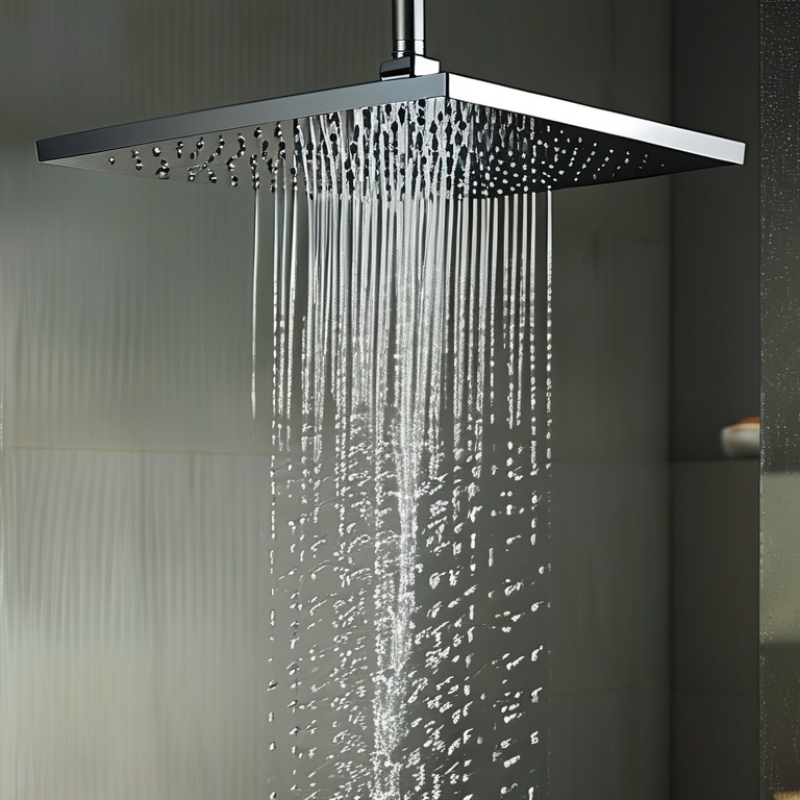
A rain shower is a type of showerhead designed to mimic the gentle, soothing sensation of rainfall. It typically features a wide, flat head that disperses water uniformly, creating a soft, enveloping experience. According to the National Kitchen & Bath Association, over 60% of bathroom remodels now incorporate rain showers, showcasing their growing popularity among homeowners.
These fixtures often come with adjustable settings, allowing users to control water intensity. Research from the American Society of Plumbing Engineers indicates that rain showers can use 20% more water than standard showerheads. This is a point of contention for some who prioritize water conservation. It's essential to weigh comfort against sustainability, especially in areas facing water shortages.
Choosing a rain shower often involves considering water pressure. Lower pressure may reduce the rainfall effect. Some users report dissatisfaction if expectations are high. An ideal rain shower balances comfort with practicality, taking into account personal preferences and environmental impact. Making an informed decision requires both understanding the setup and recognizing potential challenges.
Rain Shower Water Usage Analysis
This bar chart illustrates the water usage of different types of rain showers, showcasing the varying flow rates in gallons per minute. Low flow options conserve water, while high flow showers deliver a more robust experience, but at a cost to water efficiency.
The Mechanism of Rain Showers: How They Produce Waterfalls Effect
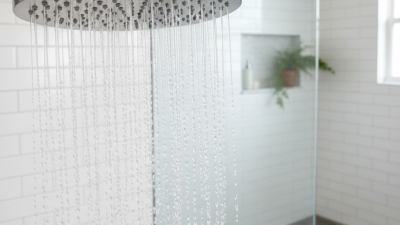
Rain showers create a soothing waterfall effect, transforming the shower experience into a refreshing retreat. The mechanism behind this lies in their unique design. Rain shower heads feature multiple nozzles that distribute water evenly, mimicking natural rainfall. This design enhances the sensory experience, providing a gentle, enveloping flow.
Studies show that the flow rate of rain showers can significantly impact user satisfaction. According to the National Kitchen and Bath Association, many consumers prefer shower heads with a flow rate between 2.5 to 3.0 gallons per minute. This range balances water efficiency and comfort. However, not all rain showers deliver the same experience. Some may offer a weaker flow, which can lead to disappointment.
Water pressure plays a crucial role in how effectively a rain shower functions. Low water pressure can result in a dribbly experience, failing to achieve that desired waterfall sensation. A pressure of at least 40 psi is recommended for optimal performance. Many users may not realize their home’s water pressure may not be ideal, affecting their shower experience. It’s critical to consider these factors when assessing the effectiveness of a rain shower system.
Key Features and Benefits of Using Rain Showers in Bathrooms
Rain showers have gained popularity for good reasons. They offer a refreshing and relaxing experience that feels like standing under a gentle rainfall. The design mimics nature, providing comfort to users. This unique feature transforms an ordinary bathroom into a spa-like retreat.
One of the key benefits is the wide coverage area. Rain showers distribute water evenly over your body. This reduces pressure in specific areas, leading to a soothing sensation. Many people enjoy how this design promotes relaxation and stress relief. Moreover, they can enhance your bathroom's aesthetics. Sleek and modern fixtures provide a stylish touch.
Installation may require planning. Ensuring proper water pressure is crucial. Without adequate pressure, the experience may not be as enjoyable. Users might find themselves disappointed if the water flow is weak. Regular maintenance is also necessary to keep the showerhead clean. This attention to detail ensures longevity and optimal performance. Although rain showers are appealing, some might struggle with the adjustment if they prefer traditional shower heads. Ultimately, no option is perfect, but the allure of a rain shower is hard to resist.
Industry Trends: Popular Designs and Technologies in Rain Showers
Rain showers are becoming increasingly popular in modern bathrooms. Their design mimics natural rainfall, creating a soothing experience. Many consumers prefer large, overhead showerheads, which provide even water distribution. The newest rain shower models incorporate adjustable settings. Users can switch between a gentle drizzle and a more powerful spray.
Material quality is essential in today’s rain showers. Homeowners often look for durable finishes that resist tarnish and corrosion. Stainless steel and brass are top choices. Additionally, eco-friendly technologies are gaining attention. Water-saving features reduce consumption while maintaining luxurious comfort. Some showers even use digital thermostats for precise temperature control.
Trends in rain shower designs are constantly evolving. Minimalist aesthetics are favored, with sleek lines and simple shapes. Colors like matte black and brushed nickel are emerging favorites. While rain showers are appealing, proper installation is crucial. Incorrect setups may lead to water pooling or inadequate drainage. Homeowners should consider hiring experts for installation to avoid these issues. Engaging with experienced professionals ensures a seamless design and function.
Maintenance Tips: Ensuring Optimal Performance of Rain Showers
Rain showers are a luxurious addition to modern bathrooms. To maintain their optimal performance, several tips are essential. Regular cleaning is crucial. Mineral deposits from hard water can clog the showerhead. A study from the American Society of Plumbing Engineers shows that 80% of showerhead issues stem from blockages. Use a vinegar solution to soak the showerhead. This will dissolve buildup efficiently.
Inspecting the water pressure is another key factor. Rain showers typically require a minimum pressure of 2.0 GPM for the best experience. A pressure too low can diminish the rain-like feel. Consider adding a pressure regulator if necessary. Regularly checking for leaks is also important. Even small leaks can waste significant water. The EPA reports that leaks can account for 10,000 gallons of water wasted each year in an average home.
Lastly, consider the showerhead's orientation. Adjusting it may enhance water flow. This simple tweak can create a more enjoyable shower. Regular maintenance not only enhances performance but also extends the life of your rain shower system. A little effort goes a long way.
What is a Rain Shower and How Does it Work? - Maintenance Tips: Ensuring Optimal Performance of Rain Showers
| Feature |
Description |
Maintenance Tips |
| Water Flow |
Simulates a natural rain experience with wide spray. |
Regularly clean the showerhead to prevent mineral buildup. |
| Spray Pattern |
Provides a soft, even spray covering a large area. |
Check for clogs in nozzles; replace if necessary. |
| Installation |
Can be mounted on walls or ceilings, depending on design. |
Ensure proper sealing to prevent leaks. |
| Water Pressure |
Optimal performance often requires higher water pressure. |
Regularly test water pressure; adjust plumbing if needed. |
| Materials |
Typically made from durable materials such as stainless steel and brass. |
Wipe down after every use to maintain finish and prevent tarnishing. |