Leave Your Message
-
Phone
-
E-mail
-
Whatsapp
Choosing the best Hand Shower is not simply a matter of matching chrome finishes. It affects comfort, water use, cleaning, and daily accessibility. A handle that feels solid can make a noticeable difference during a rushed morning. A poorly positioned bracket can turn a relaxing shower into an awkward reach.
Richard Trethewey, a plumbing expert known for his work on This Old House, has emphasized a practical principle: “Good plumbing should serve the people using it.” That idea fits every Hand Shower decision. Look closely at the spray pattern, hose length, control position, and installation height. A wide spray may feel luxurious, but it can waste water in a small enclosure. A narrow spray may rinse shampoo faster. Small details matter.
Measure first.
Check your water pressure before buying. Some models perform poorly in homes with weak flow, even when their product descriptions sound impressive. Families should also consider whether children, older adults, or people with limited mobility will use the shower. A lightweight head and flexible hose may offer more value than extra spray modes.
Still, no choice is perfect. More features can create more parts to clean or repair. A beautiful finish may show fingerprints every day. This guide will compare practical designs, useful specifications, and common mistakes. It will help you choose a Hand Shower based on real bathroom conditions, not attractive packaging alone.
How to Choose the Best Hand Shower for Your Bathroom?
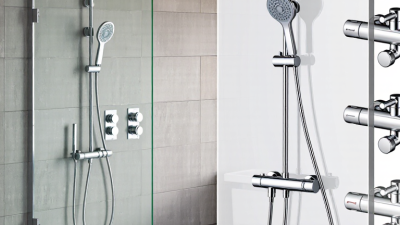
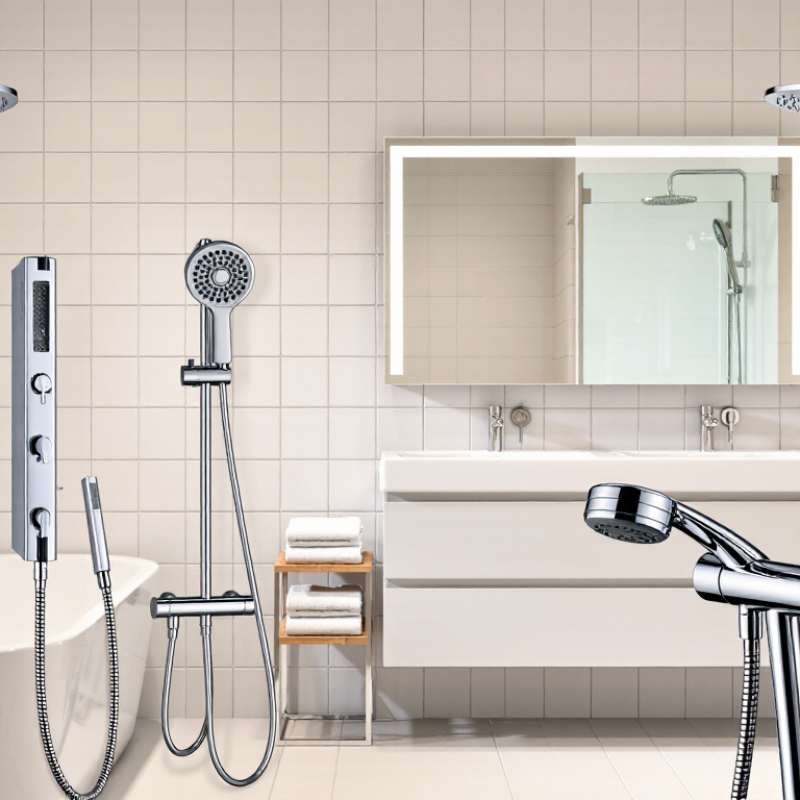
A handheld shower is practical for rinsing hair, cleaning the tub, and helping children bathe. Its flexible hose gives you better control than a fixed showerhead. Common types include basic handheld models, slide-bar sets, and combination systems with both fixed and handheld outlets. A basic model suits simple bathrooms. A slide-bar version adds height adjustment for different users. Combination systems offer flexibility, but they usually need more wall space and careful installation.
Spray patterns are a major feature. A focused jet can rinse shampoo quickly, while a softer mist feels gentler on sensitive skin. Some models include massage pulses or a pause control. Too many settings can look attractive, though they may be confusing during daily use. I once chose a shower with a stiff selector, and wet hands made it difficult to turn. A comfortable grip, smooth controls, and a hose that does not twist matter more than extra buttons.
Check the shower’s flow rate, connection size, and pressure requirements before buying. Water-saving designs can reduce consumption, but weak household pressure may make them feel disappointing. Look for easy-clean nozzles, durable seals, and clear installation instructions. An anti-limescale surface helps in hard-water areas, but it still needs regular wiping. Safety also deserves attention. A secure wall bracket and a rounded handle reduce the risk of dropping the shower. No choice is perfect. Your bathroom layout, water pressure, and daily habits should guide the final decision.
| Hand Shower Type | Typical Configuration | Main Features | Adjustment Options | Installation Requirements | Key Advantages | Important Considerations | Best Suited For |
|---|---|---|---|---|---|---|---|
| Standard Hand Shower | Removable shower head connected to a flexible hose and wall holder | Simple handheld spray, compact design, easy reach | Usually includes a spray selector; holder height may be fixed | Requires a shower arm or wall outlet, hose, and wall bracket | Affordable, practical, and easy to use for everyday bathing | A fixed holder may not be suitable for users of different heights | Small bathrooms, rental homes, and basic bathroom upgrades |
| Multi-Function Hand Shower | Handheld shower head with several spray settings | Common settings include full spray, concentrated spray, massage spray, and pause or water-saving mode | Settings are changed by rotating a dial or pressing a selector | Generally fits a standard shower hose connection; compatibility should be checked | Offers different spray sensations for rinsing, relaxation, and cleaning | More moving parts can increase cleaning and maintenance needs | Households wanting flexible daily shower options |
| Slide-Bar Hand Shower | Hand shower mounted on an adjustable vertical rail | Height-adjustable holder, flexible hose, and removable shower head | Holder position can be moved up or down; spray modes may also be available | Needs a securely mounted slide bar and suitable wall space | Works well for users of different heights and can support seated showering | Wall drilling and careful fixing may be required; the bar must be installed securely | Family bathrooms, accessible bathrooms, and shared shower spaces |
| Hand Shower with Overhead Shower | Handheld shower combined with a fixed overhead shower outlet | Two showering positions: hands-free overhead flow and targeted handheld spray | May use a diverter to select one outlet or a shared-flow setting, depending on the system | Requires compatible plumbing and a diverter or combination shower system | Provides greater flexibility for rinsing hair, bathing children, and cleaning the enclosure | Installation is more complex and water pressure may affect simultaneous use | Primary bathrooms and users who want multiple showering positions |
| Thermostatic Hand Shower System | Hand shower connected to a thermostatic mixer or thermostatic shower system | Temperature control with a built-in safety feature designed to limit accidental overheating | Separate controls commonly regulate water temperature and flow | Requires a compatible thermostatic valve and correct hot-and-cold water connections | Provides more consistent temperature control than a basic manual mixer | Costs more and may require professional installation or plumbing modifications | Family bathrooms, households with children, and comfort-focused renovations |
| Water-Saving Hand Shower | Handheld shower designed to reduce water flow while maintaining a usable spray | Flow regulator, aerated spray, pressure-compensating component, or pause control | May include a pause button or selectable lower-flow setting | Usually installs like a standard hand shower; local connection standards should be checked | Can reduce water consumption and hot-water energy use when used appropriately | Spray performance depends on the available water pressure and the flow-control design | Water-conscious homes and bathrooms with high shower usage |
| Filtered Hand Shower | Handheld shower with a replaceable filter cartridge in the shower head or hose assembly | Filter media may reduce certain sediment, chlorine, or odor-related impurities, depending on the product | Usually has standard spray selection; filtration performance is not normally adjustable | Requires sufficient space for the filter and regular cartridge replacement | May improve perceived water quality and reduce visible sediment at the outlet | Filter effectiveness varies by media and water conditions; it does not replace whole-house treatment | Bathrooms where water odor, sediment, or localized filtration is a concern |
| Accessible Hand Shower | Hand shower used with a low-reach holder, slide bar, or accessible shower layout | Long flexible hose, easy-grip handle, reachable controls, and adjustable mounting position | Holder height and direction can be adjusted; large controls improve usability | Needs secure mounting and sufficient hose length without creating a trip or snag hazard | Supports seated showering and users with limited mobility or reach | Installation should follow applicable accessibility and bathroom safety requirements | Accessible bathrooms, assisted bathing, and multi-user households |