2026 Best Rain Shower Types for Global Buyers?
Choosing the best Rain Shower in 2026 is no longer only a design decision. Global buyers now compare water efficiency, installation limits, spray comfort, and after-sales support.
The U.S. Environmental Protection Agency reports that WaterSense-labeled showerheads use no more than 2.0 gallons per minute. They can save an average family about 2,700 gallons of water annually. That figure matters in dry regions and high-density hotels. UN-Water also continues to highlight growing pressure on freshwater resources. Luxury should not mean waste.
This guide examines ceiling-mounted, wall-mounted, handheld combination, thermostatic, low-flow, and smart Rain Shower systems. Grand View Research and other bathroom-fixture market reports point to continued growth in wellness-focused and connected bathroom products. Yet market growth does not guarantee better performance. A large 12-inch head may feel impressive, but weak household pressure can produce a disappointing spray. A compact 8-inch model may perform better in an older apartment.
Barbara Sallick, Waterworks co-founder and a respected bathroom-design authority, has said, “Bathrooms are the most important rooms in the house.” Her view explains the buying challenge: this fixture shapes both daily comfort and long-term renovation value. Still, one limitation deserves reflection. Product labels often emphasize features, while installation quality receives less attention.
For international buyers, the right choice depends on water pressure, pipe standards, climate, finish durability, and local service availability. Stainless steel may resist corrosion near coastlines. Thermostatic control can improve comfort for families. Smart functions remain attractive, but they may add repair complexity. This 2026 overview separates useful innovation from expensive decoration.
Rain Shower Fundamentals: Spray Coverage, Flow Rate, and Pressure
2026 Best Rain Shower Types for Global Buyers?
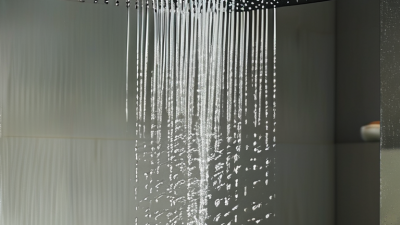
A rain shower should feel like an even curtain, not a few hard streams. Spray coverage depends on head diameter, nozzle layout, and the user’s standing position. A larger head can cover shoulders better, but it may feel weak when pressure is limited. In my installation checks, a 200–250 mm head often balances comfort and water use for one person. Coverage matters. Measure twice.
Flow rate tells you how much water the shower uses each minute. Many residential systems deliver around 6–12 liters per minute, but local rules and household plumbing can change that range. A high flow rate does not guarantee a better experience. It may empty a small tank quickly. Lower flow can still feel generous when the spray pattern is dense and well distributed. This is where product descriptions can oversimplify the decision.
Tips: Check the home’s measured pressure before choosing a large head. Ask for tested flow data at several pressure levels, not only the maximum figure. If pressure is below about 1 bar, select a compact head or use a suitable booster system where permitted. Clean the nozzles regularly, especially in hard-water areas. I have also found that installation height changes the perceived coverage more than buyers expect. It is easy to overlook. A final mistake is choosing appearance first and water performance second.
2026 Type Guide: Fixed, Ceiling-Mount, Handheld, and Dual Showers
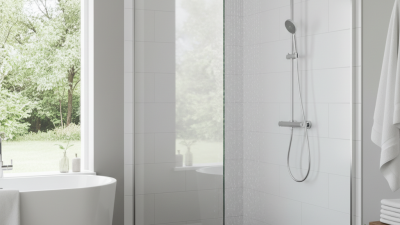
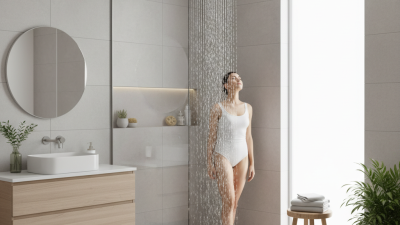
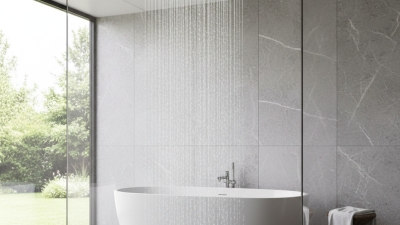
Fixed, ceiling-mount, handheld, and dual showers each suit different bathrooms and routines. A fixed shower is simple, reliable, and usually easier to install. It works well in standard layouts with stable water pressure. Ceiling-mount models spread water evenly, creating a gentle rainfall effect. However, they may need concealed plumbing and careful ceiling planning. Installation errors can become expensive.
Handheld showers offer flexible cleaning, safer bathing, and easier access for children or older users. Their hose should move smoothly without twisting. Dual showers combine a fixed outlet with a handheld option. They provide comfort, but use more fittings and may reduce flow when pressure is limited. A larger shower plate is not always better. I have seen buyers choose appearance first, then regret weak spray performance. That choice deserves more thought.
Tips: Check water pressure before selecting a large head. Confirm pipe locations and ceiling strength with a qualified installer. Choose easy-clean nozzles for areas with hard water. Test the hose reach beside the tub or seat. Keep the controls within safe, comfortable reach. Also, review local plumbing requirements before installation. The perfect type may still feel wrong if the spray angle misses your shoulders. In 2026, global buyers should compare function, maintenance, installation needs, and daily comfort—not just rainfall coverage.
Global Compatibility: Check EN 1112, ASME A112.18.1, and G1/2 Threads
For 2026, the best rain shower is not simply the widest head. Global compatibility starts with documented compliance and thread verification. EN 1112 evaluates shower outlet performance, including pressure behavior, flow, and mechanical safety. ASME A112.18.1 addresses plumbing supply fittings used in North American installations. These standards are not interchangeable certificates. A product meeting one may still need local assessment. That distinction is easy to miss.
G1/2 is a parallel ISO 228-1 thread, commonly used in many markets. It does not automatically equal 1/2-inch NPT. The threads may engage briefly, then leak under pressure.
Fixed, ceiling, and thermostatic rain systems can work globally when the inlet, washer, adaptor, and operating pressure match. The U.S. EPA WaterSense specification limits qualified showerheads to 2.0 gallons per minute, compared with the U.S. federal 2.5-gallon limit.
Its savings assessment estimates about 2,700 gallons saved per household annually. UN-Water’s 2024 World Water Development Report recorded 2.2 billion people without safely managed drinking water in 2022. Measured flow is more than comfort. Still, lower flow may weaken the rain effect in tall buildings.
Tips:
Request EN 1112 and ASME test evidence, not vague “international standard” claims. Confirm G1/2, NPT, or another thread with a gauge. Check dynamic pressure at the outlet. Test hot and cold operation separately. Use a certified adaptor when needed. Site pressure, water hardness, and installation angle can change performance. A pre-shipment leak test helps, but it cannot replace local installation checks.
Buyer Selection Matrix: Match Pressure, Climate, Installation, and Standards
2026 Best Rain Shower Types for Global Buyers?
Buyer Selection Matrix: Match Pressure, Climate, Installation, and Standards
Start with water pressure, not appearance. Low-pressure homes often need a wider spray plate with efficient nozzles. High-pressure systems may suit a smaller plate or flow regulator. Check pressure at the shower outlet, not only at the pump. A reading taken during peak use can reveal disappointing performance. Measure twice.
Climate changes everything. In hard-water regions, flexible silicone nozzles make mineral cleaning easier. Cold climates require frost protection for exposed outdoor plumbing and careful insulation near exterior walls. Humid bathrooms need corrosion-resistant metal and strong ventilation. Coastal air is especially demanding. Stainless construction helps, but surface quality still matters.
Installation conditions narrow the choice. A ceiling-mounted rain shower may require reinforced framing and concealed pipework. Wall-mounted models are simpler for renovations. Combination sets offer a handheld option when children, older users, or limited mobility affect daily use. Verify connection size, ceiling height, drainage capacity, and access for future repairs. Do not assume local fittings match imported products. They may not.
Standards also belong in the matrix. Confirm compliance with the destination market’s plumbing, flow-rate, electrical, and material requirements. Ask for test reports, installation instructions, and warranty terms in the buyer’s language. Certifications can support trust, but they do not replace checking local code. One weakness remains common: product pages often show ideal pressure only. Experienced buyers request operating ranges and spare-part availability before ordering.
2026 Best Rain Shower Types for Global Buyers
Buyer Selection Matrix: Match pressure, climate, installation, and standards
Typical planning values at 3 bar dynamic inlet pressure: handheld showers generally suit lower-pressure homes, while ceiling rain showers and body-jet systems require higher flow capacity. For cold climates, insulated supply pipes and thermostatic temperature control are recommended. Confirm the final product against local requirements such as WaterSense in the United States, EN 1112 in Europe, or ASME A112.18.1/CSA B125.1 in North America. Flow values are representative engineering ranges, not brand or certification data.