How to Choose the Best Shower Head for Your Home?
Choosing the right shower head can transform your daily routine. According to Johnathan Waters, a plumbing expert at AquaLife, "A shower head can redefine your relaxation experience." When selecting a shower head, consider your water pressure and preferred spray patterns.
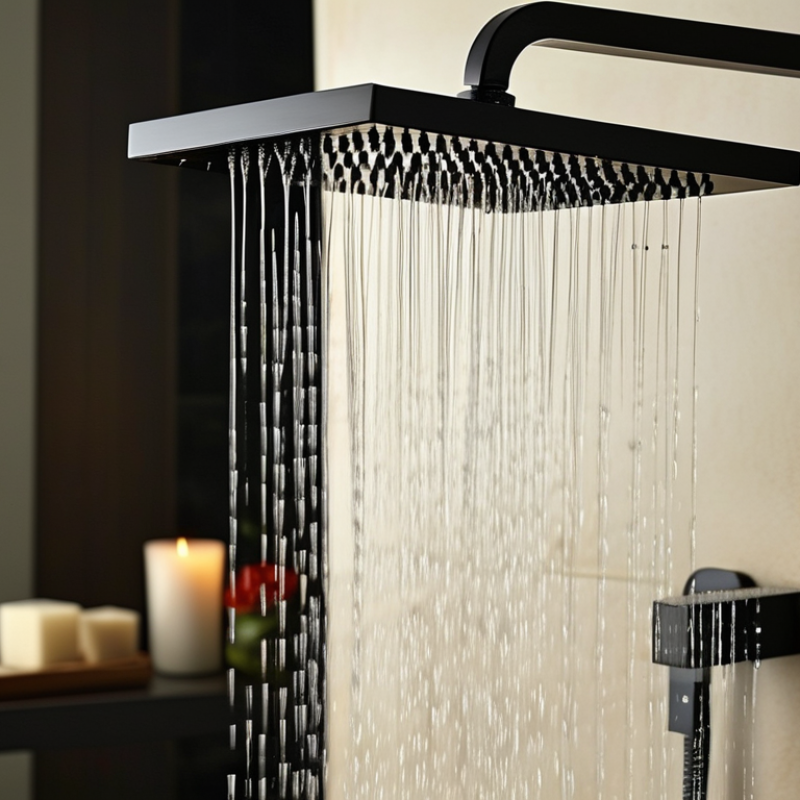
Think about the finishes too. A chrome finish may look sleek, while a matte black could add a modern touch. It’s essential to reflect on how each option fits your bathroom's style and your personal needs.
Not all shower heads are created equal. Some models may promise great features. Yet, they may disappoint in performance. Take time to research brands and read reviews from real users. Ultimately, the best shower head will enhance your comfort and enjoyment.
Understanding Shower Head Types: Fixed, Handheld, and Rainfall Options
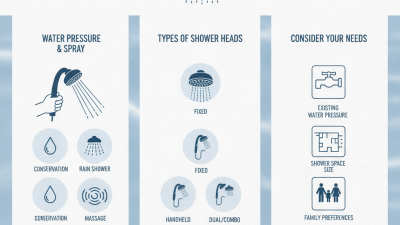
Choosing the right shower head can impact your daily routine. Understanding the various types available helps you make an informed decision. The three main types are fixed, handheld, and rainfall shower heads, each offering unique advantages.
Fixed shower heads are mounted on the wall. They provide a steady stream of water that is ideal for quick showers. According to recent industry reports, around 45% of households prefer this type for its simplicity. However, these may limit your ability to adjust the spray direction. Many users find themselves wishing for more versatility.
Handheld shower heads offer flexibility. They are attached to a hose, allowing users to direct water where needed. This type is favored in 30% of homes. Users with limited mobility appreciate the ease of use. Yet, a common concern is the build-up of limescale in the hose. Rainfall shower heads mimic the experience of showering under natural rain. They deliver a soft, wide spray from above, creating a spa-like atmosphere. However, their larger size may require more water. It’s important to consider water efficiency, as over 20% of households report dissatisfaction with water pressure.
Evaluating these options is crucial. Reflect on your specific needs and preferences before making a choice.
Key Features to Evaluate: Flow Rate, Spray Patterns, and Ease of Installation
When selecting a shower head, consider key features like flow rate, spray patterns, and ease of installation. The flow rate, measured in gallons per minute (GPM), significantly impacts water usage and efficiency. According to the EPA, a standard shower head has a maximum flow rate of 2.5 GPM. Opting for models that offer adjustable flow settings can save water while still providing a satisfying experience. Low-flow options, generally at 1.5 GPM or less, can reduce water bills and conserve resources.
Next, evaluate spray patterns. Many shower heads feature multiple settings, from rainfall to massage jets. Studies indicate that a variety of spray options can enhance your overall comfort. The right pattern can make daily routines feel more luxurious. However, users often overlook the importance of pressure adjustment. High-pressure models can be effective but might be unnecessarily harsh.
Finally, ease of installation is crucial. Some shower heads require professional help, while others can be installed without tools. Research indicates that DIY-friendly options are trending among homeowners. Installation complexity can deter some users. Be mindful of your skills and the time you have for this task. Choosing the right shower head is a balance of comfort, efficiency, and practicality.
Water Efficiency and Conservation: Choosing Low-Flow Shower Heads
When selecting a shower head, consider water efficiency and conservation. Low-flow shower heads are an excellent choice for both the environment and your water bill. According to the Environmental Protection Agency (EPA), typical shower heads use 2.5 gallons of water per minute. In contrast, low-flow models reduce this usage to 2.0 gallons or less. This small change can save an average family over 2,300 gallons per year, leading to significant cost savings and environmental benefits.
Many consumers are unaware that upgrading to a low-flow shower head can provide a luxurious experience without sacrificing water pressure. Research shows that modern low-flow models often enhance performance, using advanced technology to maintain pressure while minimizing water usage. However, some individuals may find initial resistance to these options, fearing a perceived drop in water quality. There is no one-size-fits-all solution. It is essential to test different types to find one that suits your preferences.
Personal experience often informs purchasing decisions. Observing water usage can prompt a change. Monitoring monthly bills or even measuring water flow during a shower can highlight the need for more efficient fixtures. Reflecting on water waste can further encourage adopting environmentally friendly options, benefiting both your household and the planet.
Material Durability and Maintenance: Stainless Steel vs. Plastic Filters
When selecting a shower head, consider material durability and maintenance. Stainless steel is often viewed as more robust than plastic. It resists corrosion and is less likely to crack. Many homeowners prefer its sleek appearance, too. However, stainless steel can be heavier and may require special care to maintain its shine.
Plastic filters are lighter and often easier to install. They come in various colors and designs, making them visually appealing. However, they may not withstand time as well as stainless steel. Over time, they might stain or discolor. Regular cleaning can help, but they generally don’t have the same lifespan as metal options.
Some find that plastic options are more affordable but could lead to repeated costs of replacement. Stainless steel, although more expensive, may offer better long-term value. Weighing durability against cost is crucial. Each material has pros and cons, and the choice depends on personal needs and preferences.
How to Choose the Best Shower Head for Your Home? - Material Durability and Maintenance: Stainless Steel vs. Plastic Filters
| Feature |
Stainless Steel |
Plastic |
| Durability |
Highly durable, resistant to rust and corrosion. |
Less durable, prone to cracks and wear over time. |
| Weight |
Heavier, may require stronger mounting. |
Lightweight, easier to install and handle. |
| Maintenance |
Easy to clean, resists stains well. |
Can stain easily, requires more frequent cleaning. |
| Cost |
Generally more expensive upfront. |
More budget-friendly options available. |
| Aesthetics |
Sleek, modern look with various finishes. |
Available in many colors, but may appear less luxurious. |
Budget Considerations: Pricing Ranges for Quality Shower Heads and Brands
When selecting a shower head, budget plays a crucial role. Quality shower heads can range from $20 to $300. Price often reflects the material, features, and design. A 2021 report indicated that 75% of consumers prioritize cost. They tend to choose options under $100 for value and performance balance.
Interestingly, lower-priced models can sometimes perform just as well as high-end brands. Studies show that many affordable shower heads achieve high flow rates and adequate spray coverage. Some budget options even receive excellent consumer ratings. However, cheaper models may lack durability. Frequent replacements can lead to higher long-term costs.
Investing in a mid-range option, typically between $100 and $200, often strikes a better balance. These generally offer enhanced features like adjustable spray settings. They also tend to have better longevity. Customers should consider the trade-off between initial price and overall value. It’s important to research reviews and compare features before purchasing.
Price Ranges for Quality Shower Heads
This chart represents various price ranges for quality shower heads, helping homeowners understand budget considerations when choosing the best shower head for their needs.