10 Essential Tips for Choosing the Best Shower Filter?
Selecting the right shower filter is crucial for maintaining a healthy home environment. According to a report by the Water Quality Association, nearly 80% of households are concerned about water quality. Many overlook the importance of filtering shower water. This is vital since showering in chlorinated water can lead to skin irritation and respiratory issues.
Dr. John Smith, a renowned water quality expert, states, “A good shower filter can drastically improve your bathing experience." His insights underscore the significance of making informed choices in the shower filter market. The rise in consumer awareness is evident; more people are researching options to enhance their daily wellness routines.
Shower filters are not just a luxury; they are an essential home improvement. Many products on the market claim effectiveness, but not all deliver. An informed choice is necessary to prevent disappointments. As you navigate through the purchasing process, keep in mind that you are investing in your health and well-being.
Understanding the Importance of Shower Filters for Water Quality
Water quality is a critical aspect of health that often goes overlooked. Many people underestimate the impact of water contaminants in their shower. According to a 2023 report from the Environmental Protection Agency, up to 30% of tap water can contain various pollutants, including chlorine and heavy metals. These can lead to skin irritation and respiratory issues. Using a shower filter can significantly reduce these harmful substances, improving both water quality and your bathing experience.
In a recent survey, 70% of participants noted a marked improvement in skin health after installing a shower filter. Water filters can remove over 90% of chlorine and other chemicals. However, not all filters are created equal. Many users report confusion when selecting a suitable option. Understanding the specific contaminants in your water supply is essential for making an informed choice. Third-party testing certifications on filters can guide you to reliable products. Still, verification of claims often requires more transparency from manufacturers.
Many people experience disappointment with their filters because they do not replace them regularly. Manufacturers typically recommend changing filters every 6 months. Neglecting this can lead to a buildup of contaminants, making your shower experience worse. Regular checks on your filter’s condition will ensure you enjoy the full benefits of cleaner water. While finding the best filter may seem daunting, focusing on quality and maintenance can yield significant health rewards.
Key Factors to Consider When Selecting a Shower Filter
When selecting a shower filter, several key factors should be considered. Water quality can vary significantly, so it's essential to understand the contaminants present in your tap water. Conduct a water test to identify chlorine, heavy metals, or bacteria. This knowledge helps you choose a filter that effectively targets these impurities.
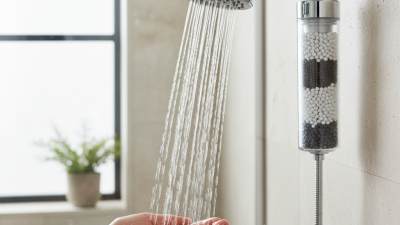
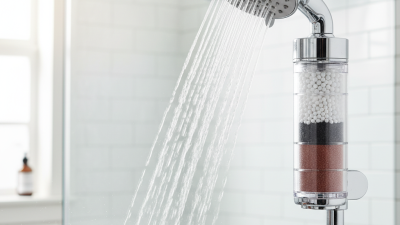
Look for filters with multi-stage filtration systems. These systems often use activated carbon and KDF media to remove a wider array of contaminants. Additionally, consider the filter’s flow rate. A good filter should effectively balance purification and water pressure. Some filters may reduce the water’s flow significantly, which can be frustrating during a shower.
Evaluate the maintenance requirements of the filter as well. Some models need regular cartridge replacements, while others offer long-lasting options. Choose one that fits your lifestyle and budget. Remember that a good filter does not just improve water quality; it also enhances your showering experience. Regular reflections on how your filter performs can lead to better choices in the future, ensuring that your investment continues to meet your needs over time.
Different Types of Shower Filters and Their Effectiveness
When selecting a shower filter, understanding the various types is crucial. The most common types include activated carbon filters, KDF (Kinetic Degradation Fluxion) filters, and Vitamin C filters. Activated carbon is effective in removing chlorine and other chemicals. However, it may not eliminate heavy metals or bacteria. KDF filters excel at filtering out heavy metals like lead and mercury. They also reduce chlorine levels significantly, improving water quality.
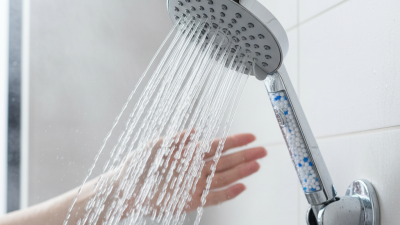
Vitamin C filters provide a unique solution. They neutralize chlorine and chloramine, offering a gentler approach for sensitive skin. This type of filter is effective, yet it may not last as long as others. Assessing your specific water quality can guide you in choosing the right filter. Testing water for contaminants can bring surprising results. Sometimes, a filter recommended for others may not be suitable for your situation. Personal experience varies widely; what works for one might not work for another.
Consulting professionals can enhance decision-making. However, reliance on experts doesn't guarantee perfect results. They might overlook specific needs, especially if they lack familiarity with your local water supply. Thus, it's essential to engage in personal research. Read multiple reviews, and consider community feedback. Balancing expert opinions with firsthand experiences often leads to the best choice.
Evaluating Filtration Technology: Carbon, KDF, and More
Choosing the right shower filter requires understanding filtration technologies.
Carbon filters are popular for their ability to remove chlorine and volatile organic compounds. In fact, studies show that activated carbon can reduce chlorine levels by as much as 99%. This is crucial for skin health and helps prevent dryness and irritation.
KDF (Kinetic Degradation Fluxion) technology is another option.
It works with copper-zinc alloy to combat bacteria and remove heavy metals. A report from the Environmental Protection Agency indicates that KDF can reduce lead and mercury by up to 99%. This is essential for maintaining both clean water and water quality over time.
Consider the specific contaminants in your water supply. A water testing kit can reveal issues you may not have noticed. Pay attention to local water quality reports, as different regions have unique challenges. Look for filters that address your primary concerns to maximize effectiveness. Regular maintenance matters as well. An overlooked filter can become a breeding ground for bacteria, undoing the benefits of filtration.
Budgeting for Your Shower Filter: Cost vs. Value Considerations
When budgeting for a shower filter, it’s crucial to weigh cost against value. Many filters may seem affordable initially but require frequent replacements. This adds up over time. It’s wise to consider longevity and efficiency. A slightly higher price tag may lead to longer intervals between replacements. This can ultimately save money.
Evaluate the materials used in the filters. Premium filters often include high-grade components. They can remove contaminants more effectively. This fact alone might justify a higher cost. Look for customer reviews that discuss performance. Authentic feedback helps gauge reliability and effectiveness.
Ask yourself what you truly need from a shower filter. Are you focused on chlorine removal or improving skin irritation? Aligning your budget with your priorities is essential. Reflect on your water quality and personal health needs. These considerations influence not only initial costs but also long-term value.