How to Choose the Best Shower Filter for Clean Water?
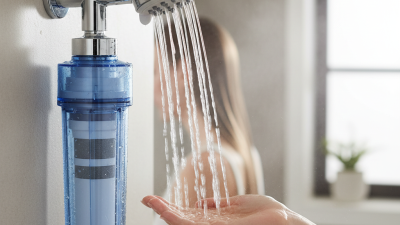
When it comes to clean water, the importance of a quality Shower Filter cannot be overstated. Many people overlook the contaminants lurking in their tap water, which can affect skin and hair. Factors like chlorine, heavy metals, and sediment may lead to dryness and irritation. A good Shower Filter promises to remove these impurities, enhancing your shower experience.
Choosing the right Shower Filter requires careful consideration. The market offers various options, each with different filtration systems and features. Understanding what contaminants are in your water supply is crucial. Many filters target specific issues, while others provide a more comprehensive solution. It is vital to research before making a decision, as not all products offer the same level of efficacy.
Not all Shower Filters are created equal. Price does not always reflect quality or performance. Some filters may seem effective initially but wear out quickly, providing less value over time. Reflecting on your specific needs and water quality will guide you in selecting a reliable Shower Filter, ensuring you enjoy clean, fresh water every time you step into the shower.
Factors to Consider When Selecting a Shower Filter for Clean Water
When selecting a shower filter for clean water, there are several crucial factors to consider. Start by identifying the contaminants present in your water supply. Testing kits are readily available and can help gauge levels of chlorine, heavy metals, or other impurities. Knowing what you're dealing with equips you to choose an effective filter.
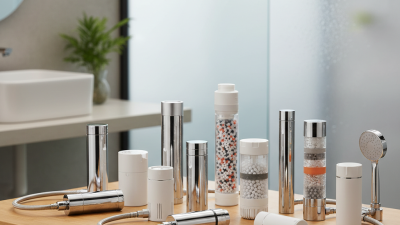
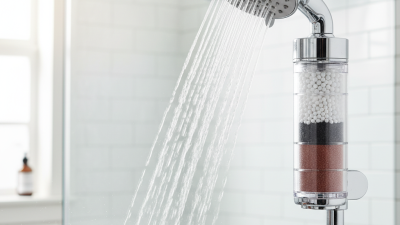
The filtration technology is another critical aspect. Different systems use various methods, such as activated carbon, multi-stage filtration, or KDF media. Research each option to understand how effectively it removes specific contaminants. Look for filters that have been independently tested for performance. Verify claims made by manufacturers for peace of mind.
Consider the ease of installation and maintenance. Some filters require professional help, whereas others are DIY-friendly. Regular maintenance is necessary to keep the filter effective. Check the lifespan of the filter cartridge and what replacement entails. Sometimes the most advanced filter may not be practical for everyday use. Balancing efficiency with convenience is key. This can lead to a more satisfying shower experience while ensuring your water quality remains high.
How to Choose the Best Shower Filter for Clean Water? - Factors to Consider When Selecting a Shower Filter for Clean Water
| Filter Type |
Contaminants Removed |
Flow Rate (GPM) |
Lifespan (Months) |
Price ($) |
| Activated Carbon Filter |
Chlorine, VOCs |
2.0 |
6 |
30 |
| KDF Filter |
Heavy Metals, Bacteria |
2.5 |
12 |
50 |
| Vitamin C Filter |
Chlorine, Chloramine |
2.2 |
8 |
45 |
| Multi-Stage Filter |
Chlorine, Fluoride, Heavy Metals |
2.0 |
12 |
70 |
Types of Shower Filters: Understanding Different Filtration Technologies
When selecting a shower filter, it's crucial to understand the various filtration technologies available.
Activated carbon filters are highly popular. They effectively remove chlorine and unpleasant odors. However, they may not filter out all heavy metals.
If you need comprehensive filtering, a multi-stage filter could be a better choice. These systems combine different technologies to tackle multiple contaminants.
KDF filters utilize a unique process. They use copper and zinc to reduce chlorine and harmful bacteria. This can enhance your shower experience, but some users may find the initial metallic smell off-putting.
Whole-house filters are another option. They provide clean water throughout your home, but they're often more expensive and require professional installation.
When choosing a filter, consider your specific needs. For example, what contaminants are present in your water supply?
A water test kit can provide this information. Remember that regular maintenance is essential for optimal performance.
Filters need to be replaced according to the manufacturer's guidelines to remain effective. This is an often overlooked aspect that can lead to unsatisfactory results.
Prioritize research and informed decisions to ensure you select the best option for clean water in your shower.
Performance Metrics: Evaluating the Effectiveness of Shower Filters
When choosing a shower filter, evaluating performance metrics is crucial. These metrics help measure how well a filter removes harmful contaminants from water. Studies show many shower filters can eliminate chlorine, heavy metals, and other impurities effectively when designed properly. For instance, a study published in the Journal of Water Supply Research found that high-quality filters can reduce chlorine levels by over 90%.
Another important metric is the flow rate. A filter that slows down water flow significantly may not be ideal, as it can affect the shower experience. The optimal flow rate for comfortable use is between 2 to 2.5 gallons per minute. Monitoring this can help you find a balance between performance and usability. Pressure loss is also a factor worth considering; filters that create excessive pressure loss should be reconsidered.
Additionally, understanding filter lifespan is vital. Many filters are only effective for a limited time, often ranging between 6 to 12 months depending on usage. Regular maintenance and timely replacements are necessary for continued effectiveness. Some users overlook this aspect, leading to ongoing exposure to contaminants. Always evaluate product specifications and consider any industry certifications to ensure you choose a reliable shower filter for your needs.
Installation and Maintenance: Ensuring Longevity and Optimal Function
Installing and maintaining a shower filter is key to ensuring clean water. Start by assessing your bathroom setup. A solid installation usually involves checking water pressure and ensuring the filter fits your showerhead properly. Most filters have a simple twist-on mechanism. However, without proper alignment, leaks can occur. Take your time with this step. Don’t rush; it's crucial for effective filtration.
Regular maintenance is essential for longevity. Many filters need replacement every six months to a year. This period can vary based on water quality and usage. Inspect the filter occasionally for signs of buildup. If water flow decreases significantly, it may indicate clogging. Cleaning the exterior regularly helps prevent mold and mildew. Remember, neglect can lead to reduced performance, making you reconsider your initial choice. Investing effort in installation and maintenance pays off in the long run.
Cost-Benefit Analysis: Investing in a Quality Shower Filter for Health Benefits
Investing in a quality shower filter can yield significant health benefits. Many people overlook the water quality in their showers. Chlorine and other contaminants can irritate skin and lungs. With rising awareness of these issues, it’s crucial to consider the potential impact on your health. A good filter can help reduce exposure to harmful substances. This is particularly important for families, children, and those with sensitive skin.
A cost-benefit analysis reveals several advantages. Quality filters might have a higher upfront cost but can last longer and perform better. This longevity translates to fewer replacements and less waste. Consider the savings on skin care products; many users report improved skin after using filtered water. Additionally, cleaner water can lead to a more pleasant shower experience.
However, it’s essential to do thorough research. Not all filters provide the same level of protection; some may only address specific contaminants. Make informed comparisons to ensure your investment pays off.