How to Choose the Best Shower Filter for Your Home?
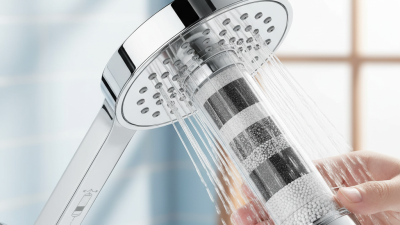
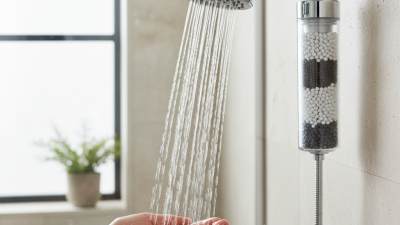
When it comes to creating a relaxing shower experience, a high-quality Shower Filter is crucial. Contaminants in tap water can affect your skin and hair negatively, leading to dryness or irritation. Choosing the right Shower Filter can significantly improve water quality and your overall well-being.
There are many options available, each claiming to be the best. It's important to consider factors like the type of filtration, ease of installation, and maintenance needs. Not all filters are created equal, and understanding your specific needs is key. You might find that what works for others doesn’t necessarily suit your preferences.
Take the time to read reviews and ask for recommendations. It's easy to get overwhelmed by marketing jargon, so focus on trusted brands. Reflect on your own water quality and how that influences your choice. A good Shower Filter should not only enhance your shower experience but also contribute to a healthier lifestyle.
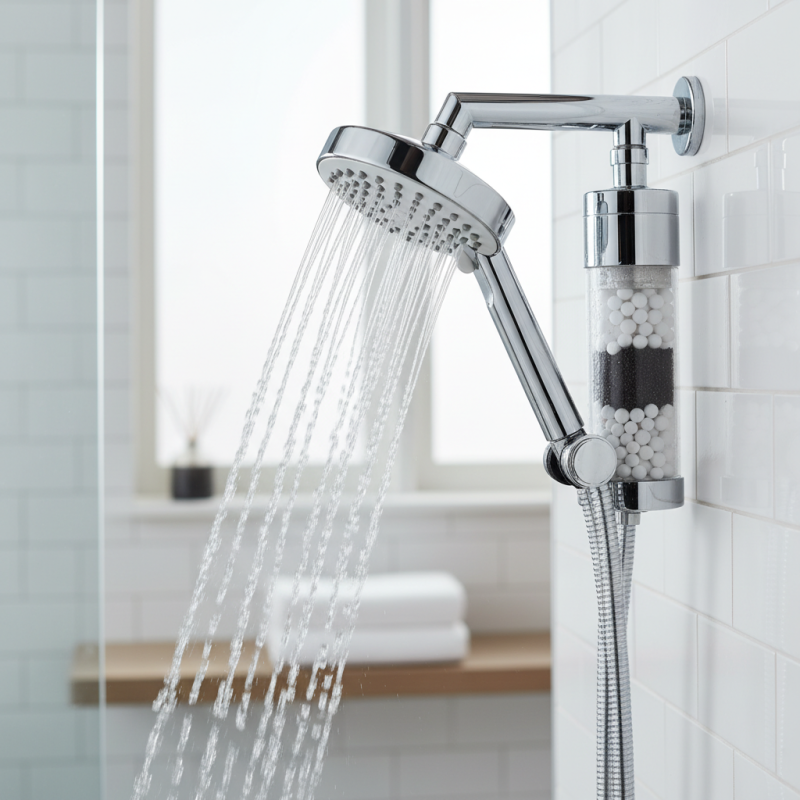
Understanding the Importance of Shower Filters for Health and Wellness
Shower filters play a crucial role in maintaining our health and wellness. Studies show that chlorine in shower water can lead to dry skin and hair. According to the Environmental Protection Agency (EPA), up to 60% of harmful chemicals can enter our bodies through skin absorption during showers. This makes choosing a suitable shower filter essential for safeguarding your health.
When selecting a shower filter, consider the specific contaminants in your water supply. For example, a report by the CDC highlights that hard water can cause skin irritation. Additionally, if you live in an area with high levels of chloramine, a specialized filter can help neutralize its effects. Look for filters that effectively reduce these harmful substances while promoting better skin hydration.
Tips for choosing the right filter:
- Review independent lab test results.
- Look for filters with multi-stage filtration systems.
- Ensure easy installation and maintenance.
Taking the time to select the appropriate shower filter can lead to healthier skin. It may seem daunting, but small adjustments can have significant impacts. Evaluating your water's quality and the potential risks is an effective approach to enhancing your overall wellness.
Key Considerations When Selecting a Shower Filter for Your Home
When selecting a shower filter for your home, several key considerations come into play. Firstly, you should assess your water quality. Many reports indicate that over 80% of U.S. households receive water with contaminants. Lead, chlorine, and bacteria are common concerns. Testing your water gives insight into which filter will best address your specific issues.
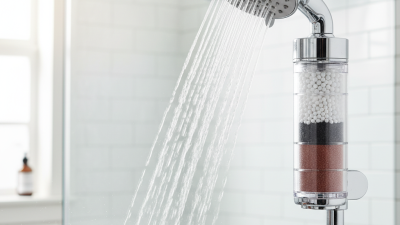
Another important aspect is the filter type. Activated carbon filters effectively reduce chlorine and odors, while KDF filters target heavy metals and bacteria. Some studies suggest combining filters to achieve broader contaminant removal. For efficient filtration, choose a system with a high flow rate. Filters that restrict water flow can be frustrating during showers.
Maintenance is also crucial. Check the filter lifespan and how often it needs replacement. Regular maintenance can enhance performance and ensure safe water. Many users overlook this, leading to diminished effectiveness. Weighing these factors carefully can lead to a better choice. Prioritize your needs and lifestyle to select the most fitting shower filter.
How to Choose the Best Shower Filter for Your Home? - Key Considerations When Selecting a Shower Filter for Your Home
| Feature |
Importance |
Considerations |
| Filtration Type |
High |
Choose between carbon, KDF, or ceramic filters based on water quality. |
| Installation |
Medium |
Opt for a filter that is easy to install without professional help. |
| Filter Lifespan |
High |
Check how long the filter lasts before needing replacement. |
| Water Pressure |
Medium |
Ensure the filter maintains good water flow and pressure. |
| Cost |
High |
Evaluate both the initial cost and the long-term maintenance costs. |
| Certification |
High |
Look for filters certified by NSF or other reputable organizations. |
| Aesthetics |
Low |
Choose a design that complements your bathroom decor. |
Types of Shower Filters and Their Effectiveness Against Contaminants
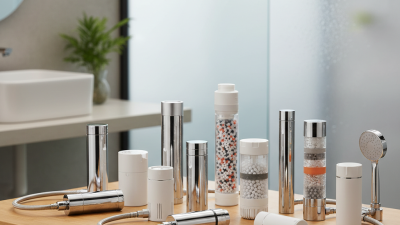
Choosing the right shower filter involves understanding the types and their effectiveness against various contaminants. There are several types of shower filters, each designed to target specific impurities. The most common types include activated carbon filters, KDF (Kinetic Degradation Fluxion) filters, and Vitamin C filters. According to a report from the Environmental Protection Agency (EPA), chlorine, a prevalent contaminant, can contribute to skin irritation and hair damage. Showers equipped with carbon filters can significantly reduce chlorine levels.
Activated carbon filters are known for their ability to adsorb chlorine and volatile organic compounds (VOCs). They can remove up to 99% of chlorine, as reported by industry experts. Meanwhile, KDF filters can effectively tackle heavy metals like lead and mercury. These filters work through a chemical reaction, costing more than carbon filters but providing a more diverse range of contaminant reduction.
There's also the Vitamin C shower filter, which neutralizes chlorine and chloramine, improving water quality for sensitive skin. Research indicates that Vitamin C can mitigate skin dryness. Depending on your specific water quality, a single type may not suffice. Testing your water is crucial to determine which filter best meets your needs. Not all filters are created equal; some may underperform based on your location's water supply.
Installation and Maintenance Tips for Your Chosen Shower Filter
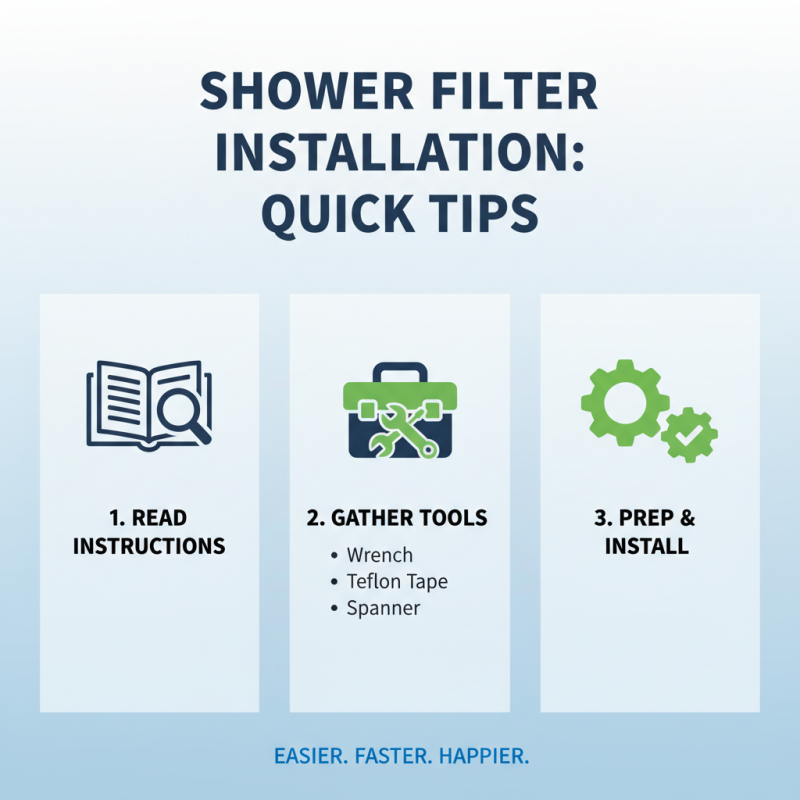
Installing a shower filter can be a game-changer for your home. Start by reading the manufacturer's instructions carefully. Each filter has unique requirements. Make sure to gather all necessary tools before you begin. Basic tools typically include a wrench, Teflon tape, and an adjustable spanner. Taking these initial steps can save you time and frustration.
When it comes to maintenance, regular checks are essential. Filters need replacement every six months to a year, depending on usage. It's a good idea to set a reminder on your phone. Checking the water quality periodically can help underline the filter's effectiveness. If you notice changes, it may indicate a need for replacement sooner.
Cleaning the outer casing can also keep your filter functioning well. Simply wipe it down with a damp cloth. However, remember to avoid harsh chemicals. These can damage the filter and affect its performance. Reflect on how you maintain your shower filter and adjust as needed. Regular attention will ensure you benefit from clean, safe water.
Comparing Costs and Brands to Find the Best Shower Filter Option
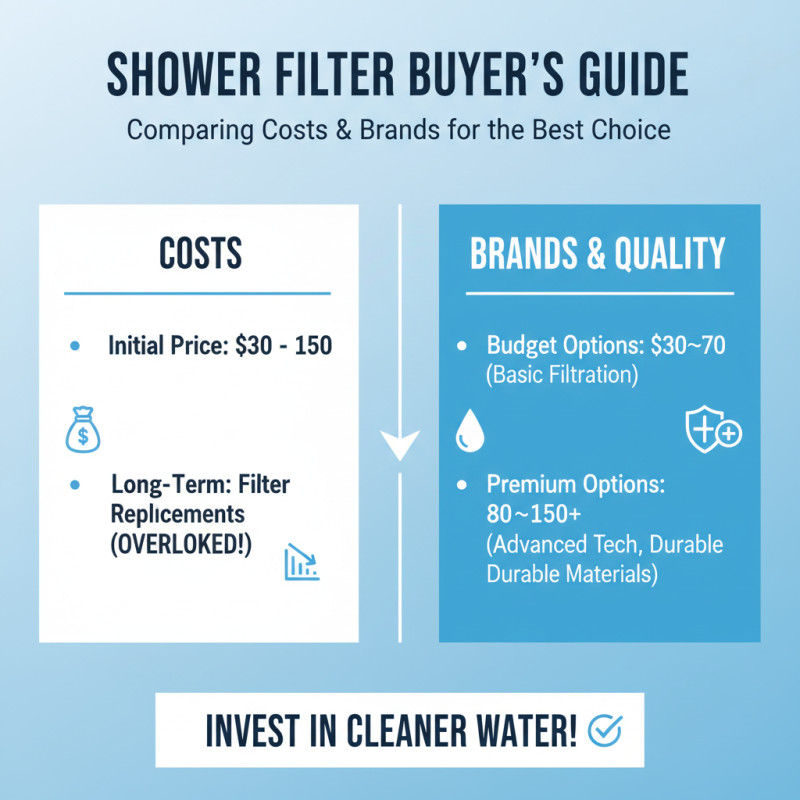
When choosing a shower filter, understanding costs and brands is crucial. Many consumers overlook the long-term expenses associated with filter maintenance. Reports indicate that a quality shower filter can range from $30 to $150. Higher-priced options usually offer better filtration technology and materials.
Brand comparisons reveal significant variations in effectiveness. A study found that filters from reputable brands can remove over 90% of chlorine and other contaminants. Yet, cheaper options sometimes fall short, providing only minimal filtration. Reliability often correlates with brand reputation, which is essential for ensuring clean water.
It’s also important to consider replacement costs. Filters typically need replacement every six months to a year. The expense can add up quickly. Some brands offer lower initial costs but require frequent replacements. This hidden cost could outweigh any savings from the initial purchase price. Selecting a reliable product involves examining specifications and user reviews, highlighting the need for diligent research.