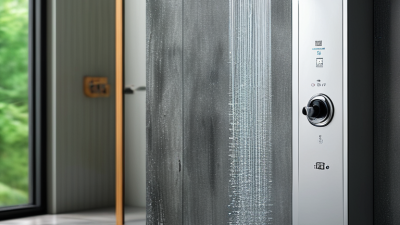
Choosing a reliable Transparent Shower Head supplier in China requires more than comparing prices. Product clarity, spray performance, material safety, and factory consistency all affect the final customer experience. A clear shower head should remain bright after repeated use, without cloudy surfaces, loose fittings, or uneven water flow. Small details matter.
This guide examines practical supplier-selection methods based on product evaluation, factory communication, and quality-control experience. It explains how to review samples, confirm materials, assess production capacity, and check leak-testing procedures. Buyers should also examine packaging strength, replacement-part availability, minimum order quantities, and realistic delivery schedules. A professional supplier should provide clear specifications and respond accurately to technical questions. Photos are useful, but physical samples reveal more.
No supplier is perfect. That matters.
A polished sample may not represent every production batch. Buyers should request batch records, inspection reports, and written agreements covering tolerances and defect handling. Independent quality inspections can add confidence before shipment, especially for large orders. Transparent Shower Head designs may also require careful testing because visible components expose scratches, color variation, and assembly marks. This guide offers a balanced framework for importers, distributors, retailers, and bathroom-product brands. It avoids exaggerated claims and focuses on evidence that can be checked. With careful comparison, documented communication, and realistic expectations, businesses can build dependable sourcing relationships while protecting product quality and customer trust.
A reliable transparent shower head supplier proves quality through repeatable work, not attractive photographs. During factory visits, inspect molding areas, assembly benches, and final inspection records. Clear plastic should look even, without bubbles, cloudy edges, or stress marks. Small flaws become obvious under bathroom lighting.
Ask for material details, water-flow tests, leak checks, and aging results. Polycarbonate and acrylic can behave differently under heat, impact, and cleaning chemicals. A capable engineering team explains those differences in plain language. It should also provide samples from normal production, not specially polished samples. Test the spray pattern, connector fit, and rotating parts yourself. Ten minutes of handling can reveal more than a sales presentation.
Reliable suppliers maintain batch records and controlled production drawings. They should identify who checks dimensions, seals, and surface finish. Packaging matters too; transparent parts need protective film, soft separators, and drop-tested cartons. Request realistic lead times and written responses for defects. Some suppliers answer quickly but avoid uncomfortable questions. That is a warning sign. No factory is perfect, and my own inspections have missed issues when samples were too few. A second sample round is often wiser. Long-term trust grows from visible evidence, honest corrections, and consistent shipments.
Choosing a transparent shower head supplier requires more than checking appearance. Material selection affects safety, durability, and long-term clarity. Polycarbonate offers strong impact resistance, while acrylic provides a bright, glass-like finish. Each material has weaknesses. Acrylic can scratch more easily, and polycarbonate may discolor under poor ultraviolet protection.
Look closely at the internal structure. A stainless steel inlet, reliable seals, and a stable spray plate can prevent leaks and uneven water flow. Silicone nozzles should feel flexible, not brittle. Anti-limescale designs are useful in hard-water areas, but their performance needs testing. Ask suppliers for flow-rate data, heat-resistance results, and sample inspection records. A clear body can reveal internal flaws. Tiny bubbles and stress lines are not always harmless.
Design customization should include shape, handle size, spray modes, surface texture, and packaging. Request technical drawings with exact dimensions and material grades. Color matching is harder with transparent parts because thickness changes the visual tone. I have seen attractive samples fail during assembly because threads were slightly misaligned. That detail is easy to miss. Before placing a large order, test several production samples for leaks, impact resistance, spray consistency, and surface clarity. Keep written approval records, since verbal promises are difficult to verify later.
This comparison summarizes common transparent shower head material options using indicative 1–5 evaluation scores. The criteria reflect practical sourcing considerations: optical clarity, impact resistance, heat suitability, and customization flexibility.
How to read the chart: Polycarbonate generally provides the strongest impact resistance and good customization potential, while tempered glass offers excellent heat suitability and a premium appearance. Acrylic delivers high clarity, whereas clear ABS is often selected for cost-sensitive designs and complex molded details.
China Best Transparent Shower Head Supplier Guide
A transparent shower head can reveal its own flaws. Look for cloudy plastic, uneven wall thickness, sharp seams, or trapped particles around the inlet. These details often indicate weak molding control. Ask the supplier for material specifications, batch records, pressure-cycle results, and leakage tests. For drinking-water-contact components, request compliance with NSF/ANSI/CAN 372, which limits lead content in wetted surfaces to a weighted average of 0.25%. Test reports should come from laboratories accredited to ISO/IEC 17025.
Water performance also needs verification. The U.S. EPA WaterSense showerhead specification allows a maximum flow rate of 2.0 gallons per minute, compared with the common 2.5 gallons per minute limit. It also requires at least 20% water savings without reducing performance. Check flow-rate results at different pressures, not only one factory setting. Inspect the spray plate, gasket, filter, and transparent housing after repeated hot-water exposure. A body may look perfect on day one. Stress cracking can appear later, especially near threaded connections.
Tips: Request samples from three production batches. Measure wall thickness at several points. Test temperature changes, drop resistance, and salt exposure. Confirm that the clear material is suitable for bathroom heat and cleaning agents. Do not rely on photographs. A supplier may provide attractive samples but inconsistent mass production. That risk deserves a second audit.
| Verification Dimension | Relevant Standard or Benchmark | Evidence to Request from the Supplier | Recommended Verification Method | Acceptance Criteria |
|---|---|---|---|---|
| Supplier quality-management system | ISO 9001 is an internationally recognized quality-management-system standard. Certification should be current and applicable to the manufacturing site and product scope. | Current certificate, certification scope, issuing certification body, factory address, and certificate-validity information. | Check the certificate number and scope with the issuing certification body. Confirm that the audited site is the same site producing the shower head. | Recommended Certificate is valid, site-specific, and covers plumbing or plastic-product manufacturing. |
| Product construction and drawings | Key dimensions should be controlled against approved engineering drawings, including inlet thread, faceplate diameter, nozzle geometry, seals, and internal flow path. | Controlled 2D drawings, bill of materials, revision history, critical-dimension list, and approved golden sample. | Compare mass-production samples with the latest drawing using calibrated gauges, thread gauges, calipers, and weighing equipment. | Required Samples conform to drawing tolerances and match the approved material and component list. |
| Transparent plastic material | Common transparent engineering plastics include polycarbonate, PMMA, and transparent ABS. The selected grade must be suitable for hot water, pressure, chemical exposure, and intended installation conditions. | Material declaration, resin grade, technical data sheet, safety data sheet, and material-lot traceability. | Verify resin identity and grade through documentation and, when risk warrants, independent FTIR or equivalent material identification testing. | Required Material identity is consistent with the approved specification and shows no unexplained substitution or excessive discoloration. |
| Water-contact material safety | NSF/ANSI/CAN 61 addresses health effects of drinking-water-system components. NSF/ANSI/CAN 372 limits lead content in covered plumbing products to a weighted average of 0.25% on wetted surfaces. | Applicable third-party certification, formulation declaration, lead-content report, and extraction or chemical-leaching test report. | Confirm that the report covers the exact model, wetted materials, production site, and target market. Use an accredited laboratory for independent testing where required. | Market-dependent Meets the legal and certification requirements of the destination market; no unauthorized wetted-material changes. |
| Flow-rate performance | In the United States, the federal showerhead maximum is generally 2.5 gallons per minute at 80 psi. The EPA WaterSense specification uses a maximum of 2.0 gallons per minute at 80 psi for qualifying products. | Flow-rate test report, flow restrictor specification, test pressure, water temperature, and calibration records. | Test multiple samples at defined pressures, including 20, 45, and 80 psi, using a calibrated flow meter or gravimetric method. | Required Flow rate complies with the destination-market limit and remains within the supplier’s declared tolerance. |
| Pressure resistance and leakage | ASME A112.18.1/CSA B125.1 is a commonly referenced North American standard for plumbing supply fittings. The applicable market standard must be confirmed before testing. | Pressure-test procedure, test pressure and duration, leakage results, applicable conformity report, and corrective-action records. | Conduct hydrostatic pressure and leakage tests on assembled products, paying particular attention to the inlet connection, transparent housing, gasket, and nozzle plate. | Required No visible cracking, bursting, permanent deformation, or leakage during and after the specified test. |
| Thermal aging and hot-water durability | Plastic parts and elastomers must tolerate the supplier’s declared operating temperature and repeated hot-water exposure without stress cracking or loss of sealing. | Temperature rating, elastomer specification, accelerated-aging test method, cycle count, and before-and-after inspection records. | Expose samples to repeated hot-water cycles at the intended operating range, then repeat pressure, leakage, appearance, and flow tests. | Recommended No cracking, clouding that affects inspection, deformation, seal failure, or unacceptable flow change. |
| Stress cracking and chemical resistance | Transparent plastics can be affected by chlorine, cleaning agents, oils, and incompatible thread-sealing compounds. | Chemical-resistance data, cleaning instructions, resin compatibility information, and test results for the intended use environment. | Expose representative samples to relevant cleaning chemicals and water-treatment conditions, followed by visual inspection and pressure testing. | Recommended No visible crazing, cracks, embrittlement, unacceptable haze, or pressure failure. |
| Spray pattern and nozzle consistency | Uniform water distribution should be maintained across the declared pressure range. Nozzle materials must be stable and securely retained. | Spray-pattern photos or videos, nozzle material specification, flow-distribution test data, and approved sample. | Compare samples at low, nominal, and high operating pressure. Inspect for blocked, misaligned, or uneven nozzles after durability testing. | Required Spray pattern is consistent with the approved sample and contains no abnormal jetting or persistent blocked outlets. |
| Mechanical assembly and connection | Inlet threads, washers, screens, restrictors, faceplates, and retaining components must be assembled according to the approved design. | Assembly work instructions, torque specifications, inspection checklist, component traceability, and first-article approval. | Perform thread-fit checks, torque checks, pull or retention checks where applicable, and repeated installation/removal testing. | Required Connection is secure, threads are undamaged, sealing components are correctly positioned, and parts do not loosen during use. |
| Visual quality of transparent parts | Transparent housings should be free from defects that could indicate weak molding, contamination, or poor process control. | Visual inspection standard with defect limits for bubbles, black spots, flow lines, weld lines, sink marks, scratches, haze, and color variation. | Inspect under defined lighting and viewing distance. Use agreed defect samples or a limit sample for consistent factory and incoming inspection. | Required No critical defects; cosmetic defects remain within the agreed limit sample and do not compromise strength or transparency. |
| Dimensional and batch consistency | Stable molding and assembly processes should produce consistent dimensions, weight, flow rate, and appearance across production lots. | In-process inspection records, statistical process-control data, lot numbering, and final-inspection reports. | Use a defined sampling plan such as ANSI/ASQ Z1.4 or an equivalent buyer-approved plan. Compare results across several production lots. | Recommended Critical characteristics meet the agreed acceptance level and every unit is traceable to a production lot. |
| Packaging and transport protection | Packaging must prevent impact damage, scratching, contamination, and deformation during normal transport and storage. | Packaging specification, carton-drop test record, inner-protection design, carton markings, and palletization method. | Perform a controlled drop or transport simulation on packed samples, then inspect for cracks, leakage, loose parts, and cosmetic damage. | Required Product arrives without cracks, leakage, missing components, or unacceptable surface damage. |
| Factory traceability and corrective action | A reliable manufacturer should be able to link raw materials, production dates, operators, inspection results, and shipped cartons. | Lot-code system, raw-material records, production logs, inspection records, complaint procedure, and corrective-action reports. | Conduct a traceability exercise from a finished carton back to the resin lot and production record, and review a sample corrective-action case. | Recommended Traceability is complete, records are retrievable, and nonconforming products are isolated and dispositioned. |
| Pre-shipment inspection | Final inspection should cover quantity, dimensions, appearance, function, flow rate, leakage, accessories, labels, and packaging. | Signed inspection report, sampling level, acceptance criteria, test equipment list, photographs, and nonconformance summary. | Use an independent inspector or buyer-approved quality team before shipment. Retain sealed reference samples from the inspected lot. | Required All critical tests pass, major defects remain within the agreed limit, and shipment matches the approved specification. |

Transparent shower heads usually cost about US$3–12 per unit for standard ABS models. Higher-priced versions may include reinforced acrylic, stainless-steel fittings, or adjustable spray modes. These figures are practical sourcing estimates, not fixed market prices.
Tooling can add US$800–3,000, depending on mold complexity. Ask for a full quotation, including packaging, testing, and delivery terms.
Minimum orders often range from 500 to 3,000 units. Custom colors or private packaging may require more. A small trial order is safer, although its unit price may be higher.
Request samples from the same production line. This detail matters. Clear plastic can hide stress marks, uneven plating, or weak threads.
Certification needs depend on the destination market. ISO 9001 supports production traceability, while material and water-contact testing should match local rules.
The U.S. EPA WaterSense specification limits showerheads to 2.0 gallons per minute. EPA product statistics report that an average family can save about 2,700 gallons of water annually with certified showerheads.
Suppliers should provide flow-rate reports, inspection records, and carton test results. Export support should cover HS-code guidance, commercial invoices, packing lists, and loading photos.
Incoterms must be written clearly. Some suppliers promise too much. Check independently.
Selecting a transparent shower head supplier requires more than attractive samples. Begin by defining the product specification, including flow rate, spray pattern, clear material, connection size, and pressure range. The United States Environmental Protection Agency’s WaterSense specification limits qualifying showerheads to 2.0 gallons per minute, compared with the federal maximum of 2.5 gallons. This benchmark helps buyers compare efficiency without relying on vague claims.
Ask suppliers for material declarations, laboratory flow reports, corrosion tests, and evidence of quality management. Clear plastics can yellow, craze, or reveal molding flaws after repeated heat exposure. Request samples from different production batches. I would not trust one polished sample alone. That was a common purchasing mistake in my early supplier reviews. Check thread accuracy, gasket fit, spray-nozzle consistency, and leakage after installation. The EPA estimates that an average family can save about 2,700 gallons of water annually by replacing older showerheads with WaterSense models, so measured performance matters.
Before signing, audit production capacity and confirm mold ownership, minimum order quantity, inspection points, packaging standards, and replacement-part support. A small pilot order can expose weak plating, uneven transparency, or delayed communication. Require a written corrective-action process and agree on acceptable defect limits. Supplier reliability should be measured through delivery records, inspection results, and response time, not presentation quality. Leave room for review. Even a technically capable supplier may need clearer drawings, tighter inspection criteria, or a more realistic launch schedule.