2026 Best Shower Water Filters for Clean and Safe Water?
In the quest for clean and safe water, the importance of a good Shower Water Filter cannot be overstated. According to Dr. Emily Carter, a renowned water quality expert, "Investing in a Shower Water Filter is a simple yet effective way to improve your health daily." With contaminants often lurking in tap water, a reliable filter can make a significant difference.
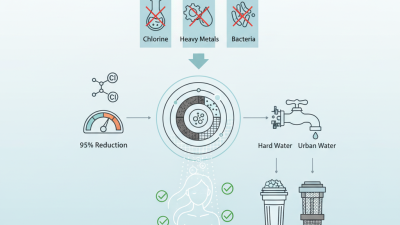
Contaminants like chlorine and heavy metals can affect skin and hair health. Moreover, these impurities may contribute to respiratory issues. A quality shower water filter can remove these harmful elements, leading to a fresher shower experience. This is not just about luxury; it’s about safety and well-being.
As consumers become more aware, the market for shower water filters continues to grow. However, not all filters are created equal. Some may offer limited filtration capabilities, leaving behind certain pollutants. Choosing the right Shower Water Filter matters. It is crucial to consider your specific needs and available options. Reflections on these choices can lead to better health outcomes.
Overview of Shower Water Filters and Their Importance
Shower water filters play a vital role in improving water quality. They help remove harmful contaminants often found in tap water. Studies indicate that nearly 80% of U.S. water supplies contain chlorine and other impurities. These chemicals can lead to skin irritation and respiratory issues.
The benefits of using a shower filter extend beyond just cleaner water. Research shows that people exposed to chlorinated water may absorb more chemicals through their skin than by drinking it. This fact raises concerns for daily shower users. Installing a shower filter can significantly reduce chlorine exposure, improving skin health and overall well-being.
While the advantages are clear, not all shower filters are created equal. Some may not remove all contaminants. It's essential to choose filters based on reliable data. Be aware that not every household has the same water quality. Periodic testing of your water can help identify the specific needs you may have. Each person's experience may differ, so understanding your water source will lead to better choices.
2026 Best Shower Water Filters Performance Comparison
Types of Shower Water Filters and How They Work
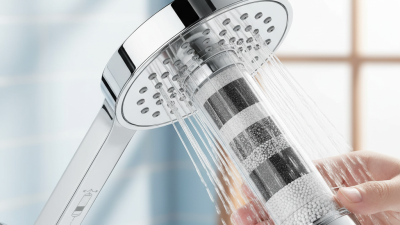
Shower water filters come in several types, each designed to improve water quality. Carbon filters are the most common choice. They effectively reduce chlorine and other chemicals, making your shower experience more pleasant. These filters are easy to install and maintain, allowing for a hassle-free upgrade to your shower.
Another type is the vitamin C filter. This filter uses ascorbic acid to neutralize chlorine and chloramines. It is especially popular among those with sensitive skin. Vitamin C filters enhance the feel of the water, providing a softer experience. However, they may require more frequent replacements, which can be a consideration for some users.
While many filters claim to offer the best results, effectiveness can vary by model. Some users notice little difference in water quality. It's crucial to research options and read reviews before making a purchase. Finding the right filter often involves trial and error. Evaluating personal needs and water conditions can lead to better choices.
Key Features to Look for in a Shower Water Filter
When selecting a shower water filter, several key features come into play. Look for filters that effectively reduce chlorine levels, as this chemical can dry out skin and hair. Choose filters with multi-stage filtration systems. These systems address various contaminants, ensuring a comprehensive solution for your shower water.
Next, consider the filter's flow rate. A good filter should not impede water pressure, allowing for a refreshing shower experience. Some filters may also have a built-in indicator to signal when it’s time for a replacement. This feature contributes to maintenance ease and ensures continued effectiveness.
Lastly, pay attention to installation features. Filters that require minimal tools save you time. While some may prefer the complexity of advanced models, simplicity often leads to better user satisfaction. Evaluate product reviews carefully, noting both positive highlights and common pitfalls. This balanced approach can help you make an informed decision.
Top 2026 Shower Water Filters: Reviews and Comparisons
When it comes to showering, water quality can significantly impact health and skin. Many shower water filters help remove harmful chemicals like chlorine and heavy metals. According to a study by the Environmental Working Group (EWG), chlorinated water can result in skin irritations and respiratory issues. Therefore, investing in an effective shower water filter becomes crucial for maintaining healthy skin and reducing irritations.
Recent consumer reports indicate that filters using activated carbon technology provide effective removal of chlorine and other contaminants. Some models are shown to reduce chlorine levels by over 90%. Additionally, a report from the American National Standards Institute suggests that filtration systems must meet strict criteria to ensure efficacy and safety. The right filter system makes a noticeable difference in water quality, producing softer water for showers.
However, not all filters perform equally. Some may have a shorter lifespan or need frequent replacements, leading to additional costs. Furthermore, testing methodologies vary among filters, which can affect their reliability. It's essential to look for user reviews and third-party certifications to ensure a filter’s claims are valid. Ultimately, a research-backed approach will help users make informed decisions when choosing the best shower water filter for their needs.
Installation and Maintenance Tips for Shower Water Filters
When choosing a shower water filter, installation is crucial. Begin by reviewing the product manual thoroughly. Gather necessary tools like wrenches and tape. A precise installation ensures effective filtration. Many users overlook the importance of tightening connections. Loose fittings can lead to leaks and diminished performance.
Regular maintenance is vital for long-lasting usage. Check your filter every few months. Replace it according to the manufacturer's guidelines. Waiting too long can lead to reduced water quality. Some users forget to track replacement dates, risking exposure to unfiltered water. Cleaning the filter housing should not be neglected either. A quick rinse can prevent buildup and prolong filter life.
Lastly, remember that water quality may vary. Test your water periodically to understand the filter's effectiveness. Monitor for changes in taste and odor. Filters may not catch every contaminant. It’s a good practice to stay informed about local water issues. Making note of these factors will enhance your shower water experience.