





Why a Filtering Shower Head is Key for Radiant Skin and Hair

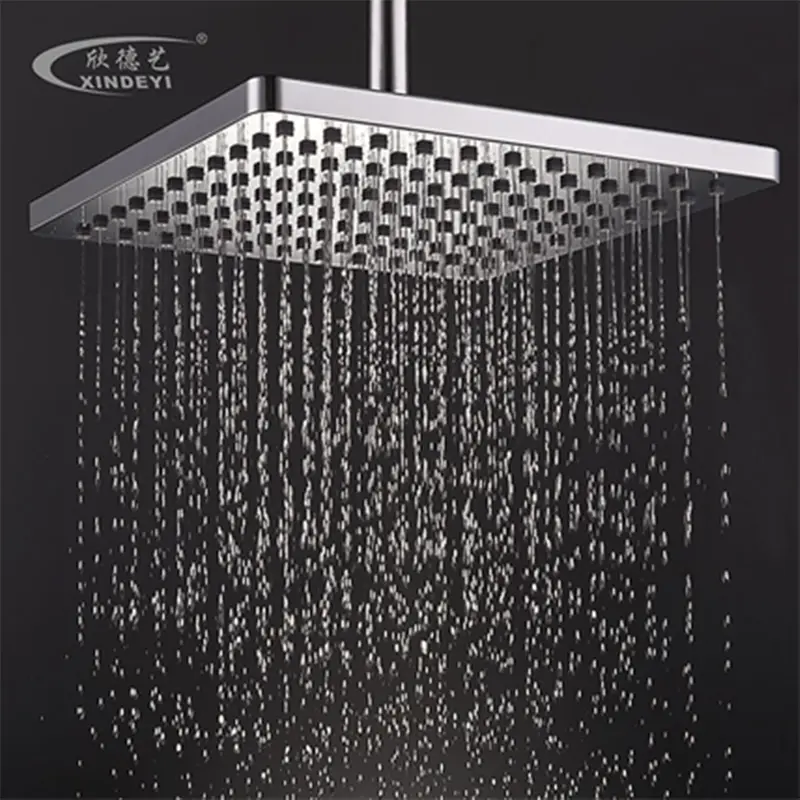
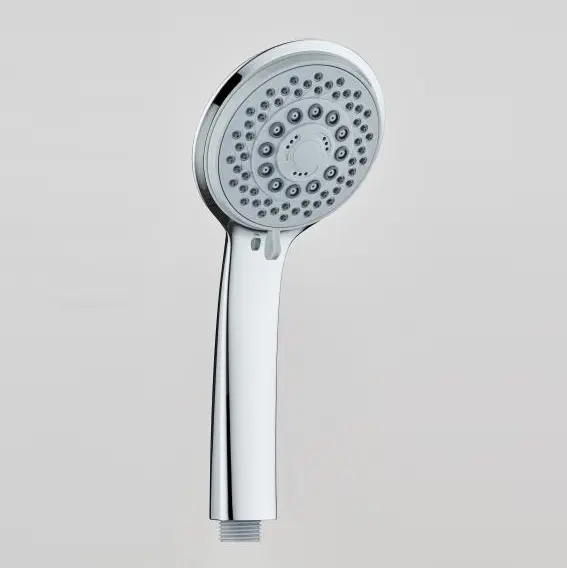
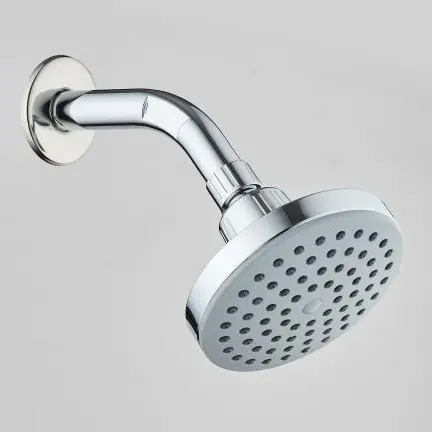
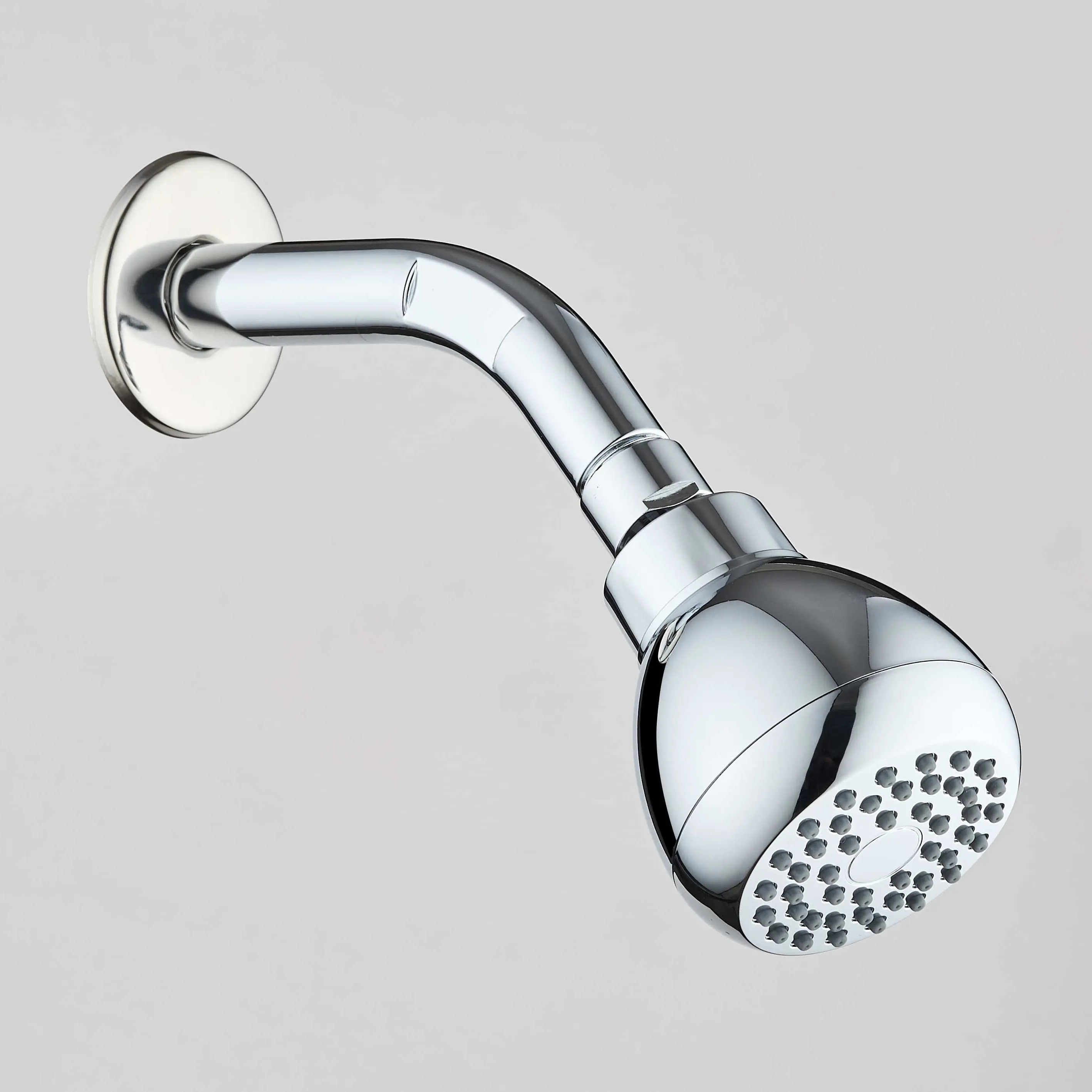
Unfiltered tap water significantly impacts skin and hair health. A 2025 survey revealed 11% of respondents identified this as a major concern. The immediate need for a solution to combat water impurities is clear. An equal percentage also sought to reduce skin and hair irritation. A Premium Filtering Shower Head offers a transformative solution. This Shower Filter, often a High Pressure Shower Head With Filters, purifies water.
Unmasking the Culprits: How Unfiltered Water Harms Your Skin and Hair
Unfiltered tap water often contains various impurities. These contaminants can significantly affect skin and hair health. Understanding these hidden culprits is the first step toward achieving radiant skin and hair.
Common Contaminants in Tap Water
Tap water across different regions contains a range of common pollutants. In California, for example, common contaminants include arsenic, nitrate, and 1,2,3-trichloropropane (1,2,3-TCP). Arsenic originates from natural deposits or agricultural runoff. Nitrate often comes from fertilizers. Both pose health risks. Widespread PFAS contamination also affects millions of people. In urban areas like Los Angeles, arsenic levels have exceeded health guidelines. Wildfires can introduce chemicals like benzene into water supplies. Lead from older plumbing also presents a concern.
Specific contaminants in places like Santa Maria include arsenic, nitrate, uranium, and disinfection byproducts (DBPs) such as total trihalomethanes (TTHMs) and haloacetic acids (HAAs). Hard water and pesticide pollution are also prevalent. Beyond these, other common tap water contaminants include:
- Hard Water Minerals (Calcium & Magnesium)
- Chlorine & Chloramines
- Pesticides & Herbicides
- Lead & Heavy Metals
- Fluoride
- Microplastics & Emerging Contaminants
A USGS study found at least one type of PFAS in nearly half of U.S. tap water. The most frequently detected PFAS compounds were PFBS, PFHxS, and PFOA. Higher PFAS exposure occurred near urban areas and potential sources, including the Great Plains, Great Lakes, Eastern Seaboard, and Central/Southern California regions. The probability of PFAS not being observed in tap water is estimated at 75% in rural areas and 25% in urban areas.
The Drying Effects of Chlorine and Chloramines
Chlorine, a common disinfectant in tap water, significantly impacts skin and hair. It disrupts the skin's natural pH balance. This makes skin more susceptible to bacterial infections and inflammation. Chlorine penetrates the hair cuticle. It breaks down proteins that give hair strength and elasticity. This leads to brittleness, split ends, and color fading. The chemical reaction between chlorine and hair proteins creates a rough, porous surface. This surface tangles easily and lacks natural shine. Chlorine also acts as an oxidizing agent. It breaks down hair dye molecules, causing premature fading and uneven color distribution.
Chlorine breaks down keratin, a protein found in both skin and hair. This leads to structural damage. It disrupts sebum production on the scalp. Sebum normally hydrates and protects hair. This makes hair vulnerable to dryness and environmental damage. Chlorine's corrosive nature irritates the scalp. It causes redness, itchiness, flakiness, and dandruff. It also weakens hair follicles, potentially leading to thinner, more fragile hair. Chlorine deteriorates the hair's cuticle. This makes hair brittle, prone to breakage, and split ends. It also increases hair porosity.
For skin, chlorine's oxidizing and irritant effects disrupt its delicate balance. It strips away essential components like keratinocytes (cells producing keratin) and ceramides (natural oils). This disrupts the epidermis's structure. It lowers sebum production and hinders moisture retention. Chlorine also kills beneficial bacteria in the skin's microbiome. It alters the skin's pH. This diminishes the skin's ability to counter free radicals. Hot water intensifies these effects. Over time, this weakens the skin. It leads to dryness, irritation, and impaired barrier function. It can exacerbate conditions like eczema and accelerate premature aging. Chlorine also reacts with natural organic matter. This forms disinfection by-products (DBPs) like trihalomethanes (THMs). These can penetrate the skin.
Chlorine oxidizes lipids that keep skin soft and hair cuticle smooth. This strips protective oils (sebum) from the scalp and skin. It increases transepidermal water loss (TEWL) and itch. Chlorine oxidizes hair proteins. This weakens disulfide bonds and roughens the cuticle. It results in frizz, split ends, and lost shine. Chlorine accelerates color fade in dyed or highlighted hair. It irritates sensitive and eczema-prone skin, especially after hot showers. Chloramines, formed when chlorine reacts with organic matter, can be even more irritating to the skin than chlorine itself. They potentially lead to increased dryness and irritation.
Hard Water Minerals: The Silent Aggressors
Hard water contains high levels of dissolved minerals, primarily calcium and magnesium ions. These minerals are silent aggressors against healthy skin and hair. These minerals react with fatty acids found in shampoos, conditioners, or natural scalp oils. This chemical reaction forms insoluble salts. These salts do not rinse away easily. They accumulate on hair shafts and the scalp. This creates a gritty film. This film can make the scalp feel coated, itchy, and difficult to cleanse. This buildup can interfere with natural exfoliation. It traps dead skin cells, blocks pores, and leads to inflammation.
Similarly, these minerals react with soap molecules. This creates sticky deposits known as soap scum. This soap scum clings to the scalp, hair, and shower surfaces. It forms a stubborn layer. This layer blocks pores, traps sweat and microbes. It interferes with the effectiveness of hair products. This leads to a cycle of dryness and buildup. The high mineral content in hard water interacts with shampoos and conditioners. This leads to the formation of a residue. This residue builds up on hair. It makes hair feel dull, lifeless, and strips its natural sheen. These minerals also strip away natural oils. This leaves hair dry, brittle, and prone to breakage.
For skin, hard water minerals interfere with soaps and cleansers. This causes soap scum to build up. This residue makes skin feel less clean. It contributes to dryness and irritation. It impacts the skin's ability to retain moisture by stripping natural oils. This can leave skin feeling tight, dry, and flaky. It can also clog pores, potentially leading to acne. A Premium Filtering Shower Head effectively addresses these issues.
Heavy Metals and Their Detrimental Impact
Tap water can also contain various heavy metals. These metals pose significant risks to skin and hair health. Common heavy metals found in tap water include:
- Arsenic
- Cadmium
- Nickel
- Mercury
- Chromium
- Zinc
- Lead
Sources of these metals vary. Lead often comes from lead pipes, brass fixtures, or older well components. Copper pipes can also leach copper into the water. Heavy metals can bind to proteins. They deposit on hair shafts. They disrupt the skin barrier microbiome. At higher systemic exposures, they can trigger telogen effluvium (shedding).
Lead exposure can lead to duller hair with increased breakage. This occurs due to metal deposition and oxidative stress. It can also cause sensitive, rash-prone skin, especially if the skin barrier is already compromised. Arsenic exposure is associated with dry, fragile skin. It can cause hyper/hypopigmented 'raindrop' spots. It also leads to thickening on palms/soles. It increases the risk for keratinocyte cancers. Arsenic also makes hair brittle. Thallium exposure is strongly linked to alopecia (diffuse hair loss). Dr. Blyumin-Karasik states that high concentrations of heavy metals, including lead, calcium, copper, zinc, and iron, can negatively affect skin and hair. This occurs even at levels passing safety margins. They alter skin surface chemistry and oil composition. They also interact with cleansers and soaps.
The Science Behind a Premium Filtering Shower Head for Purity
A Premium Filtering Shower Head represents a significant advancement in personal care technology. It transforms ordinary tap water into a purer, healthier stream. This section explores the scientific principles and mechanisms these devices employ to achieve superior water quality for skin and hair.
Multi-Stage Filtration: How It Works
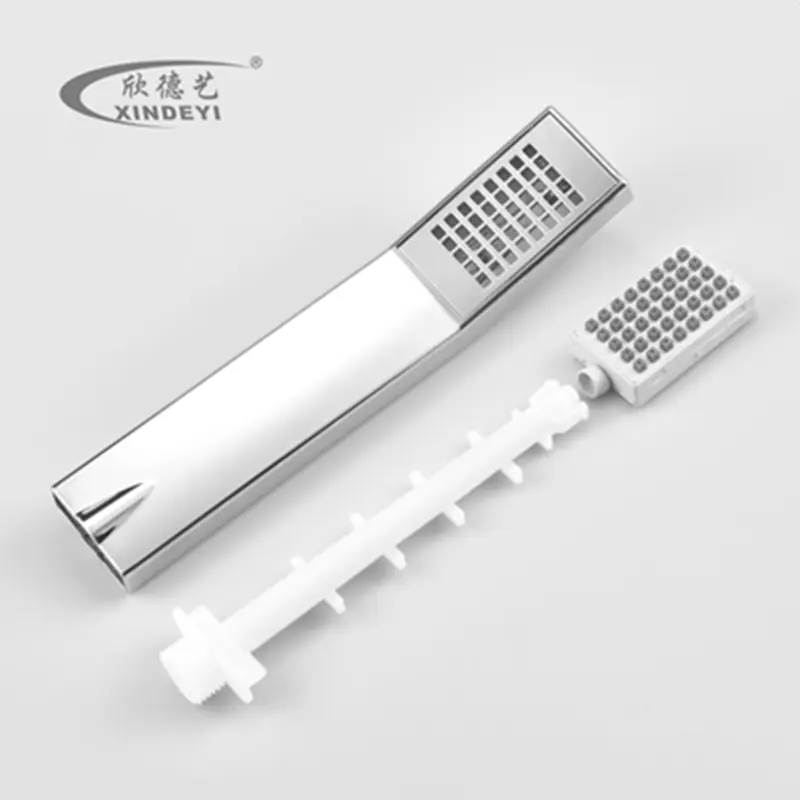
Multi-stage filtration is the cornerstone of an effective filtering Shower Head. This process involves passing water through several distinct layers of filter media. Each layer targets specific contaminants. This comprehensive approach ensures a broad spectrum of impurities are removed before water reaches the skin and hair.
Typical stages of filtration in these systems include:
- Sediment filters: These initial layers remove larger particles like rust or sand.
- Chlorine reduction: Filters specifically eliminate a significant amount of chlorine, which can irritate skin and eyes and cause unpleasant odors.
- Heavy Metal Removal: These stages target potentially harmful metals such as lead or mercury.
- KDF medium: This adaptable filtration method helps reduce bacteria growth, heavy metals, and chlorine.
- Activated carbon: A porous substance captures various pollutants, including taste and odor contaminants, organic compounds, and chlorine byproducts.
For more advanced models, such as 20-stage Filtered Shower Heads, additional stages may include more targeted filtration for specific contaminants like fluoride, chloramines, or volatile organic compounds (VOCs). Some models also offer enhanced benefits, such as increased vitamin C/E infusion for hair and skin.
Various filter media contribute to this multi-stage purification. Activated carbon adsorbs chlorine, chloramines, and VOCs. KDF (Kinetic Degradation Fluxion) uses a redox process to remove chlorine and heavy metals. Calcium sulfite effectively removes chlorine, especially at higher temperatures. Ceramic filters mechanically remove sediment and larger particles. Ion-exchange resins replace hard water minerals with more desirable ions. Polypropylene sediment filters primarily remove larger suspended particles.
Here is a detailed look at common filter media and their functions:
| Filter Media | How It Works |
|---|---|
| Activated Carbon | Adsorbs chlorine, chloramines, VOCs, and other organic impurities, improving water taste and odor. |
| KDF (Kinetic Degradation Fluxion) | Uses a redox (reduction-oxidation) process to remove chlorine, heavy metals (lead, mercury, copper), and inhibit bacterial growth. |
| Calcium Sulfite | Highly effective at removing chlorine, especially at higher temperatures, and can also reduce some heavy metals. |
| Ceramic Filters | Mechanically filter out sediment, rust, and larger particles. Some advanced ceramic filters can also reduce bacteria and cysts. |
| Ion-Exchange Resins | Replace unwanted ions (like calcium and magnesium, which cause hard water) with more desirable ones (like sodium), reducing scale buildup and improving lathering. |
| Micro-filtration Membranes | Use tiny pores to physically block and remove bacteria, protozoa, sediment, and other microscopic particles. |
| Polypropylene Sediment Filters | Primarily remove larger sediment, dirt, rust, and other suspended particles, protecting other filter media. |
| Vitamin C (Ascorbic Acid) | Neutralizes chlorine and chloramines, making it a good option for those with chlorine sensitivities. |
| Zeolite | Adsorbs heavy metals, ammonia, and some organic compounds, and can also soften water to some extent. |
| Magnets | Claimed to alter the molecular structure of hard water minerals, preventing them from forming scale, though scientific evidence for this is limited. |
| Infrared Balls | Claimed to emit far-infrared rays that break down water clusters, making water more absorbable and potentially improving skin and hair health, but scientific evidence is limited. |
| Tourmaline | A mineral that, when in contact with water, is said to emit negative ions and far-infrared rays, potentially improving water quality and skin/hair health, though scientific evidence is limited. |
| Sand/Gravel | Used as a pre-filter to remove larger sediment and debris, protecting finer filtration stages. |
| GAC (Granular Activated Carbon) | Similar to activated carbon, it's effective at removing chlorine, taste, and odor, and some organic contaminants. |
| Catalytic Carbon | A specialized form of activated carbon that is particularly effective at removing chloramines, hydrogen sulfide, and other difficult-to-remove contaminants. |
| Activated Alumina | Primarily used for fluoride and arsenic removal, though less common in Shower Filters. |
| Reverse Osmosis | A highly effective filtration method that removes a wide range of contaminants, but typically not practical or necessary for shower filters due to water pressure and waste water considerations. |
| UV Light | Kills bacteria, viruses, and other microorganisms by disrupting their DNA, but does not remove chemical contaminants or sediment. |
| Ozonation | Uses ozone to oxidize and disinfect water, killing bacteria and viruses and breaking down some chemical contaminants, but not typically found in residential shower filters. |
| Multi-stage Filtration | Combines several of the above media in layers to provide comprehensive filtration, targeting a wider range of contaminants and improving overall effectiveness. |
Eliminating Chlorine and Chemical Impurities
Filtering shower heads excel at removing chlorine and other chemical impurities. KDF filters are highly effective in this regard. They remove more than 99% of chlorine in home water treatment systems. For Shower Water Filters, the removal rate is typically 90%, primarily due to higher flow rates. The mechanism involves converting free chlorine into a benign, water-soluble chloride salt.
Activated carbon filters also play a crucial role in eliminating chemical impurities. Their effectiveness stems from their porous structure and adsorption capabilities. This provides a large surface area for contaminants to adhere to. Adsorption is the primary mechanism. Molecules from a gas, liquid, or dissolved solid adhere to the surface of the activated carbon, trapping impurities within its pores. Activated carbon has a high affinity for organic molecules due to its chemical composition, further enhancing its adsorption capacity. The activation process, involving thermal exposure, creates an intricate network of microscopic pores. This dramatically expands the surface area and enhances adsorption capacity. This expansive surface structure provides numerous active sites for pollutant capture. For example, one pound of activated carbon can have a surface area equivalent to 100 acres. Contaminants like chlorine, volatile organic compounds (VOCs), and certain chemicals adhere to the carbon as water flows through the filter. This process also effectively removes chlorine taste and odor from municipal tap water.
Reducing Hard Water Minerals and Scale Buildup
Hard water minerals, primarily calcium and magnesium, contribute to skin dryness and hair dullness. Filtering shower heads address these issues through specific media. Ion-exchange resins work by replacing unwanted ions, like calcium and magnesium, with more desirable ones, such as sodium. This process reduces scale buildup and improves lathering. Zeolite, another filter medium, also adsorbs heavy metals and some organic compounds. It can soften water to some extent. While magnets are sometimes claimed to alter the molecular structure of hard water minerals to prevent scale, scientific evidence for this remains limited. The primary methods rely on chemical exchange or adsorption to mitigate the effects of hard water.
Trapping Heavy Metals and Sediment
Heavy metals and sediment pose significant threats to water quality. Filtering shower heads employ various stages to trap these harmful substances. KDF media, as mentioned, use a redox process to remove heavy metals like lead, mercury, and copper. Ceramic filters mechanically filter out sediment, rust, and larger particles. Some advanced ceramic filters can also reduce bacteria and cysts. Polypropylene sediment filters serve as a crucial pre-filter. They remove larger sediment, dirt, rust, and other suspended particles. This protects the finer filtration stages from premature clogging. These combined efforts ensure the water reaching your skin and hair is free from these detrimental contaminants.
Experience the Transformation: Benefits of a Premium Filtering Shower Head

Upgrading to a Premium Filtering Shower Head offers a profound transformation for daily personal care. This advanced system delivers tangible benefits for skin and hair health. Users experience noticeable improvements in hydration, strength, and overall vitality.
Achieving Hydrated, Softer Skin
Filtered water significantly contributes to healthier, more hydrated skin. It actively reduces chlorine, a common culprit that strips natural oils from the skin. This action helps maintain the skin's crucial moisture balance and lessens the risk of issues like eczema and dermatitis. Filtered water also eliminates hard water minerals, which often leave a dry, irritating residue on the skin, promoting a smoother skin texture. Furthermore, filtered water helps maintain a skin-friendly pH level. This is vital for preventing dryness and irritation, especially since some water sources have an imbalanced pH.
Research indicates that shower water frequently contains chlorine, heavy metals, and microplastics. These substances harm the skin by causing dryness, irritation, and swelling. Chlorine, in particular, strips the skin's natural oils, leading to a tight and dry sensation. Studies have shown that using shower filters, such as those with KDF-55 and catalytic carbon, effectively remove these harmful substances. Consequently, many studies demonstrate that individuals with sensitive skin experience fewer problems and report softer, more moist skin after switching to filtered showerheads. Dermatological studies have also shown that removing chlorine and minerals from shower water leads to improved skin hydration, reduced irritation, and enhanced barrier recovery. For instance, research published in the Journal of Cosmetic Dermatology (Zhang Y. et al., 2019) highlighted the impact of chlorine on human skin barrier function. Other studies, like those in Dermatologic Therapy (Kim H. et al., 2020), further support the effect of filtered water on skin hydration and barrier recovery.
Promoting Stronger, Shinier Hair
The absence of chlorine and hard water minerals positively impacts hair health, leading to stronger, shinier strands. Chlorine, commonly used in public water systems, possesses strong oxidizing properties. These properties strip hair shafts of natural oils and proteins, leading to increased breakage and dullness. Filtered water removes chlorine, preventing this damage. Hard water contains excess minerals like calcium, iron, and magnesium. These minerals make hair difficult to manage and style, and they also cause damage. Water softeners or conditioners, integrated into filtering shower heads, remove or neutralize these minerals. This results in softer, shinier, and more manageable hair.
While some studies, such as a 2013 investigation, found no statistically significant difference in the tensile strength or elasticity of hair treated with hard water versus distilled water over a 30-day period, the long-term benefits are clear. The absence of chlorine prevents the drying effect that overexposure causes, contributing to better hair health. Mineral deposits from hard water, such as magnesium, can accumulate on hair. Individuals with higher levels of these deposits often perceive their hair health as worse, even if microscopic damage is not immediately visible. The absence of these minerals prevents such accumulation and improves perceived hair health. By removing minerals and chemicals that strip hair of its natural properties, filtered water reduces dryness and breakage. This helps maintain fuller and thicker hair while restoring its natural shine.
Alleviating Skin Irritation and Scalp Issues
Unfiltered tap water often exacerbates various skin irritations and scalp conditions. Common issues include dry or flaky hair and scalp, dandruff, seborrheic dermatitis, frizz, dry or itchy skin, irritation, rashes, hives, acne, eczema, and psoriasis. Unfiltered water, containing mineral buildup and chemicals like chlorine, strips hair and scalp of natural oils. This results in dry, dull, and frizzy hair. For the skin, chlorine dehydrates the skin and causes inflammation and irritation, exacerbating conditions like eczema and general skin sensitivity.
A filtering shower head significantly contributes to reducing these symptoms. Chlorinated tap water strips natural protective oils from skin and hair, leading to scaling, irritation, and dry skin. This exacerbates conditions like eczema, psoriasis, and dandruff. Filtered shower heads regulate chlorine, thereby reducing the risk of these skin conditions. They also remove pollutants, chemicals, and other particles from water, helping to balance pH levels and infuse healthy minerals into the skin and hair. Hard water, with its high levels of calcium and magnesium, can damage the skin barrier. This barrier is crucial for keeping out harmful substances and sealing in moisture. Damage to the skin barrier by hard water increases the risk and worsens symptoms of eczema. Minerals in hard water can lower skin pH, affecting barrier function, and bind to soap surfactants, making it harder to rinse. This leads to residue that irritates skin and worsens conditions like seborrheic dermatitis (dandruff).
Enhancing Hair Color Longevity
For individuals with color-treated hair, unfiltered water poses a significant threat to color longevity. Chlorine has oxidizing properties. These oxidizing properties damage the pigment molecules in the hair. This damage leads to color fading and dullness, especially with long-term exposure. Furthermore, the higher pH of water, which is often more alkaline than hair's natural pH, can open the hair cuticle. An open cuticle exposes hair to minerals present in hard water. Hard water contains minerals like calcium, magnesium, and iron. These minerals get into the hair during washing, causing discoloration and a brassy appearance. By removing these harmful elements, a Premium Filtering Shower Head helps seal the hair cuticle and protect color pigments. This ensures hair color remains vibrant and true for a longer period.
Filtered water helps individuals reclaim their skin's natural glow and hair's vitality. A Premium Filtering Shower Head offers an essential investment for daily well-being. This device transforms shower routines. People can take this step towards a healthier, more refreshing shower experience, ensuring lasting benefits for their skin and hair.
FAQ
How often does one need to replace the filter in the Premium Filtering Shower Head?
Users should replace the filter every 6 to 8 months. This ensures optimal performance and continuous access to purified water. Regular replacement maintains the effectiveness of the filtration system.
Is the Premium Filtering Shower Head difficult to install?
Installation is straightforward. Users can easily attach the shower headto an existing Shower Arm. No special tools or professional assistance are necessary. The process takes only minutes.
Can the Premium Filtering Shower Head alleviate sensitive skin conditions?
Yes, it significantly reduces chlorine and impurities. This helps soothe sensitive skin and alleviate conditions like eczema by preventing irritation and dryness. Many users report improved skin comfort.