




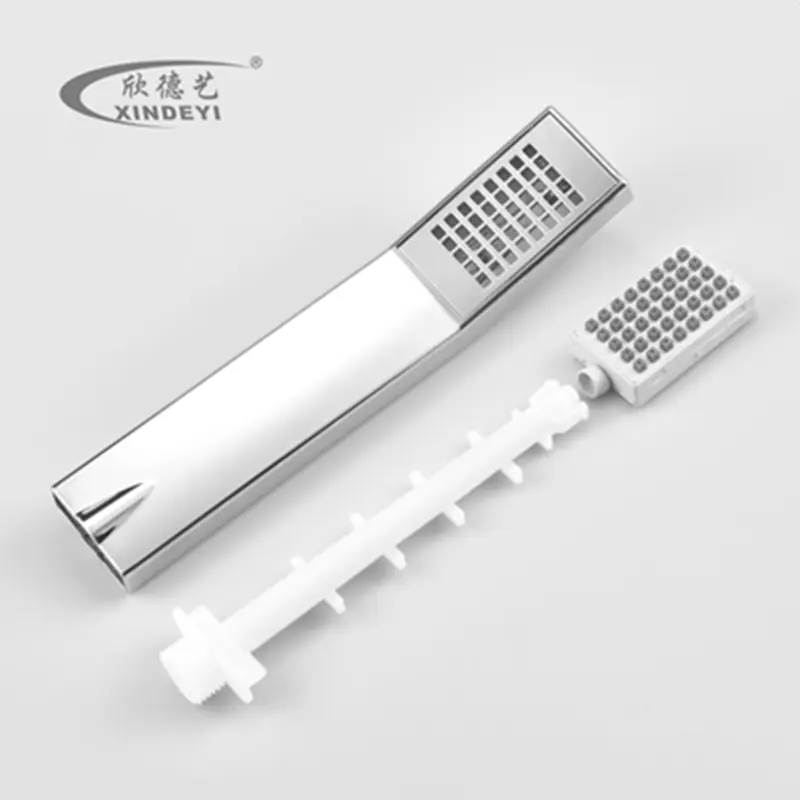
What is the best water pressure for a premium shower head?
I find the ideal water pressure is crucial for your premium Shower Head to perform its best. Thebest water pressure for a premium shower head is usually between 40 and 60 PSI. I consider 60 PSI optimal for the most enjoyable experience. This pressure ensures your durable shower head works efficiently. It also helps shower heads save water effectively. Even complete systems like sliding Shower Sets benefit from this perfect pressure.
Key Takeaways
- Optimal water pressure for a premium shower head is 40 to 60 PSI. This range ensures the best shower experience.
- You can measure your home's water pressure with a simple gauge. Attach it to an outdoor faucet and read the PSI.
- Low water pressure can come from clogged filters, faulty regulators, or hidden leaks. High pressure can damage pipes and appliances.
- Fix low pressure by cleaning your shower head, adjusting your main water valve, or installing a booster pump. Adjust or install a pressure regulator for high pressure.
- Regular maintenance and monitoring your water pressure help keep your shower head working well. This ensures a consistent and enjoyable shower.
Understanding Water Pressure for Your Premium Shower Head
What is Water Pressure?
I think about water pressure as the push that moves water through your pipes. It is the force that makes water come out of your faucet or shower head. Imagine squeezing a balloon filled with water. The harder you squeeze, the more force you put on the water inside. That force is like water pressure. It is measured in pounds per square inch, or PSI. A higher PSI means more force pushing the water.
Water Pressure vs. Water Flow: What's the Difference?
Many people confuse water pressure with water flow. I want to make this clear. Water pressure is the force pushing the water. Water flow is the amount of water coming out over a certain time. Think of a garden hose. If you put your thumb over the end, you increase the pressure, but the amount of water coming out might actually decrease. The water sprays farther because of the pressure. Flow is how many gallons come out in one minute (GPM). You can have high pressure but low flow if something is blocking the path. You can also have low pressure but decent flow if the pipe is very wide.
Why Optimal Pressure is Crucial for a Premium Shower Head
I know optimal water pressure is very important for your premium shower head. It makes sure all the special features work as they should. Without enough pressure, your shower head might just dribble water. The different spray patterns, like massage or rain, need good pressure to feel right. A strong, consistent spray is what I want from my shower.
Normal residential water pressure often falls between 14.5 and 21.75 PSI. However, for the best experience with a premium shower head, I aim for 40 to 60 PSI. This higher pressure ensures a powerful and satisfying shower.
I also look at water flow rates to understand how much water is truly moving:
- Less than 2.64 GPM (gallons per minute) means low water flow.
- 2.64 to 3.96 GPM shows good flow, but it could be better.
- More than 3.96 GPM means you have good water flow.
Good pressure helps your shower head deliver a great experience. It also helps it save water efficiently.
How to Measure Your Home's Water Pressure
I know you want to get the most from your premium shower head. First, you need to know your home's water pressure. Measuring it is a simple task. I will guide you through it.
Essential Tools for Water Pressure Measurement
You only need one main tool for this job. I use a water pressure gauge. You can buy this at any hardware store. It is not expensive. This gauge screws onto a spigot or hose bib. It has a dial that shows the pressure in PSI. I also keep a small wrench or pliers handy. Sometimes, the gauge needs a little tightening to prevent leaks.
Step-by-Step Guide to Measuring Water Pressure
I find measuring water pressure quite easy. Follow these steps:
- Find an Outdoor Faucet: I usually use an outdoor spigot. It is best to use one close to where your main water line enters your house.
- Turn Off All Water: I make sure no water is running inside or outside my home. This includes toilets, washing machines, and dishwashers. This gives me the most accurate reading.
- Attach the Gauge: I screw the water pressure gauge onto the spigot. I tighten it by hand. Sometimes, I use a wrench for a snug fit. I do not overtighten it.
- Open the Faucet: I open the spigot all the way. Water will flow into the gauge. The needle on the dial will move.
- Read the Gauge: I read the number where the needle stops. This is my home's static water pressure.
- Remove the Gauge: I close the spigot. Then, I unscrew the gauge.
Interpreting Your Water Pressure Readings
I look at the number on the gauge. This number tells me a lot. If my reading is between 40 and 60 PSI, I know my pressure is good. This range is perfect for most premium shower heads. If the number is below 40 PSI, I have low water pressure. This means my shower head might not perform well. If it is above 80 PSI, my pressure is too high. High pressure can damage plumbing over time. I also consider this when I look at options for wholesale shower heads for larger projects. Knowing the pressure helps me choose the right products.
The Ideal Water Pressure Range for a Premium Shower Head
Recommended PSI for Peak Performance of Your Premium Shower Head
I find the ideal water pressure for a premium shower head sits between 40 and 60 PSI. This range ensures you get the best experience. I consider 60 PSI the sweet spot. At this pressure, your shower head delivers a strong, consistent spray. It feels invigorating. This pressure allows all the advanced features of your shower head to work perfectly. You get a full, satisfying shower every time. It is important to have enough force to push the water out with purpose. This makes sure your shower is both effective and enjoyable.
How Pressure Affects Premium Shower Head Features
Water pressure directly impacts how your premium shower head performs. I notice a big difference. If the pressure is too low, special features do not work well. A massage setting might feel weak. A Rain Shower might just dribble instead of creating a full, luxurious downpour. Mist settings might not form a fine spray. They might just drip. Good pressure makes sure each spray pattern feels distinct and powerful. It allows the jets to hit your body with the right amount of force. This gives you the full benefit of your investment.
Signs Your Water Pressure is Too Low for a Premium Shower Head
I can easily spot signs of low water pressure. You might notice these things too.
- Weak Spray: The most obvious sign is a weak spray. The water just trickles out. It does not feel strong.
- Long Rinse Times: It takes a long time to rinse soap from your hair or body. The water does not have enough force to wash it away quickly.
- Poor Feature Performance: Your shower head's special settings do not work well. The massage jets feel weak. The rain setting does not cover your whole body.
- Inconsistent Temperature: The water temperature might change suddenly. This happens when other water sources in your home turn on. The low pressure cannot keep up.
- Dripping, Not Spraying: The water might drip from the nozzles instead of spraying out. This means there is not enough force to push it through.
These signs tell me my water pressure is too low. I know my premium shower head cannot perform its best under these conditions.
Signs Your Water Pressure is Too High for a Premium Shower Head
I know that too much water pressure can also cause problems. It is not just low pressure that creates issues. High water pressure can be just as damaging to your home's plumbing. It can also affect your premium shower head. I look for several signs that tell me my water pressure is too high.
- Banging Pipes: I often hear a banging or hammering noise in my walls. This happens when I turn water on or off. This sound is called "water hammer." It means water is moving too fast and stopping suddenly. This puts a lot of stress on pipes.
- Leaky Faucets and Toilets: I notice my faucets drip more often. My toilets might also run constantly. High pressure wears out the washers and seals inside these fixtures quickly. This causes leaks.
- Appliances Breaking Down: My dishwasher or washing machine might break down sooner than expected. High water pressure can damage the internal parts of these appliances. It pushes water through them with too much force.
- Shower Spray Feels Painful: The water coming from my shower head feels like needles. It is too strong. This makes showering uncomfortable. It also means the water is hitting surfaces with excessive force.
- Short Shower Head Lifespan: I find my shower head does not last as long. High pressure can wear out the internal components of even a durable shower head. It can cause seals to fail or nozzles to clog more quickly. This means I might need to replace my premium shower head sooner than I should.
- High Water Bills: I see my water bill is higher than usual. High pressure means more water flows through my pipes faster. This wastes water. It also costs me more money.
These signs tell me my water pressure is too high. I know I need to address this problem to protect my plumbing and enjoy my shower.
Common Reasons for Low Water Pressure Affecting Your Premium Shower Head
I know how frustrating low water pressure can be. It really impacts my shower experience. Many things can cause low water pressure in your home. I will explain some common reasons.
Issues with Your Municipal Water Supply
Sometimes, the problem is not inside your home. It can come from the city's water supply. I have seen this happen. The city might be doing maintenance on water lines. They might have a water main break. This can lower the pressure for everyone in the area. Also, if many people use water at the same time, like in the morning, pressure can drop. I cannot control this. But it is good to know if it is a city issue.
Clogged Pipes or Shower Head Filters
I often find clogs are a big reason for low pressure. Over time, things build up inside pipes. This makes the opening smaller. Water cannot flow through as easily. Limescale is a common problem. Hard water leaves mineral deposits. These deposits stick to the inside of pipes. They also build up in your shower head filter. This reduces water flow. It makes your shower weak. I always check my Shower Head Filter first. Cleaning it can often fix the problem.
Malfunctioning Pressure Regulator
Many homes have a water pressure regulator. I know this device is important. It controls the water pressure coming into your house. It keeps the pressure at a safe level. If this regulator breaks, it can cause low pressure. It might get stuck. Then, it does not let enough water through. I have seen old regulators fail. They need to be replaced. This can bring your water pressure back to normal.
Hidden Leaks in Your Plumbing System
I know hidden leaks can be a sneaky problem. They can cause low water pressure. A leak means water escapes before it reaches your faucet or shower. This reduces the amount of water flowing to your fixtures. It also lowers the pressure. I might not see these leaks. They can be behind walls or under floors. I look for signs like a sudden increase in my water bill. I also check for damp spots on walls or ceilings. Sometimes, I can hear a faint dripping sound when all water is off. Even a small leak can affect your overall water supply. It can make your shower feel weak.
Water Heater Performance Problems
I have learned that my water heater can also affect water pressure. It is not just about hot water. Over time, sediment can build up inside the water heater tank. This sediment is like sand or dirt. It settles at the bottom of the tank. This buildup can block the pipes inside the heater. It reduces the space for water to flow. This blockage causes lower water pressure. I also check the shut-off valve on the water heater. If it is not fully open, it restricts water flow. A broken dip tube inside the water heater can also cause problems. The dip tube sends cold water to the bottom of the tank. If it breaks, cold water mixes with hot water at the top. This can lead to less hot water and lower pressure. I make sure my water heater is working correctly. This helps maintain good pressure for my shower.
Effective Solutions for Low Water Pressure in Your Premium Shower Head
I know low water pressure can really spoil a good shower. It is frustrating. Luckily, I have found several ways to fix this problem. I will walk you through some effective solutions.
Checking and Adjusting Your Main Water Shut-Off Valve
I always start by checking the main water shut-off valve. This valve controls all the water coming into your home. It is usually near your water meter or where the main water line enters your house. Sometimes, this valve is not fully open. Someone might have closed it a little for a repair. This can restrict water flow.
I find my main shut-off valve. It often looks like a lever or a round handle. I make sure it is completely open. If it is a lever, it should be parallel with the pipe. If it is a round handle, I turn it counter-clockwise until it stops. I do not force it. This simple check can sometimes solve the low pressure issue right away.
Cleaning or Replacing Your Premium Shower Head's Filter
I often find that a clogged filter is the culprit for low shower pressure. Your premium shower head has a small filter screen inside. This screen catches debris. Over time, minerals and dirt build up on it. This blocks water flow.
I follow these steps to clean it:
- I carefully unscrew the shower head from the Shower Arm.
- I look inside the shower head where it connects to the pipe. I usually see a small rubber washer and a mesh screen.
- I gently pull out the screen and the washer. I use a small pair of pliers or tweezers if needed.
- I rinse the screen under running water. I use an old toothbrush to scrub away any mineral deposits or debris.
- I can also soak the screen in white vinegar for a few hours. This helps dissolve stubborn mineral buildup.
- I put the screen and washer back in place. I screw the shower head back onto the arm.
I have heard that some advanced shower heads, like the Eco-shower with Pressure Propeller and Purifying Filter Heliwer InnovaGoods, are designed for easy maintenance. They can be fully dismantled for deep cleaning. This makes the cleaning process much simpler. If cleaning does not help, I consider replacing the screen or even the entire shower head.
Adjusting or Replacing Your Home's Pressure Regulator
I know many homes have a water pressure regulator. This device protects your plumbing from high pressure. It also ensures a steady pressure. It is usually located where the main water line enters your house. It looks like a bell-shaped valve. If this regulator is old or broken, it can cause low water pressure.
I can try to adjust it first. There is usually an adjustment screw or bolt on the regulator. I use a wrench to turn it. Turning it clockwise usually increases the pressure. Turning it counter-clockwise decreases it. I make small adjustments. Then, I re-measure my water pressure with a gauge. I aim for that 40-60 PSI range. If adjusting it does not work, or if the regulator is very old, I consider replacing it. This job can be tricky. I often call a professional plumber for help with a replacement.
Identifying and Fixing Plumbing Leaks
I know hidden leaks can be a major cause of low water pressure. They let water escape before it reaches your shower. This means less water pressure for you. Finding these leaks can be tricky because they are often out of sight. I use a few methods to find them.
First, I always check my water meter.
- I turn off all water in my house. This means no faucets running, no toilets flushing, and no washing machine.
- I write down the number on my water meter.
- I wait for at least 15 minutes. For very small leaks, I might wait even longer.
- I check the meter again. If the number has changed, I know I have a leak somewhere. This method helps me see if there is a leak, even if I cannot see it.
I also check my toilets for leaks. I put a few drops of food coloring into the toilet tank. I do not flush the toilet for about 15 to 30 minutes. If the color appears in the toilet bowl, I know the flapper valve is leaking. This is a common and easy-to-fix leak.
I also do a visual check. I look at all accessible pipes, connections, and faucets. I search for any signs of water, rust, or green buildup. This green color often means copper pipes are leaking. I use a flashlight to see into dark areas. I also listen carefully. I use a mechanical stethoscope or even just my ear to listen for dripping sounds inside walls. This helps me pinpoint where a leak might be hiding.
For harder-to-find leaks, especially in underground pipes, I know professionals use special tools. They use smart leak detection systems. These systems listen for sounds in the pipes. They collect sound data in real-time. This helps them find leaks that are deep underground. For leaks inside walls or floors, thermal imaging is very useful. This technology takes pictures that show heat. Water leaks often make areas colder or hotter than they should be. This helps find problems like water getting into walls without breaking anything open. Fixing these leaks helps bring my water pressure back up.
Installing a Water Pressure Booster Pump for Your Home
Sometimes, even after fixing leaks and checking everything else, my water pressure is still too low. This is when I consider a water pressure booster pump. A booster pump is a device that increases the water pressure coming into your home. It takes the existing water pressure and gives it an extra push. This makes sure you have strong water flow for all your needs, especially for your shower.
I have seen different types of booster pumps.
- AQUA Booster systems are good for larger homes or buildings. They can have up to two pumps working together. They are known for being reliable and strong. They also run quietly. These systems are set up to work automatically. They need little maintenance.
- SCALA2 3-45 GRUNDFOS is another type. It is a compact pump. It is easy to install. It gives you constant water pressure. This means your shower will always feel strong and steady.
- There are also Automatic Boosters and Automatic Dual Boosters. These pumps turn on and off as needed. They keep your water pressure at a good level without you having to do anything.
I think installing a booster pump is a great solution if your home consistently has low water pressure. It ensures a powerful and enjoyable shower experience. It makes sure all your faucets and appliances get enough water pressure. I usually recommend a professional plumber for installation. They can choose the right pump for your home and install it correctly. This makes sure it works safely and efficiently.
Addressing High Water Pressure Issues for Your Premium Shower Head
I know that too much water pressure can be just as bad as too little. It can cause many problems in your home. It can also affect your shower experience. I will explain how to handle high water pressure.
Risks of Excessively High Water Pressure
I have seen high water pressure cause real damage. It puts a lot of stress on your plumbing system. This can lead to pipes bursting. It can also cause leaks in faucets and toilets. High pressure wears out appliance parts faster. Your dishwasher or washing machine might break down sooner. I also find that high pressure wastes a lot of water. This means higher water bills for me. The spray from my premium shower head can feel too harsh. It can even be painful. This makes showering less enjoyable.
How to Adjust Your Existing Pressure Regulator
Many homes have a pressure regulator. I know this device helps control the water pressure coming into your house. It is usually near your main water shut-off valve. It looks like a bell-shaped valve. If your pressure is too high, you can often adjust this regulator.
I find the adjustment screw or bolt on the regulator. I use a wrench to turn it. Turning it counter-clockwise usually lowers the pressure. Turning it clockwise increases it. I make small turns. Then, I re-measure the water pressure with my gauge. I aim for that ideal 40 to 60 PSI range. If I cannot adjust it, or if it is very old, I consider replacing it.
When to Install a New Pressure Reducing Valve
Sometimes, adjusting an old regulator does not work. It might be broken. Or, your home might not have a pressure regulator at all. In these cases, I recommend installing a new pressure reducing valve (PRV). This valve helps keep your home's water pressure at a safe level. It protects your pipes and appliances. It also makes your shower more comfortable. Installing a PRV can be a complex job. I usually call a professional plumber for this task. They can choose the right valve and install it correctly. This ensures your home's plumbing stays safe.
Maintaining Optimal Water Pressure for Your Premium Shower Head's Longevity
I know that keeping my home's plumbing system in top shape is key. This helps my premium shower head work well for a long time. Regular care prevents many problems. It ensures I always have the right water pressure.
Regular Plumbing System Maintenance Tips
I believe regular maintenance is important for my entire plumbing system. This includes things I might not think about every day. For example, if I have a septic tank, I make sure it gets pumped. I know it needs pumping at least once every three years. This removes solid waste. The exact time can change based on how many people live in my home. I also get my septic tank inspected every one to three years. This helps catch problems early. A well-maintained septic system helps my whole home's water flow smoothly. I also check for visible leaks under sinks and around toilets. I fix small drips quickly. This prevents bigger issues later.
Monitoring Water Pressure Over Time
I do not just measure my water pressure once. I check it regularly. This helps me catch problems early. I use my water pressure gauge a few times a year. This way, I know if something changes. I look for any drops or spikes in pressure. If I see a change, I can investigate it. This proactive approach helps me keep my water pressure consistent. It ensures my showers are always enjoyable.
The Benefits of Professional Plumbing Inspections
Sometimes, I need expert help. Professional plumbers can find issues I might miss. They have special tools. They can spot small leaks or problems with my pressure regulator. They can also check for mineral buildup in pipes. This buildup can lower water pressure over time. A professional inspection saves me money in the long run. It prevents costly repairs. It also keeps my water pressure just right. This ensures my shower experience stays great.
Maximizing Your Premium Shower Head Experience
I want to help you get the most from your shower. This means understanding how your shower head works with your home's water system. I have some tips to make your shower experience the best it can be.
Choosing the Right Shower Head for Your Pressure
I know choosing the right shower head makes a big difference. If your home has lower water pressure, I look for shower heads designed to boost pressure. These often have smaller nozzles. They push the water out with more force. This makes a weak spray feel stronger. If your pressure is already strong, I might choose a rain shower head. These use more water but feel luxurious. They spread water over a wider area. I always match the shower head to my home's pressure. This ensures a satisfying shower.
Understanding GPM (Gallons Per Minute) and Your Shower Head
I always check the GPM rating on a shower head. GPM means gallons per minute. It tells me how much water flows out each minute. A lower GPM saves water. It also helps if your water pressure is not super high. Most Modern Shower Heads have a GPM of 2.5 or less. This helps save water. It also meets water efficiency standards. I find that a good GPM, combined with optimal pressure, gives me a great shower. It does not waste water.
Tips for a Consistent and Enjoyable Shower
I want my shower to be consistent. I use thermostatic faucets. They keep the water temperature steady. This prevents sudden cold or hot blasts. Thermostatic columns also prevent sudden temperature changes. They give me better control over the water flow. I also use a thermostatic mixer. It helps me get to my desired temperature faster. This makes my shower more enjoyable. I also make sure my shower head is clean. This keeps the spray strong and even. Regular cleaning prevents mineral buildup. This helps maintain consistent water flow.
I know achieving the best shower experience with my premium shower head depends on optimal water pressure. I understand, measure, and adjust my home's water pressure. This makes sure my investment performs at its best. Regular maintenance and quick fixes guarantee a consistently luxurious shower. I always enjoy a powerful and steady spray.
FAQ
What is the best water pressure for my premium shower head?
I find the best water pressure is between 40 and 60 PSI. I consider 60 PSI optimal. This range ensures your shower head works perfectly. It gives you a strong, enjoyable spray.
Why does my premium shower head have low pressure?
I know many things cause low pressure. It could be a clogged filter. It might be issues with your home's main water valve. Sometimes, a broken pressure regulator is the problem. I also check for hidden leaks.
Can high water pressure damage my plumbing?
Yes, I know high water pressure can cause damage. It puts stress on pipes. This leads to leaks. It can also wear out appliances faster. I always aim for safe pressure levels.
How do I measure my home's water pressure?
I use a water pressure gauge. I screw it onto an outdoor faucet. I turn off all other water. Then, I open the faucet. The gauge shows me the PSI reading.