




Install Handheld Shower Head Holder on Tile No Drilling
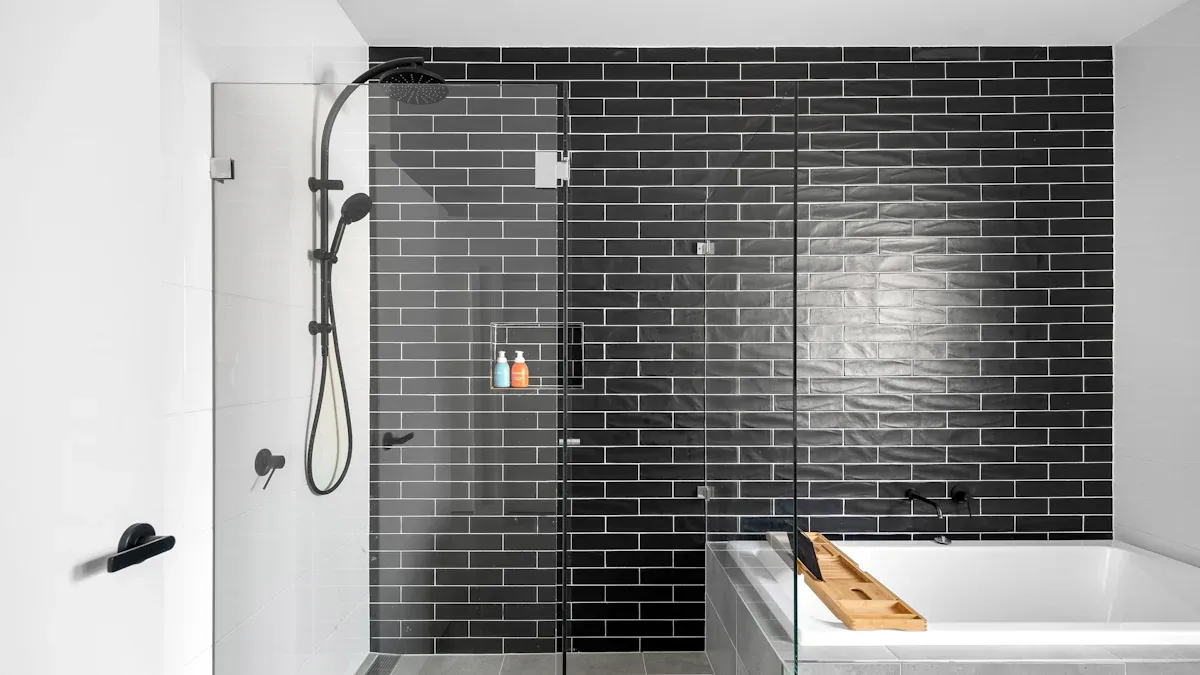
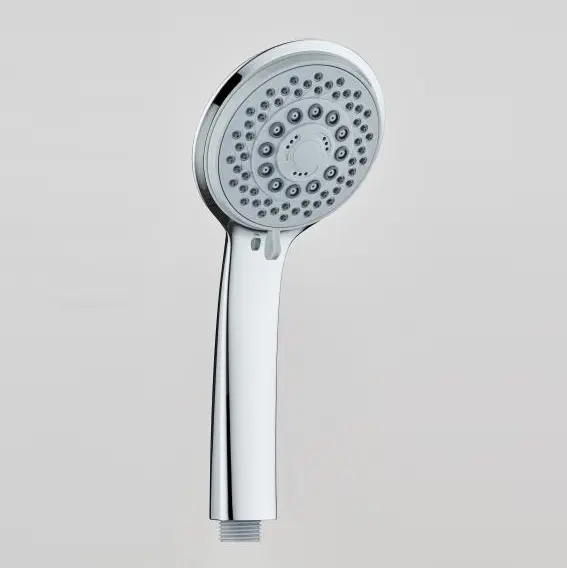
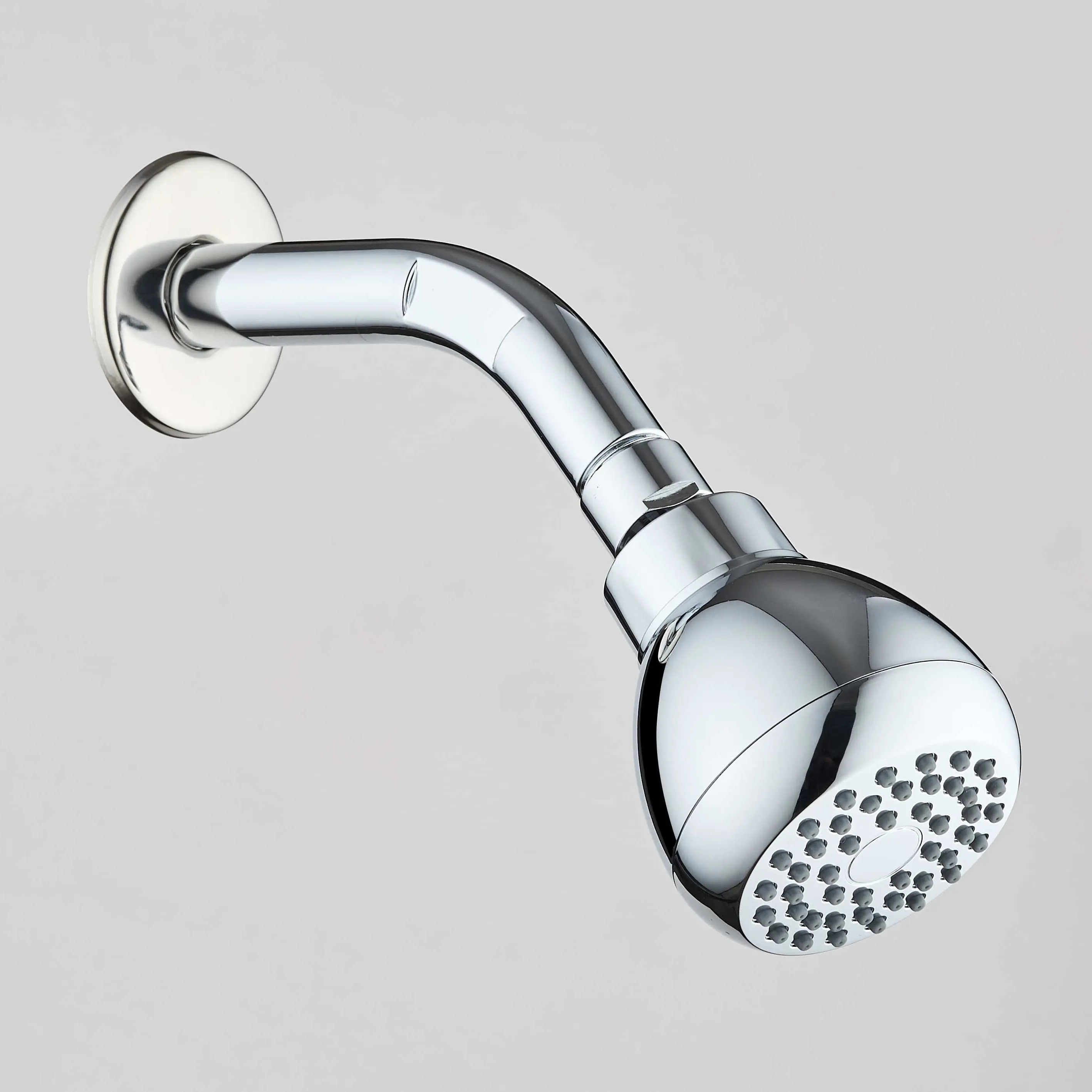
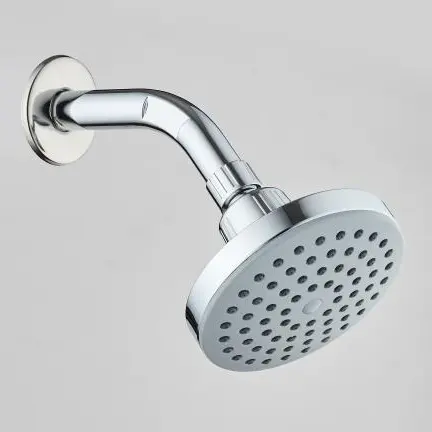
Installing a Handheld Shower Head Holder without drilling prevents tile damage, like cracks, and avoids hidden utility risks. Discover secure, damage-free methods for your tile. These solutions preserve bathroom aesthetics and offer flexible positioning for anAdjustable Shower Arm, a Retractable Shower Head, or a Hand Held Shower Hose.
Choosing Your Drill-Free Handheld Shower Head Holder Solution

Selecting the right drill-free solution for a handheld shower head holder involves understanding various options. Each method offers distinct advantages for different bathroom setups and user preferences. This section explores the most common and effective drill-free choices available.
Adhesive Mounts for Handheld Shower Head Holder
Adhesive mounts provide a straightforward and damage-free installation for a handheld shower head holder. These mounts feature a strong adhesive backing that creates a secure bond with the tile surface. Users simply peel off a protective layer and press the mount firmly into place. This method avoids drilling holes, preserving the integrity of bathroom tiles. One adhesive shower head holder product is specified to have a strong adhesion with an 8.8 lbs (4kg) weight capacity. This indicates its shear strength, ensuring it can securely hold items without falling. This capacity applies to clean, dry, and smooth wall surfaces, excluding painted walls and wallpaper, and requires a 12-hour waiting period before use. Therefore, proper surface preparation and adherence to waiting times are crucial for optimal performance.
Suction Cup Handheld Shower Head Holder Options
Suction cup holders offer another convenient drill-free option. These devices create a vacuum seal against a smooth surface, providing a firm grip without permanent attachment. Users can easily use them for temporary placement or for frequent adjustments to their shower head position. These holders perform best on smooth, hard surfaces like ceramic tile or glass. They also work well on non-textured hard surfaces such as fiberglass. Surfaces must be smooth and non-porous to ensure a good seal and prevent air leakage. Materials like glass, metal, or smooth tiles yield the best results. A suction cup shower head holder is designed to support standard shower heads, capable of securely holding items weighing up to approximately 5 lbs. It is advised to avoid using it with excessively heavy or oversized shower heads. For example, the MedGear Suction Cup Shower Head Holder has a maximum supported weight of 10 lbs. No tools are required for its installation.
Tension Rod Systems for Handheld Shower Head Holder
Tension rod systems provide a versatile solution, especially for larger shower areas or when wall surfaces are unsuitable for adhesives or suction cups. These systems use a spring-loaded mechanism to exert pressure between two opposing walls, creating a stable support structure. Users can easily adjust their height and position. Telescopic rod systems now offer wider adjustability ranges, typically from 70cm to 240cm. For instance, a stainless steel expandable tension rod is available with an adjustable range of 130cm to 240cm. When selecting a tension rod, ensure its adjustable range covers your wall span with an additional margin of 10-15cm. Manufacturers often use specific materials to ensure durability and longevity. Stainless steel, particularly grades 304 or 316, is considered the optimal material for Shower Rods. It offers superior resistance to corrosion, pitting, and rust in high-humidity bathroom environments. This durability ensures structural integrity and a stable base. For heavy-duty tension rods, stainless steel forms the main body, providing water and rust resistance, high load capacity, and non-deformation. Electroplated carbon steel is utilized for internal high-pressure springs, offering corrosion and rust resistance.
Specialized Clips and Detachable Brackets
Specialized clips and detachable brackets represent innovative drill-free solutions. These options often attach to existing bathroom fixtures, such as shower doors, glass panels, or even the edge of a bathtub. Some designs feature a clamp-like mechanism that secures the holder without requiring any adhesive or suction. Other brackets might slide into existing gaps or use a counterweight system. These solutions offer great flexibility and are easily removable, making them ideal for renters or those who prefer not to alter their bathroom's permanent structure. They provide a discreet way to add functionality without compromising aesthetics.
Step-by-Step Installation for Your Handheld Shower Head Holder
Installing a drill-free handheld shower head holder requires careful attention to detail. Proper installation ensures stability and longevity. This section provides a step-by-step guide for each type of drill-free solution.
Preparing the Tile Surface for Installation
Proper surface preparation is crucial for any drill-free installation. The tile surface must be clean, dry, and smooth. First, remove any dust or loose debris from the area. A broom or vacuum effectively clears larger particles. Next, address any oil, grease, or stains. A damp cloth can wipe away these contaminants. For optimal cleaning, consider using specialized tile and stone cleaners. Products like Roff Cera Clean effectively prepare the surface. These cleaners ensure the tile is free from external particles. This thorough cleaning prevents contaminants from compromising the bond of the holder. Finally, ensure the surface is completely dry before proceeding with installation.
Installing Adhesive Handheld Shower Head Holders
Installing an adhesive handheld shower head holder is a straightforward process. First, clean the tile surface thoroughly as described in the previous section. Ensure the area is completely dry. Next, carefully peel the protective backing from the adhesive pad on the holder. Position the holder precisely where desired. Press the holder firmly against the tile surface for at least 30 seconds. Apply consistent pressure across the entire adhesive area. This action helps create a strong bond. After placement, allow the adhesive to cure for the recommended time, typically 12 to 24 hours, before placing a shower head on it. This waiting period ensures maximum adhesion strength.
Attaching Suction Cup Handheld Shower Head Holders
Attaching a suction cup handheld shower head holder requires a clean, smooth, and non-porous surface. Begin by cleaning the tile or glass surface meticulously. Remove any soap scum, dirt, or moisture. A clean, dry surface is essential for optimal suction. Next, press the suction cup firmly against the chosen spot. Engage the locking mechanism, if present, by twisting or flipping a lever. This action creates a vacuum seal.
Environmental factors can affect suction cup longevity. Humidity levels above 70% can decrease adhesion over time. Ideal temperatures for maintaining adhesion range between 15°C and 25°C. Colder temperatures stiffen the suction cup material, affecting its ability to conform to surfaces. Extreme temperatures, both hot and cold, compromise the material. This compromise can lead to a loss of suction. Therefore, install and use suction cups within moderate temperature ranges. Regularly check the suction cup's grip. Reapply it if it shows signs of loosening.
Setting Up Tension Rod Handheld Shower Head Holders
Setting up a tension rod system involves a few simple steps. First, measure the distance between the two opposing walls where the rod will sit. Adjust the tension rod to be slightly longer than this measurement. Most tension rods feature a twist mechanism for length adjustment. Position one end of the rod against a wall. Compress the rod slightly and fit the other end against the opposite wall. Release the tension, allowing the rod to exert pressure against both surfaces. Ensure the rod is level and securely in place. Test its stability by gently pulling down on it. The rod should not slip or move.
Utilizing Specialized Clips and Detachable Brackets
Specialized clips and detachable brackets offer flexible installation. These solutions often attach to existing bathroom fixtures. For clips designed for shower doors or glass panels, simply slide the clip over the edge of the glass. Ensure a snug fit. Some brackets feature a clamping mechanism. Open the clamp, position it around the desired fixture (like a shower pipe or a shelf edge), and then tighten it securely. Other designs might slide into existing gaps or use a counterweight system. Follow the manufacturer's specific instructions for these unique designs. These holders are easy to install and remove, providing versatility without permanent alteration.
Ensuring a Secure and Lasting Handheld Shower Head Holder Installation
Proper installation ensures the longevity and reliability of any drill-free Handheld Shower Head Holder. Adhering to specific guidelines for curing, testing, and maintenance prevents common issues and maximizes product lifespan.
Proper Curing and Waiting Times
Adhesive mounts require specific curing times for optimal performance. One user experienced a shower caddy peeling off after only one day because they skipped the crucial step of properly cleaning the tile. This resulted in a messy situation with sticky residue that was frustrating to remove. The lesson learned highlights the importance of cleaning, drying, and even mildly sanding the tile before applying adhesive strips. Avoid repositioning the holder once stuck, as it weakens the bond. The adhesive typically requires a twelve-hour curing period. Install the holder in the evening and continue the following morning. During this curing time, do not touch the adapter. Do not attempt to test the strength of the bond during the waiting period.
Testing the Strength and Stability
After the recommended curing period, thoroughly test the holder's strength and stability. Install the no-drill holder on various surfaces, including tile, glass, and fiberglass, to observe its performance across different materials. Repeatedly remove and reinstall the holder over ten days to check for marks or wear on the surface. Soak the holder under running water to assess if drainage slots prevent standing water damage. Observe if the grip remains firm and if walls are untouched after testing. This rigorous testing ensures the holder can withstand daily use.
Maintenance Tips for Longevity
Regular maintenance extends the life of your drill-free shower head holder. Periodically clean the holder and the surrounding tile surface to prevent soap scum and mineral buildup. For suction cup models, occasionally release and reapply the suction cup to refresh the seal. Ensure the surface remains clean and dry for optimal adhesion. For tension rod systems, check the tension periodically and adjust it if the rod shows any signs of slippage. Avoid hanging excessively heavy items on the holder, as this can compromise its stability and lead to premature failure.
Successfully install your Handheld Shower Head Holder without damaging tiles. Enjoy the convenience and flexibility of a drill-free solution. These methods minimize surface disruption, offering a more eco-friendly approach compared to traditional drilling. Maintain a pristine bathroom while enhancing functionality and contributing to environmental preservation.
FAQ
Can drill-free shower head holders be reused?
Most drill-free holders, especially suction cup and tension rod types, are reusable. Adhesive mounts are generally not reusable once removed, as their bonding strength diminishes.
What surfaces are suitable for drill-free installation?
Drill-free holders work best on smooth, non-porous surfaces. These include ceramic tiles, glass, and polished metal. Textured or porous surfaces may not provide adequate adhesion or suction.
How much weight can a drill-free holder support?
Weight capacity varies by holder type and design. Suction cup holders typically support up to 10 lbs. Adhesive mounts can hold similar weights, depending on the adhesive strength and proper curing. Always check product specifications.