





Finding the Perfect Universal Bathtub Faucet Filter
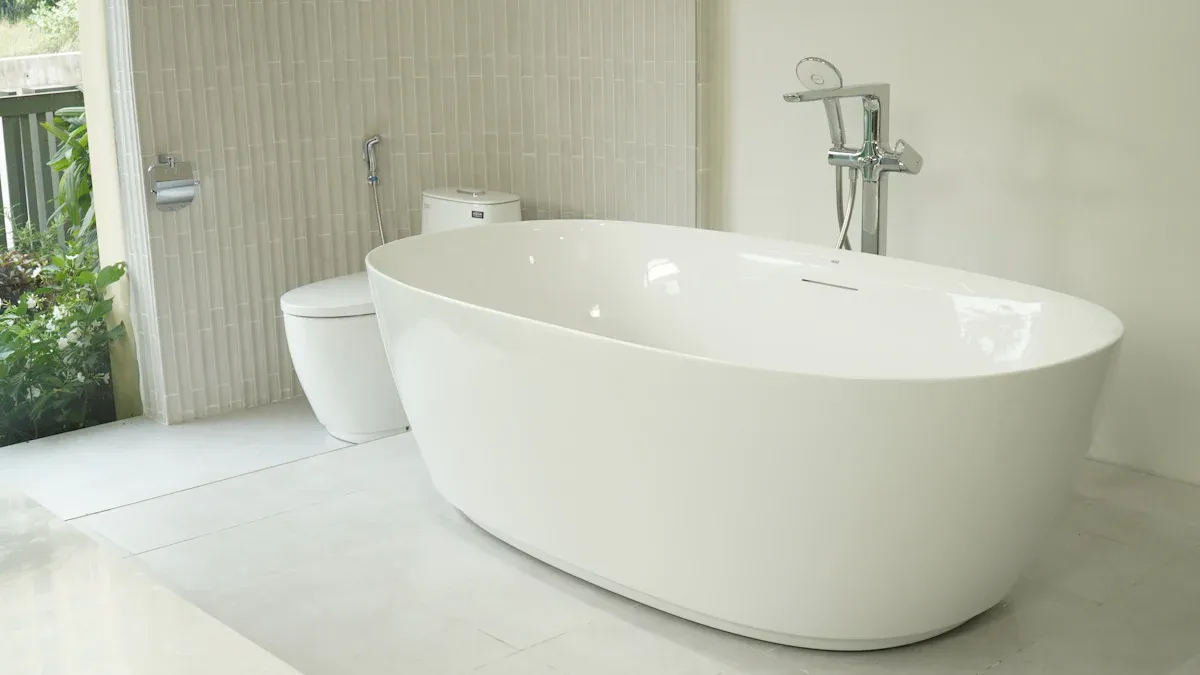
Filtered bath water is essential for healthier skin and hair. Unfiltered tap water exposes bathers to contaminants; studies link chlorinated water to increased cancer risks. A Universal Bathtub Faucet Filter offers convenient purification, transforming tap water. A high-quality bathtub Water Purifier, like a BPA-Free Faucet Filter, effectively removes impurities for optimal health benefits.
Why a Universal Bathtub Faucet Filter is Essential
Common Water Contaminants Affecting Your Bath
Tap water often contains various contaminants that can impact bathing experiences. Municipal water supplies across different regions frequently contain substances like PFAs (per- and polyfluoroalkyl substances), lead, arsenic, total trihalomethanes (TTHMs), radium, and nitrate. For instance, California's drinking water can contain 14 different contaminants and three types of water quality violations. A USGS study estimated that nearly half of the tap water in the U.S. might contain at least one type of PFAS, with higher concentrations observed near urban areas. These impurities can affect skin and hair health.
The Benefits of Filtered Water for Skin and Hair
Filtered water offers significant advantages for personal care. Chlorine and chloramines, common disinfectants in tap water, cause dry, flaky, and itchy skin irritation. They also lead to brittle hair with split ends and damaged strands, and can exacerbate conditions like psoriasis, eczema, and dermatitis. Filtered soft water reduces hair damage and breakage. A study published in PubMed (PMID: 26711619) found that hard water, rich in calcium and magnesium, creates a rougher hair surface and thinner strands due to mineral buildup. Using filtered water mitigates these adverse effects, promoting healthier, softer hair and skin.
Understanding Universal Compatibility for Your Faucet
A Universal Bathtub Faucet Filter offers broad compatibility, fitting most standard bathtub faucets. This "universal" aspect often refers to adherence to various industry standards and certifications. These include ADA compliance, ensuring accessibility, and "Lead Free" certifications, which meet federal and state regulations like NSF/ANSI/CAN 372 and 61. Other important standards include CEC (California Energy Commission) and DOE (Department of Energy) for flow rates, as well as state-specific listings from Massachusetts and Texas. Certifications like ETL (Intertek’s Electrical Testing Labs) and UL Listed further confirm products meet North American safety and quality standards. Consumers can trust these certifications for reliable performance.
Key Features to Look for in a Universal Bathtub Faucet Filter
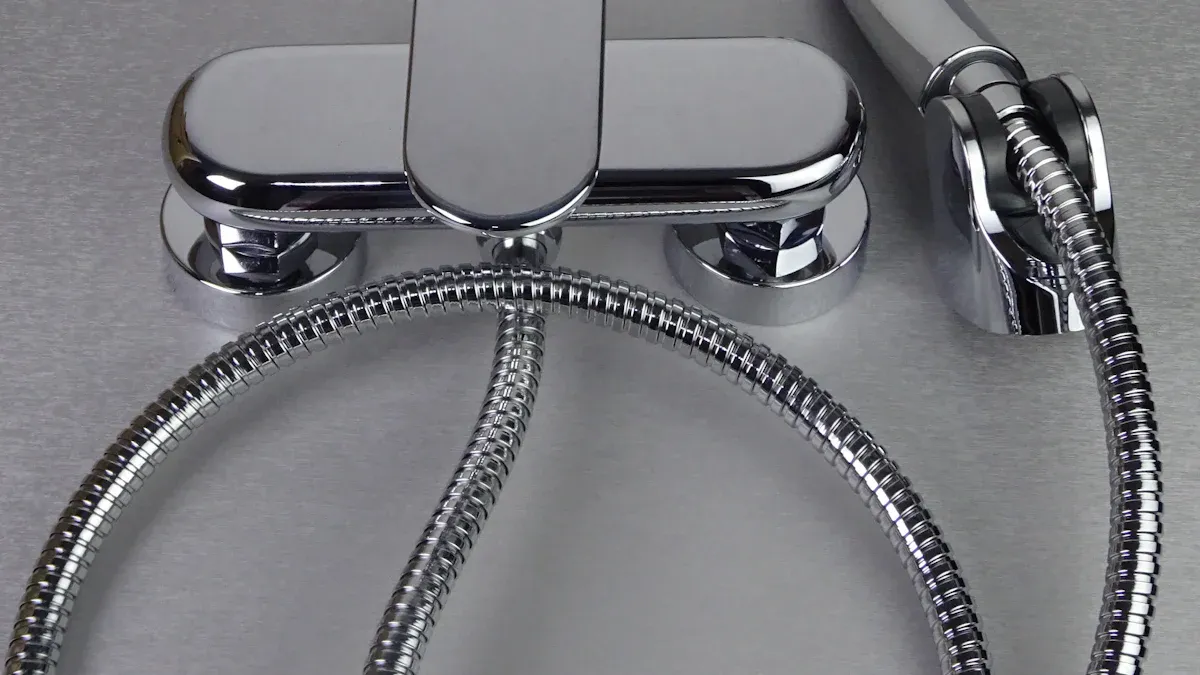
Selecting the right bathtub faucet filter requires careful consideration of several critical features. These characteristics ensure the filter effectively purifies water, offers user convenience, and provides long-term value.
Effective Chlorine and Chloramine Removal
High-quality bathtub faucet filters prioritize the removal of chlorine and chloramines, common disinfectants in municipal water. These chemicals can irritate skin and hair. Effective filtration media include a 0.5-micron carbon block filter, specifically designed for chlorine and chloramines. For chloramine removal, specialized options like Carbon Plus chloramine filter cartridges, ChloraGuard Solid Catalytic Carbon Block cartridges, and ChloraGuard Catalytic Carbon Chloramine Removal Filter Cartridge prove highly effective. Coconut shell carbon media also contributes to robust filtration. Kinetico's exclusive Chloraban® media offers another advanced solution for these contaminants. Standard activated carbon, however, does not effectively remove chloramine.
Many Shower Filter systems demonstrate impressive free chlorine reduction. Initially, they can achieve 99% reduction at a flow rate of 2.5 gallons per minute. Even at the end of a 25,000-gallon test, these systems maintain a 50% reduction. Chlorgon, a proprietary blend of Copper, Zinc, and Calcium Sulfide, converts free chlorine and some combined chlorines into a harmless chloride salt. This process works effectively across various temperatures, ensuring consistent performance. HO2 units undergo testing for free chlorine reduction in shower filter systems according to ANSI/NSF Standard No. 177. This standard establishes minimum certification requirements for shower filters, covering material safety, structural integrity, minimum flow rate, and free available chlorine (FAC) reduction.
Reducing Heavy Metals and Other Impurities
Beyond chlorine, a superior filter addresses a range of heavy metals and other impurities that can compromise bath water quality. These contaminants pose significant health risks. Arsenic, for instance, causes bladder, lung, and skin cancer. Hexavalent chromium (chromium-6) is another known cancer-causing chemical. Manganese, in excess, harms infants and children, impairing learning, memory, and behavior. Mercury, a potent neurotoxin, also damages kidneys and other internal organs. Lead, even at very low levels, causes permanent, irreversible harm to IQ and the nervous system of toddlers and children; no safe level of lead exists in blood.
Several filtration technologies effectively reduce these harmful substances. Bentonite Clay, an adsorbent clay, binds to and removes heavy metals, impurities, and chemicals from bath water. It produces an 'electrical charge' when hydrated, allowing it to absorb toxins. A whole-house filter offers a comprehensive solution, cleaning water before it reaches the bathtub and effectively reducing toxins throughout the home. Vitamin C (Ascorbic Acid or Sodium Ascorbate), while primarily neutralizing chlorine and chloramine, provides a simpler option for reducing bath water chemicals. Bath ball de-chlorinators, often using Vitamin C as their filter media, also effectively neutralize chlorine.
Ease of Installation and Tool-Free Setup
A practical Universal Bathtub Faucet Filter offers straightforward installation. Consumers appreciate models that require no special tools or plumbing expertise. Many filters feature a simple screw-on or snap-on design, allowing for quick attachment to most standard bathtub faucets. This tool-free setup ensures users can easily install the filter themselves, avoiding the need for professional assistance and making the purification process accessible to everyone.
Filter Lifespan and Cost-Effectiveness
The lifespan of a filter cartridge directly impacts its cost-effectiveness. A good filter balances high performance with a reasonable replacement schedule. Many quality filters offer a lifespan of 12-18 months or a capacity of 2,000-2,500 gallons. This extended life reduces the frequency of cartridge changes. The annual cost for replacement cartridges typically averages around $40, making filtered bathing an affordable luxury. Evaluating the filter's capacity and expected lifespan helps consumers make an economically sound choice.
Maintaining Optimal Water Flow and Pressure
An effective bathtub faucet filter should purify water without significantly impeding water flow or pressure. Manufacturers design high-quality filters to integrate seamlessly into the existing plumbing, ensuring a consistent and robust water stream. This design prevents frustrating drops in water pressure, allowing for a comfortable and efficient bathing experience. Users can enjoy the benefits of filtered water without compromising the functionality of their faucet.
Top Universal Bathtub Faucet Filters of 2025
Choosing the right filter significantly enhances your bathing experience. The market offers several excellent options for a Universal Bathtub Faucet Filter in 2025. These filters address various water quality concerns, from chlorine removal to heavy metal reduction, ensuring a cleaner and healthier bath.
Filterbaby Bath Faucet Filter: Advanced Impurity Removal
The Filterbaby Bath Faucet Filter stands out for its advanced impurity removal capabilities. This system employs a multi-stage filtration process, effectively targeting a broad spectrum of contaminants. It removes chlorine, chloramines, sediment, and rust particles. The filter also reduces heavy metals, providing a comprehensive purification solution for bath water. Users often report noticeable improvements in skin hydration and hair texture after using this filter. Its design ensures easy integration with most standard bathtub faucets.
Weddell Duo Bathtub Filter: Verified Chlorine Reduction
The Weddell Duo Bathtub Filter offers verified chlorine reduction, making it a top choice for those concerned about chlorine exposure. Independent laboratory tests confirm its high efficiency in neutralizing chlorine and chloramines. This filter utilizes a specialized blend of filtration media, which reacts with chlorine to convert it into harmless chlorides. The Weddell Duo helps prevent skin dryness and hair damage commonly associated with chlorinated water. Its robust construction ensures durability and consistent performance over its lifespan.
Santevia Bath Filter: Chlorine Neutralization and Water Softening
The Santevia Bath Filter provides a dual benefit: effective chlorine neutralization and water softening. This filter not only removes chlorine and chloramines but also addresses hard water issues. It incorporates media that helps reduce mineral buildup, which contributes to softer skin and hair. The Santevia filter improves the overall feel of the bath water, making it more pleasant and less irritating. Its design focuses on enhancing the sensory experience of bathing while providing essential purification.
PUR Plus Faucet Filtration System: Certified Performance
The PUR Plus Faucet Filtration System offers certified performance, assuring users of its effectiveness. This system undergoes rigorous testing to meet stringent industry standards. It holds certifications for its ability to remove various contaminants.
- NSF 42: This certification confirms the system's effectiveness in removing chlorine, particulates (Class 1), and improving taste and odor.
- NSF 53: This standard verifies the removal of contaminants with health effects, including pesticides, asbestos, volatile organic compounds (VOCs), mercury, and lead.
- NSF 401: This certification addresses the removal of emerging contaminants and incidental compounds, such as BPA, DEET, and various pharmaceuticals. These certifications provide confidence in the PUR Plus system's ability to deliver clean, safe bath water.
Brita and Culligan Faucet Filters: Trusted and Easy-to-Install Options
Brita and Culligan offer trusted and easy-to-install faucet filters, making them popular choices for many households. Both brands have a long-standing reputation for water filtration products. Their bathtub faucet filters typically feature straightforward installation processes, often requiring no tools. Users can quickly attach these filters to their existing faucets. Brita and Culligan filters primarily focus on reducing chlorine taste and odor, along with some sediment. They provide an accessible entry point into filtered bathing, offering reliable performance and convenience.
Installing and Maintaining Your Universal Bathtub Faucet Filter
Proper installation and consistent maintenance ensure optimal performance from your bathtub faucet filter. Following simple guidelines helps extend the filter's life and maintains water quality.
Step-by-Step Guide to Easy Filter Installation
Installing a bathtub faucet filter typically involves a straightforward process. First, unpack the filter and review the manufacturer's instructions. Most models feature a simple screw-on or snap-on design. Users align the filter with the faucet spout and then twist or push it into place until secure. This tool-free setup allows for quick attachment to most standard bathtub faucets, making the purification process accessible to everyone.
When and How to Replace Your Filter Cartridge
Filter cartridge replacement frequency depends on the filtration system type and local water quality. Certain media and resin filters often require replacement every 3-5 years, influenced by usage levels. If a sediment pre-filter consistently clogs every three months, this indicates a need for a more frequent change-out schedule. A noticeable deterioration in water taste after a few months also signals that cartridge replacement is due. If water quality issues become apparent after three months, proactively changing the cartridge every two months can prevent recurrence.
Tips for Maximizing Your Filter's Lifespan
Maximizing a filter's lifespan involves simple practices. Avoid exposing the filter to extreme temperatures. Regularly clean the exterior of the filter to prevent mineral buildup or grime. Always use the filter within its specified flow rate to prevent premature wear.
Troubleshooting Common Issues with Your Bathtub Faucet Filter
Users sometimes encounter common issues, such as leaky tub faucets. Worn-out valves, seats, gaskets, or faucet valve cartridges often cause these leaks. These parts wear down over time, especially with well water, which contains more sediment. For well water users, installing a whole-house filter is recommended to remove sediment that can clog or wear down cartridge parts. The solution typically involves replacing worn gaskets, washers, or cartridges to restore proper function.
The Transformative Impact of a Quality Universal Bathtub Faucet Filter
Noticing the Difference in Water Quality
Users quickly observe changes in water quality after installing a filter. Pure water should possess no taste or odor. The presence of metallic, chlorine, or rotten-egg smells indicates chemicals, bacteria, or sulfur that a filter effectively removes. If skin feels dry and irritated, and hair appears lifeless and coarse after bathing, the water likely contains chlorine or harsh minerals. A good filtration system significantly improves these conditions. Gail Vance Civille, president of Sensory Spectrum, states, "Clean water should feel soft on the palate with no aroma or taste. Since it mimics saliva, no other differentiating characteristics should be detected."
Improved Skin Hydration and Hair Softness
Filtered water dramatically improves skin and hair health. Studies indicate that removing chlorine and heavy metals from water significantly enhances the skin's ability to retain moisture. Filtered water helps restore balance to the skin's lipid barrier. It reduces dehydration and tightness often experienced after bathing. Many individuals report their skin feeling calmer, more hydrated, and less reactive after switching to filtered bath water. Dermatological studies confirm that removing chlorine and minerals from bath water enhances hydration and supports barrier recovery.
The Sensory Experience: Better Scent and Feel of Water
The sensory experience of bathing transforms with filtered water. A rotten-egg or sulfur smell often suggests hydrogen sulfide, typically caused by bacteria. Musty, earthy odors and tastes may signal dissolved solids or decaying organic matter. The distinct smell and taste of chlorine, used for disinfection, become undesirable. Chemical smells like turpentine can indicate MTBE or xylenes. Metallic smells and tastes often signal mercury, lead, copper, arsenic, iron, manganese, or zinc from pipes. Filtered water reduces skin irritation from chlorine and minerals, leading to softer, shinier hair and less dryness for sensitive skin.
Long-Term Health Benefits of Filtered Bathing
Consistent bathing in filtered water offers substantial long-term health benefits. Filtered water, especially when softened, becomes gentler on skin and hair. It removes contaminants like chlorine, heavy metals, and sediment that strip natural oils from skin and hair. This prevents dry, itchy skin and brittle or frizzy hair. Filtered water also reduces irritation for individuals with sensitive skin conditions such as eczema or psoriasis. Skin and hair retain moisture and natural oils, leading to smoother, healthier skin and hair. Additionally, users can achieve savings by reducing the need for expensive skincare and haircare products, offsetting the initial filter cost.
Investing in the right Universal Bathtub Faucet Filter offers significant, lasting value. This empowers readers to confidently choose a filter that precisely meets their specific needs. Ultimately, this informed decision ensures a cleaner, healthier, and more luxurious bathing experience for everyone.
FAQ
How often should one replace a bathtub faucet filter?
Filter replacement frequency depends on usage and water quality. Many filters last 12-18 months or 2,000-2,500 gallons. Users monitor water taste and flow for signs of needing a change.
Do universal bathtub faucet filters fit all faucets?
Universal filters fit most standard bathtub faucets. They often feature simple screw-on or snap-on designs. Users should check product specifications for compatibility with specific faucet types.
What contaminants do bathtub faucet filters remove?
Bathtub faucet filters primarily remove:
- Chlorine
- Chloramines
- Sediment
Advanced models also reduce heavy metals like lead and mercury, improving overall water quality. 💧