Water Saving Shower Head Benefits and Top Options for Buyers?
In today's world, the importance of water conservation cannot be overstated. A water-saving shower head is an effective solution to reduce water usage during showers. According to Lisa White, a leading expert in water conservation, "Switching to a water-saving shower head can make a significant impact on lowering household water bills." This statement captures the essence of why consumers should consider upgrading their showerheads.
A water-saving shower head not only helps save water but also promotes eco-friendly practices. These devices are designed to use less water without sacrificing the shower experience. Many people remain unaware of the significant savings possible through this small change. Imagine reducing your monthly water bill while contributing to global water conservation efforts. It is a simple choice that more households should embrace.
Yet, not all shower heads maintain performance levels while saving water. It's crucial to research and choose a design that meets both efficiency and user satisfaction. Some products may claim to save water but may not deliver a satisfying experience. Therefore, understanding the features and differences between options can lead to better purchasing decisions. Water-saving shower heads could enhance your daily routine while making a notable impact on the environment.
Benefits of Using Water Saving Shower Heads
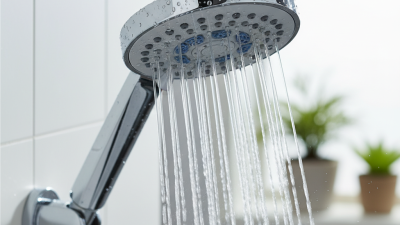
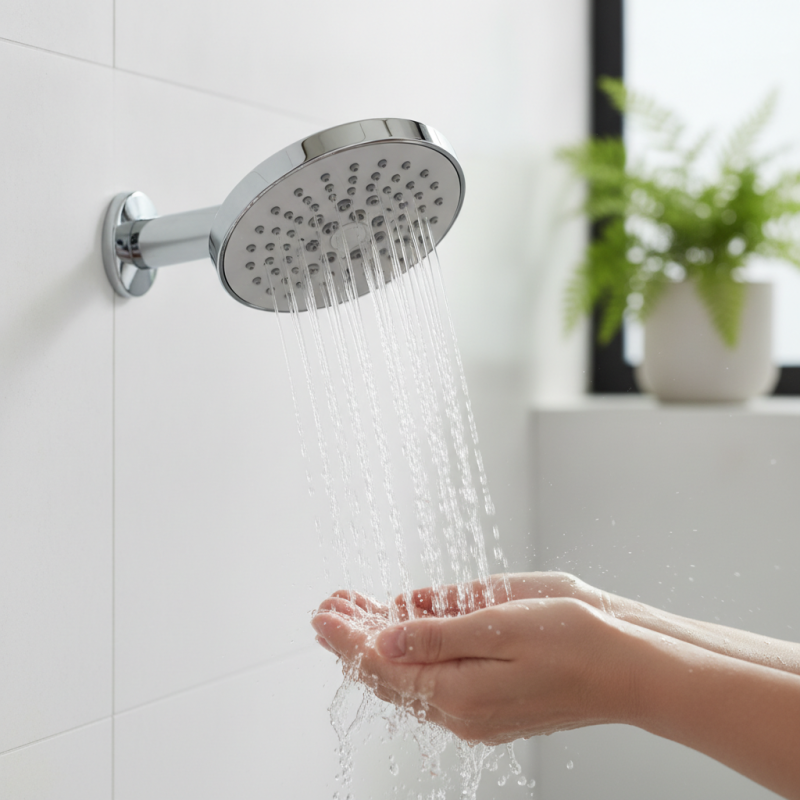
Water-saving shower heads offer numerous benefits that enhance both your bathroom experience and your environmental footprint. They can reduce water usage by up to 50%, which means lower utility bills. With a well-designed shower head, you still enjoy a powerful spray while conserving water. The technology behind these fixtures often includes aerators and flow restrictors. These features mix air with water, maintaining pressure without wasting resources.
Another advantage is the positive impact on the environment. Using less water means lower energy consumption. Heating water requires energy, so reducing water usage can help decrease energy bills as well. These shower heads are often easy to install. Many people can replace their old shower head in under 30 minutes. With the right choice, you can enjoy a satisfying shower while being mindful of your water consumption.
However, not all water-saving shower heads perform equally. Some may feel less powerful than traditional options. It’s essential to research and read reviews before making a purchase. Consider the flow rate and technology, as these can greatly affect the experience. Finding the right balance between water conservation and enjoyment can take time. Your preference and priorities will ultimately guide this decision.
How Water Saving Shower Heads Work to Conserve Water
Water-saving shower heads are designed with innovative technology to minimize water usage without sacrificing performance. These fixtures typically employ features like aeration, which mixes air with water. This process allows for a satisfying flow rate while using less water. Some models also utilize pressure-compensating mechanisms that maintain a strong spray, ensuring that users enjoy their shower experience.
By carefully optimizing these factors, water-saving shower heads can reduce water consumption by up to 50%. This can lead to significant savings on water bills. For households with multiple bathrooms, the impact can be substantial. Nevertheless, users might find the change in water flow a bit jarring initially. It’s a shift from traditional models that release higher volumes of water. Adjusting to this new standard can require some thoughtful consideration.
Beyond the mechanics, choosing water-saving options contributes positively to the environment. Every drop counts, and conserving water helps preserve this precious resource. People often overlook their daily habits, which can lead to excessive waste in homes. Moving towards more sustainable solutions can spark reflection on overall water usage and responsibility. A small shift, like adopting a water-saving shower head, can encourage broader changes in daily routines.
Top Features to Look for When Buying a Water Saving Shower Head
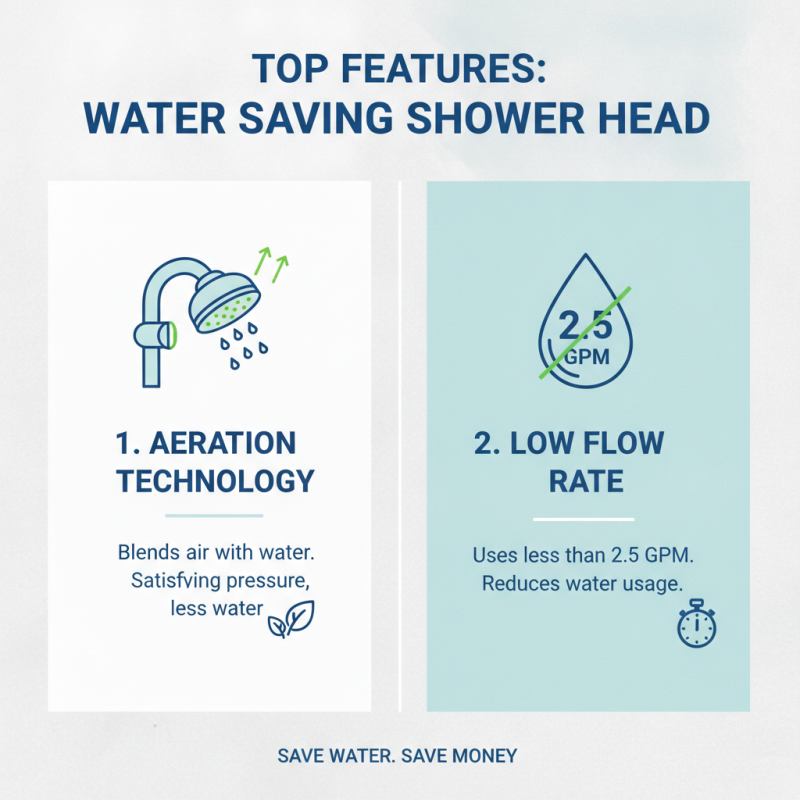
When selecting a water-saving shower head, understanding key features can guide your choice. Look for designs that incorporate aeration. This technology blends air with water, providing a satisfying pressure while minimizing usage. A good shower head should ideally use less than 2.5 gallons per minute.
Adjustable spray settings offer versatility. Whether you prefer a gentle mist or a powerful stream, customization is vital. Check for easy toggling options to switch between settings. Additionally, consider the ease of installation. Many models are designed for quick setup, requiring no professional help.
A reliable product should have good reviews focusing on durability. Some materials, like high-quality plastics or metals, indicate longevity. Be cautious of overly cheap options, as they may lack proper warranties. It’s essential to reflect on your usage habits. If you love long showers, focus on models that balance water-saving features with comfort.
Best Water Saving Shower Head Options Available in the Market
Water-saving shower heads are becoming increasingly popular among eco-conscious consumers. These fixtures can significantly reduce water usage without sacrificing performance. Reports indicate that using a water-efficient shower head can cut water consumption by 20-30%. This reduction not only contributes to environmental conservation but also lowers monthly utility bills. For example, a family of four could save nearly 2,900 gallons of water annually by switching to a low-flow model.
When exploring the best options available, consider features such as flow rate and spray patterns. Many high-efficiency models offer a flow rate of 1.8 gallons per minute or less, meeting EPA WaterSense criteria. Moreover, adjustable settings allow users to choose between various spray types. Some users report that while certain models may save water, the initial pressure can feel less robust. It’s vital to find a balance between water conservation and comfort.
New water-saving technologies continue to emerge in the market. Some models incorporate air injection systems, which can enhance pressure while maintaining low water consumption. However, these innovations might come with a higher price tag. Weighing the benefits against costs can be a crucial step before making a purchase. Understanding your water usage habits will also help identify the most suitable option for your household.
Water Saving Shower Head Water Usage Comparison
This chart compares the water usage of a traditional shower head with three different water saving shower heads. As shown, traditional models consume significantly more water per minute compared to water saving options, highlighting their advantages in water conservation.
Tips for Installing and Maintaining Water Saving Shower Heads
Installing a water-saving shower head can transform your bathing experience. While the installation process is generally straightforward, there are a few things to keep in mind. Ensure you have basic tools handy, such as pliers and plumber's tape. Start by removing your old shower head. This can be done by twisting it counterclockwise. Clean the threads carefully before attaching the new unit.
Regular maintenance is crucial for optimal performance. Check for mineral buildup, which can clog the nozzles. Soaking the shower head in vinegar can help dissolve these deposits. Additionally, inspect the fittings for leaks. Even a small drip can waste water over time. It’s worth noting that some products may require more frequent adjustments or cleaning than others. Be prepared to adapt your routine as necessary.
Educating yourself about your shower head's specifications can further enhance your experience. Not all models save the same amount of water. Some might reduce flow but could leave you feeling less satisfied. Balancing efficiency with comfort is key. Remember to consider your water pressure and personal preferences in flow rate. Stay informed and proactive to ensure your water-saving shower head performs as expected.