2026 How to Choose the Best Shower Hose for Your Bathroom Needs?
Choosing the right shower hose can significantly enhance your bathroom experience. A suitable shower hose ensures comfort and convenience during daily routines. With many options available, it’s easy to feel overwhelmed.
Understanding your specific needs is crucial in selecting the ideal shower hose. Consider the length, material, and design. A longer hose can offer flexibility, while a high-quality material can prevent leaks and wear. Visualizing your shower space can guide your choice.
However, not every shower hose meets expectations. Some may become tangled or corrode over time. Reflecting on user reviews can provide insight. Prioritizing reliability and performance when shopping will ultimately improve your satisfaction.
Understanding Different Types of Shower Hoses Available in the Market
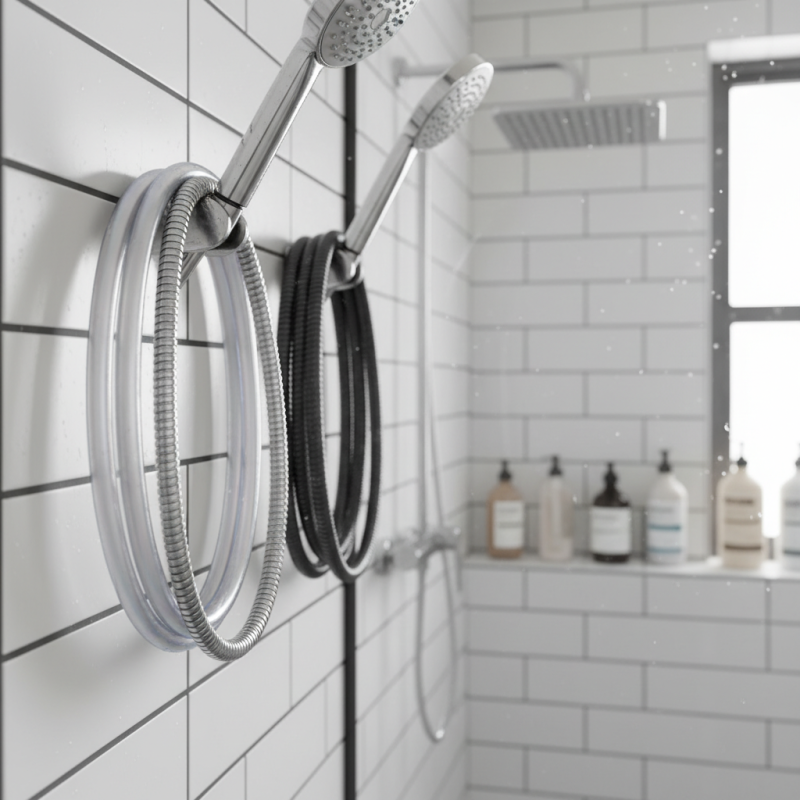
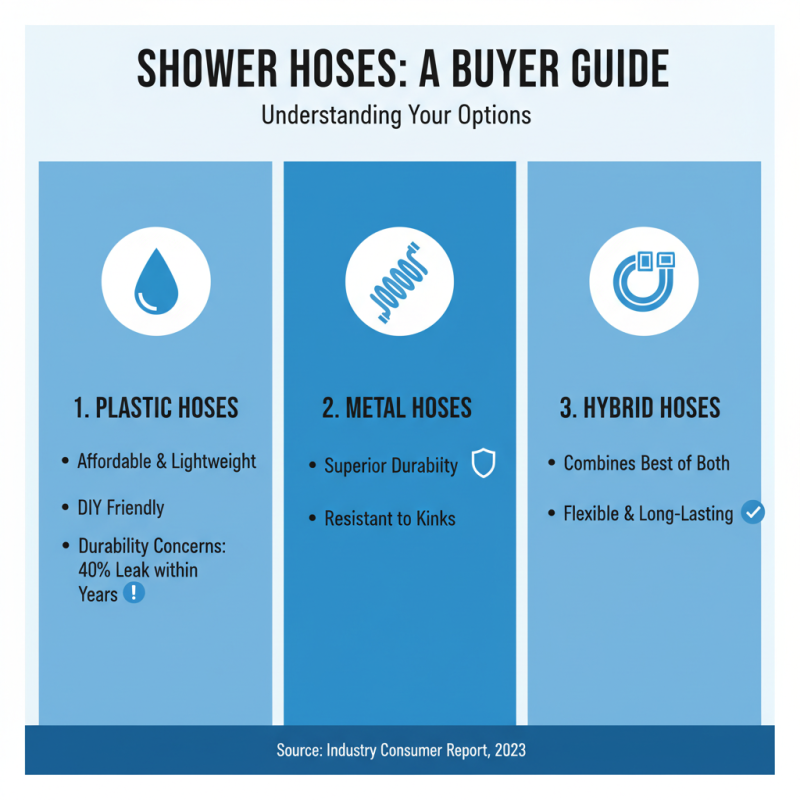
When selecting a shower hose, it's crucial to understand the different types available in the market. Most hoses fall into three primary categories: plastic, metal, and hybrid. Plastic hoses are lightweight and affordable, making them a popular choice for DIY enthusiasts. However, they may lack durability compared to other materials. Recent reports indicate that around 40% of consumers have experienced issues with leakage in plastic hoses within two years of use.
Metal hoses, typically constructed from stainless steel, offer a robust alternative. They resist kinks and are more durable, often lasting a decade or more. A survey from a leading plumbing study revealed that nearly 70% of homeowners prefer metal options for their longevity. Yet, metal hoses can be heavier and might not suit every installation.
Lastly, hybrid hoses combine both materials, providing a balance between flexibility and strength. These hoses are often designed to address specific user needs, yet they sometimes have higher costs. Industry experts suggest evaluating the environment of your bathroom—humidity levels and water pressure can significantly impact hose performance. Understanding these details will enhance your experience and prolong the lifespan of your shower equipment.
Key Factors to Consider When Choosing a Shower Hose for Your Bathroom
When selecting a shower hose, several key factors should be considered. A recent industry report indicates that the average lifespan of a shower hose is about 10 years. However, not all hoses are made equal. Material quality significantly affects durability. Stainless steel hoses tend to last longer than plastic options. It's crucial to assess the type of material used in the hose to ensure longevity.
The length of the shower hose also plays a significant role in user experience. Commonly available lengths range from 59 to 79 inches. If your bathroom has a handheld showerhead, a longer hose may enhance flexibility and convenience. To ensure the perfect fit, consider the height of the shower user. Installing a hose that’s too short can lead to discomfort and limit usability.
Lastly, check the warranty offered by manufacturers. A three- to five-year warranty is typical for well-made shower hoses. This not only reflects the quality but also provides peace of mind. Installation ease is another factor. Ensure the hose can be easily connected to your existing fixtures. Thoughtful consideration of these elements will elevate your bathing experience and improve bathroom functionality.
Assessing Material Quality and Durability of Shower Hoses
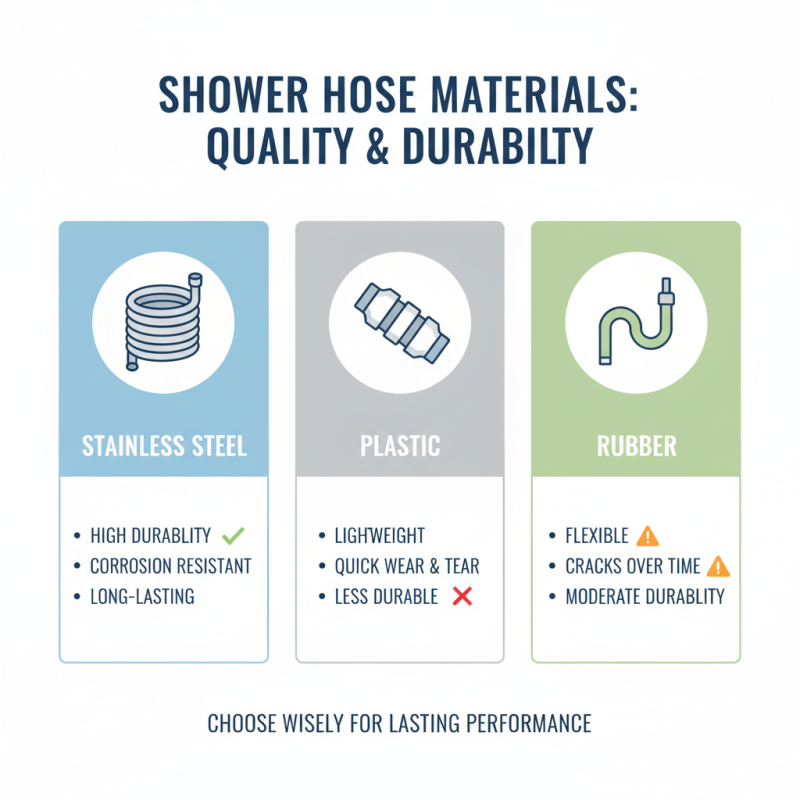
When selecting a shower hose, the material is crucial. Common materials include stainless steel, plastic, and rubber. Stainless steel hoses are known for their durability. They resist corrosion and maintain their integrity over time. Plastic hoses, while lighter, often succumb to wear and tear more quickly. Rubber hoses can provide flexibility but may develop cracks after prolonged use.
It's essential to think about the hose's intended use. Will it be used frequently or only occasionally? A heavy-duty stainless steel option may be worth the investment for daily users. However, casual users might find a more affordable plastic option sufficient. Pay attention to the thickness of the material. Thicker hoses generally offer better durability and resistance to kinks.
Keep in mind that not all shower hoses are created equal. Some may advertise durability but fail to deliver in real-world use. Reviews and feedback from other consumers can provide insight into a product's performance. Consider looking for warranties. A solid warranty can indicate a manufacturer's confidence in their product's longevity. Selecting the right shower hose requires careful consideration and awareness of the unique demands of your bathroom.
Measuring the Proper Length for Your Shower Hose Needs
When selecting a shower hose, measuring length correctly is crucial. The right hose length impacts both functionality and comfort. An industry report from the American Society of Home Inspectors suggests that typical lengths range from 59 to 79 inches. However, many people overlook this detail, leading to hoses that are either too short or excessively long.
To determine the optimal length for your bathroom, first measure the distance from the faucet to where the showerhead will be positioned. If you frequently shower while seated, consider additional length to ensure easy access. A hose that is about 10 inches longer than this measurement can offer flexibility and convenience. This approach aligns with findings from the National Kitchen and Bath Association, which highlights that 72% of homeowners prefer enhanced accessibility in their bathrooms.
Nonetheless, it is essential to reflect on your shower habits. If you tend to move the showerhead around, a longer hose may be beneficial. However, a hose that is too long can create excess clutter and may reduce water pressure. Balancing these factors can be challenging, but careful consideration of your specific needs can lead to a more satisfying shower experience.
Tips for Installation and Maintenance of Your Chosen Shower Hose
When choosing a shower hose, proper installation and maintenance are key for optimal performance. Start by ensuring that the connections are secure. A loose connection can lead to leaks, wasting water and causing damage. Use plumber's tape for a better seal. Align the hose correctly to avoid kinks, which can lead to reduced water flow and early wear.
Regular maintenance is equally important. Check your shower hose for any signs of wear, such as cracks or fraying. Replace it immediately to prevent leaks. Cleaning your shower hose can also prolong its life. Use a mild cleaner to remove soap scum and prevent buildup. This will keep water flowing smoothly and your shower experience pleasant.
Think about the environment too. Sometimes, hose fittings can corrode or trap minerals. So, rinse it regularly to prevent scale build-up, which can affect performance. These small, consistent efforts can make a significant difference. Keep in mind that a well-cared-for shower hose not only enhances your bathroom’s efficiency but also contributes to a more enjoyable daily routine.
2026 How to Choose the Best Shower Hose for Your Bathroom Needs? - Tips for Installation and Maintenance of Your Chosen Shower Hose
| Dimension |
Material |
Length |
Connection Type |
Price Range |
| 1.5 m |
Stainless Steel |
1.5 m |
G 1/2" Threads |
$15 - $25 |
| 2.0 m |
PVC |
2.0 m |
G 1/2" Threads |
$10 - $20 |
| 2.5 m |
Brass |
2.5 m |
G 1/2" Threads |
$20 - $35 |
| 3.0 m |
Flexible Nylon |
3.0 m |
G 1/2" Threads |
$15 - $30 |