10 Essential Tips for Choosing a Water Saving Shower Head for Your Home
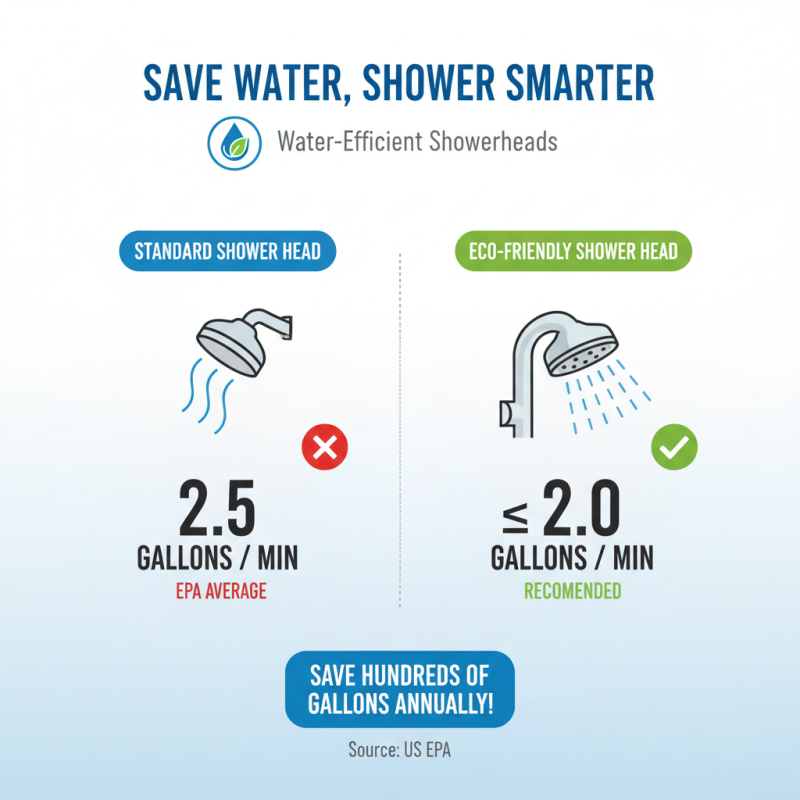
Choosing a Water Saving Shower Head is essential for both environmental and financial reasons. According to the U.S. Environmental Protection Agency (EPA), showerheads account for nearly 17% of residential indoor water use. This means that by using water-efficient models, households can significantly reduce their water consumption. On average, a water-saving shower head uses about 1.5 gallons per minute compared to the conventional 2.5 gallons.
Such savings make a considerable difference over time. A typical family could save more than 2,700 gallons of water annually. That’s enough to fill a small swimming pool! However, not all water-saving shower heads are made equal, and some may compromise water pressure or comfort.
Many consumers still choose traditional showerheads due to perceived performance concerns. Research shows that although water-saving options are effective, a lack of awareness can lead to skepticism. It is crucial to evaluate various models carefully. Look for those that best blend efficiency with an enjoyable shower experience.
Understanding the Importance of Water Saving Shower Heads for Eco-Friendly Living
Choosing a water-saving shower head is crucial for eco-friendly living. It reduces water usage and minimizes energy consumption. This choice not only benefits the environment but also lowers utility bills. Many households overlook the importance of upgrading to these efficient fixtures. An average shower wastes many gallons of water each day.
When selecting a shower head, consider its flow rate. A model with a flow rate of 1.5 to 2.0 gallons per minute is ideal. Look for features like adjustable spray settings. These can enhance your shower experience while saving water. Remember, it’s essential to find a balance between comfort and conservation.
Check for certifications that indicate water efficiency. Products with the WaterSense label meet strict water-saving standards. However, don't be caught up in fancy designs alone. Functionality should always come first. Reflect on your water usage habits. Are you really making the most sustainable choices in your daily routine?
Key Features to Look for in a Water Efficient Shower Head
When selecting a water-efficient shower head, look for key features that enhance both performance and sustainability. According to the U.S. Environmental Protection Agency, the average showerhead flows at 2.5 gallons per minute. Opt for models that offer outputs of 2.0 gallons or less. This small change can significantly reduce water usage, potentially saving hundreds of gallons each year.
Consider the design of the shower head. Aerated shower heads mix air with water, which creates a feeling of higher pressure without increasing flow. This approach can lead to a delightful shower experience while saving water. However, some users find that aerated models can feel different than traditional ones. Finding a balance between comfort and efficiency is crucial.
Adjustable settings can enhance functionality. Many modern designs allow users to switch between different spray patterns. This flexibility can cater to various preferences, but not all models perform equally. Some may compromise water efficiency when set to high-pressure modes. Engaging with user reviews and expert data can help identify the best options. Measuring satisfaction with water savings should involve personal experiences and reflections on usage patterns.
Comparing Different Types of Water Saving Shower Heads Available
When choosing a water-saving shower head, understanding the different types available is crucial. Low-flow shower heads are popular, reducing water usage significantly. Some models provide a satisfying spray, while others may feel weak. It’s important to find a balance between water conservation and comfort.
Aerating shower heads mix air with water for a fuller spray. They can create a luxurious feel without heavy water flow. On the other hand, laminar flow shower heads offer a different experience. They provide individual streams of water, which can feel refreshing, yet may not appeal to everyone.
Consider your family's needs when comparing options. A household with young children might need a different type than one with adult users. Some users complain that certain models are hard to clean. Regular maintenance is essential to ensure longevity. Reflect on how often you’re willing to maintain them. Your choice should be practical and meet daily usage demands.
Installation Tips for Your New Water Saving Shower Head
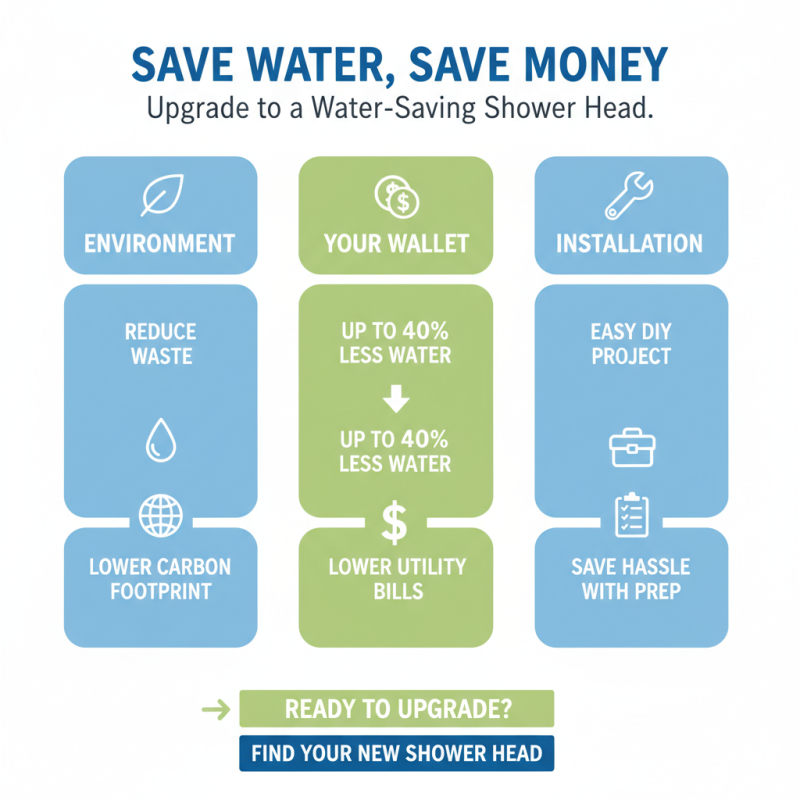
Installing a water-saving shower head can significantly reduce water usage in your home. Studies show that these fixtures can save up to 40% more water than traditional models. This not only benefits the environment, but it also lowers your water bill. However, the installation process can be tricky if you’re unprepared.
Before starting, gather the right tools: adjustable wrench, plumber's tape, and a towel. Turn off the water supply to prevent any unexpected surprises. Carefully unscrew the old shower head. It may be tightly secured due to mineral buildup. A gentle pull might not be enough. If it’s stuck, applying a bit of vinegar can help dissolve the buildup.
Once removed, wrap plumber's tape around the threads of the new shower head. This ensures a watertight seal. Screw it in place, but don’t overtighten, as this can lead to cracks and leaks. After installation, turn the water supply back on slowly. Check for leaks. Small drips might indicate improper sealing. Adjust as needed. According to the EPA, households can save nearly 2,300 gallons of water per year with efficient shower heads. Being meticulous in installation will help achieve those savings.
Maintaining Your Shower Head for Long-Term Water Efficiency
Maintaining your shower head is crucial for long-term water efficiency. Regular cleaning helps prevent mineral buildup. Hard water can leave deposits that clog the nozzles. When you notice reduced water flow, it’s time to take action. Soaking the shower head in vinegar can dissolve these deposits effectively. Rinse it thoroughly afterward to remove any lingering vinegar smell.
It’s also important to check for leaks. A dripping shower head not only wastes water but can increase your utility bill. If you see water pooling around the base, inspect the connections. Sometimes, a simple tightening of screws or replacing washers can resolve the issue. Don’t overlook the rubber gaskets; they wear out over time and may need replacement.
Keep an eye on the overall condition of your shower head. Rust or corrosion can compromise performance. If you notice significant wear, consider a replacement. An efficient shower head not only saves water but also enhances your showering experience. Regular maintenance is often neglected but is essential for optimal performance.