get a free sample
Leave Your Message

10 Essential Tips for Choosing the Perfect Shower for Your Bathroom

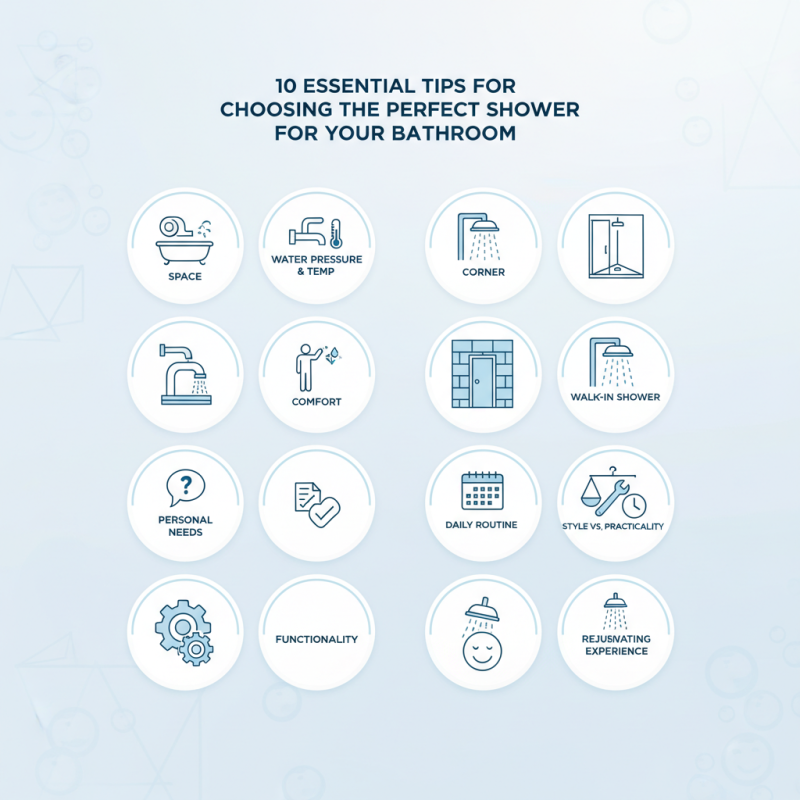
Choosing the right shower for your bathroom is not just a matter of aesthetics. It involves considering functionality, comfort, and your own personal needs. According to renowned plumbing expert, John Smith, “The perfect shower transforms your daily routine into a rejuvenating experience.”

When looking for a "Showers Shower," think about space. A compact bathroom may benefit from a corner shower, while larger spaces can accommodate luxurious walk-in options. Take note of water pressure and temperature control; these factors greatly enhance your showering experience.

However, selecting the ideal shower can sometimes lead to confusion and stress. Buyers often overlook their needs in favor of trending designs. Many ignore essential features that align with their specific requirements. Reflecting on your daily routines and preferences is crucial. Balancing style with practicality will lead to a rewarding decision. Ultimately, the right "Showers Shower" is one that caters to both your style and comfort.
10 Essential Tips for Choosing the Perfect Shower for Your Bathroom

Understanding Different Types of Shower Systems Available for Bathrooms

10 Essential Tips for Choosing the Perfect Shower for Your Bathroom

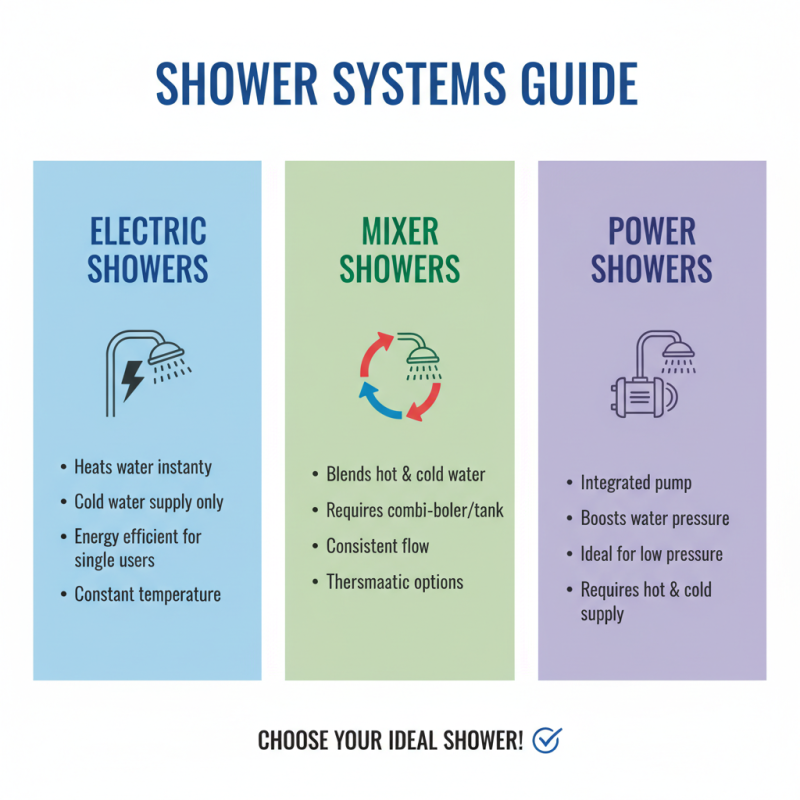
When choosing a shower system, understanding the different types available is crucial. There are generally three main types: electric showers, mixer showers, and power showers. Each type serves unique needs and fits varying bathroom setups.

Electric showers are great for spaces with limited hot water supply. They heat water on-demand, making them energy efficient. According to industry reports, nearly 40% of homeowners recommend electric showers for smaller bathrooms. Mixer showers blend hot and cold water for a consistent experience. However, they depend on a good supply of both hot and cold water.

Power showers, on the other hand, are perfect for high-pressure systems. They boost water flow and provide a luxurious feel. Yet, installation can be complex. Note that about 20% of users report issues with low water pressure affecting shower performance.

Tip: Check your water pressure before buying. This significantly impacts your enjoyment and utility. Another tip is to consider the space available. A compact shower unit might be necessary for smaller bathrooms. Keep in mind that aesthetics also play a role. A beautifully designed fixture can elevate your space but ensure it complements the overall style of your bathroom.
Assessing Your Bathroom Space and Layout for Shower Installation

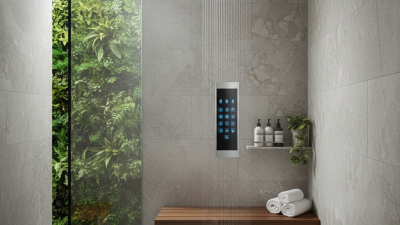
Assessing your bathroom space and layout is crucial for a successful shower installation. The right shower can transform your space, but poor planning can lead to dissatisfaction. According to a 2021 report by the National Kitchen and Bath Association, a staggering 60% of homeowners regret not spending more time evaluating layout options before making decisions.

When measuring your available space, keep in mind that a minimum of 30-36 inches is recommended for a comfortable shower experience. If you're tight on space, consider a corner shower unit. These designs can maximize utility while minimizing clutter.

Tip: Visualize the layout with tape on the floor. This hands-on approach helps you see how much room your chosen shower will occupy. Also, ensure that the door swings or slides open without obstruction.

Remember, not all designs work in every space. Sometimes, you may have to compromise on style for functionality. A report from the American Institute of Architects indicates that 45% of bathrooms are not accommodating enough for a family’s needs. For example, if your shower is too small, it can lead to discomfort and frustration. Prioritize practicality over trends for a satisfying experience.

10 Essential Tips for Choosing the Perfect Shower for Your Bathroom

Tip Description Considerations
Measure Your Space Ensure the shower fits well in the designated area without crowding. Consider the height and width of the shower.
Choose a Style Select a shower style that complements your bathroom decor. Options include modern, traditional, or minimalist designs.
Select Materials Choose durable and water-resistant materials. Popular choices include acrylic, tile, and glass.
Consider Accessibility Think about the needs of all users in your household. Features like grab bars and low thresholds may be useful.
Showerhead Options Choose between fixed, handheld, or dual showerheads. Consider water pressure and user preference.
Lighting Considerations Good lighting enhances safety and usability. Options include recessed lighting and wall scones.
Ventilation Proper ventilation prevents mold and moisture build-up. Consider an exhaust fan or windows for airflow.
Budget Planning Set a realistic budget for shower installation and accessories. Include costs for labor, materials, and extras.
Water Efficiency Look for water-saving fixtures to reduce consumption. Consider low-flow showerheads.
Seek Professional Advice Consult with a designer or contractor for expert insight. They can offer solutions you may not have considered.

Choosing the Right Showerhead: Style, Functionality, and Water Pressure

When choosing a showerhead, consider your bathroom's overall style. Do you prefer modern or classic? A sleek, minimalist design might suit a contemporary space. In contrast, a vintage-style showerhead can enhance a traditional decor. Think about the materials too. Chrome offers a shiny, modern look, while matte finishes can provide a softer touch.

Functionality is key beyond aesthetics. Are you more comfortable with a handheld shower or a fixed one? A handheld option allows for flexibility, especially during cleaning. Water pressure also matters. Low pressure can lead to a disappointing shower experience. Testing the pressure before purchasing can save you from regrets later on.

Lastly, reflect on your water usage. Opt for water-efficient models to reduce costs. However, not all economical options deliver a satisfying spray. Striking a balance can be tricky. You want a refreshing experience without wasting water. So, take your time in choosing. Each detail adds up to an enjoyable bathroom experience.

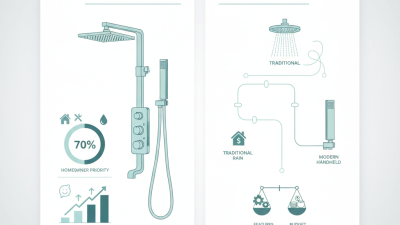
Water Pressure Comparison for Different Showerhead Types

Exploring Material Options for Shower Enclosures and Walls

When choosing shower materials, consider durability and maintenance. Glass is a popular option, providing a sleek look. A recent industry report indicates that glass enclosures have a 70% consumer preference. However, they require regular cleaning to prevent soap scum buildup. Many homeowners find this challenging over time.

Acrylic is another viable choice. It is lightweight and resistant to chipping. According to market analysis, acrylic showers account for about 30% of sales. While they require less upkeep, they can sometimes lack the high-end aesthetic that glass provides.

Ceramic tiles offer versatility in design. With numerous colors and patterns available, they can suit any bathroom style. However, grout lines can attract mold, making cleaning a significant task. Homeowners might underestimate the upkeep involved. Investing in sealing products can mitigate this but adds to maintenance efforts.

Each material has distinct advantages and drawbacks, requiring careful consideration to match personal needs and preferences.

Budgeting for Your Shower Project: Cost Considerations and Upgrades

10 Essential Tips for Choosing the Perfect Shower for Your Bathroom

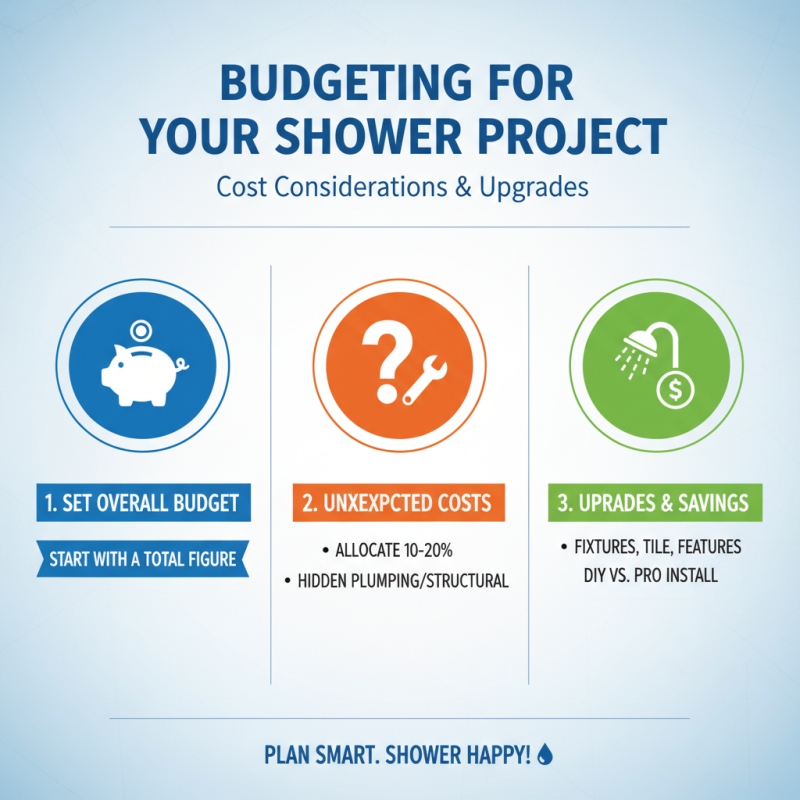
When planning a shower renovation, budgeting is crucial. Consider your overall budget first. Set aside 10-20% for unexpected costs. You might find hidden plumbing issues or structural problems. These can quickly drain your funds.

Next, explore various shower options. Walk-in showers often require more investment. Glass doors and natural stone can add to your expenses. Simple designs can save money, but they may not provide the aesthetic you desire. Reflect on your needs versus your wants.

Think about upgrades like showerheads and controls. Smart technology is appealing but can push your budget higher. Balance quality and cost. Cheaper fixtures may need replacements sooner, costing more in the long run. Pay attention to details, and don’t overlook your priorities. Identify what will give you the best value for your money.