How to Choose the Best Water Saving Shower Head for Your Home?
Choosing the right water saving shower head can be challenging. Every home has unique needs and preferences. The market is flooded with options, making it hard to decide.
Water saving shower heads offer great efficiency. They are designed to reduce water consumption while maintaining a satisfying shower experience. Brands vary in style, pressure, and technology. Some might even look better than others.
It’s essential to consider both performance and aesthetics. Do not overlook the importance of flow rate. These details matter more than you might think. Installation can also impact your final choice. A shower head that fits your existing plumbing saves time. Remember, even the best products may come with issues. Reflect on your choices to ensure that you find the perfect match for your home.
Understanding Water-Saving Shower Head Technology and Efficiency Ratings
When considering a water-saving shower head, understanding the technology and efficiency ratings is crucial. These devices typically use less water without sacrificing performance. According to the Environmental Protection Agency (EPA), efficient shower heads can save households nearly 2,300 gallons of water annually. This is significant, especially in areas facing water shortages.
Water-saving shower heads come with several technology options. Some utilize aeration, which mixes air with water. This provides the sensation of a strong water flow while using less water. Others may use pressure regulation to maintain a consistent flow rate. Look for models with WaterSense labels. These indicate that the shower head meets strict efficiency criteria set by the EPA.
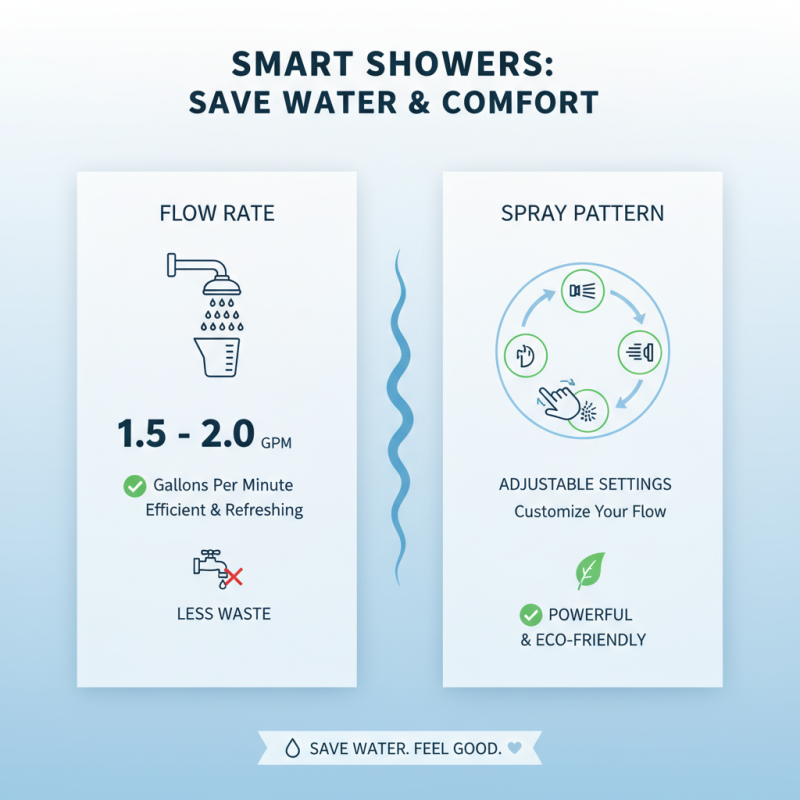
Tip: Check the gallons per minute (GPM) rating. A shower head with a GPM of 2.0 or lower is considered water-efficient. Another tip is to test the feel of the spray. Not all low-flow heads give a satisfying experience. Balancing water savings and comfort can be tricky. It becomes essential to reflect on what truly matters in your shower experience.
Not every model lives up to expectations. Some users report dissatisfaction with pressure or spray patterns. It’s important to research reviews to avoid unhelpful choices. Understanding technology helps you make an informed decision. You may find that not all models are right for every bathroom setup.
How to Choose the Best Water Saving Shower Head for Your Home?
| Model |
Flow Rate (GPM) |
Water Efficiency Rating |
Spray Settings |
Price Range ($) |
| Model A |
1.5 |
WaterSense Certified |
3 |
30-50 |
| Model B |
1.8 |
Energy Star Rated |
5 |
40-70 |
| Model C |
2.0 |
High Efficiency |
4 |
25-45 |
| Model D |
1.3 |
Water Efficient |
6 |
35-55 |
| Model E |
1.6 |
LEED Compliant |
3 |
20-40 |
Comparing Different Types of Water-Saving Shower Heads and Their Features
When choosing a water-saving shower head, it’s essential to explore various types. Low-flow shower heads are popular for their efficient water usage. They often reduce water flow to less than 2.5 gallons per minute. This change can significantly reduce your water bill. Some models even use air to create a fuller spray while conserving water.
Multi-function shower heads offer adjustable settings. They can provide everything from a gentle mist to a powerful massage. Consider how each setting meets your family's needs. Are you looking for relaxation or a quick rinse? The choice depends on your preferences and lifestyle.
Tips: Always check the flow rate before buying. Look for certified products that ensure efficiency. Installation is often simple, but a few adjustments may be needed. Measure your existing shower head height for the perfect fit. Don't ignore aesthetics; a stylish design can enhance your bathroom. Lastly, remember to replace older models, even if they still work. They may waste more water than modern designs.
Comparison of Water-Saving Shower Heads Features
Installation Tips for Optimizing Your Water-Saving Shower Experience
Installing a water-saving shower head can significantly reduce water consumption. According to the U.S. Environmental Protection Agency, a standard shower head uses about 2.5 gallons per minute. In contrast, water-efficient models can cut that usage by 20-60%. However, many homeowners overlook crucial installation tips that enhance efficiency.
One key aspect is adjusting the flow rate. Ensure the shower head is compatible with your existing plumbing. If your water pressure is high, it may outweigh the benefits of a low-flow design. Also, consider using flow restrictors if not built into the shower head. These devices can limit excessive water flow without sacrificing comfort.
Another consideration is the type of shower head. Fixed heads require careful positioning for even water distribution. Handheld options offer flexibility but may waste water if not used wisely. It's vital to test different settings. Spend a few minutes adjusting and observing water coverage. This step helps identify the ideal balance between comfort and conservation. You may find that even efficient options need fine-tuning for optimal performance.
Maintenance Practices to Ensure Long-Term Performance of Shower Heads
When selecting a water-saving shower head, maintenance is crucial for longevity. Regular cleaning prevents mineral buildup. This buildup affects water flow and efficiency. A simple vinegar soak can work wonders. Just remove the shower head and soak it overnight. Rinse well before reattaching. This is a task often overlooked, leading to reduced performance.
Consider checking seals and gaskets as well. A worn-out seal can cause leaks. Leaks waste water and increase bills. Replace worn parts promptly to maintain performance. Often, we forget these small details. Regular inspections go a long way. They keep your shower head functioning well.
Clogged nozzles are another common issue. If you notice uneven water flow, it might be time to act. Use a small brush to clear out debris. This simple step can improve both water pressure and spray pattern. Inadequate maintenance can diminish your shower experience. Addressing these points will ensure that your shower head remains efficient for years to come.