How to Choose the Best Shower Filter Head for Your Home?
When selecting the ideal Shower Filter Head for your home, various factors come into play. According to a recent industry report by the Water Quality Association, up to 60% of households deal with hard water issues. This can lead to skin irritation and damage to pipes and fixtures. The right Shower Filter Head can significantly improve water quality, ensuring a healthier shower experience.
Dr. Emily Sanchez, a water quality expert, emphasizes the importance of filtration. She states, "A high-quality Shower Filter Head can reduce chlorine and harmful impurities." This highlights the role of these filters in enhancing overall wellness. However, not all filters are created equal. Many available products lack effectiveness, leaving consumers puzzled.
While aesthetics and price matter, performance should be the main concern. Some filters might look good but fail to deliver results. It's crucial to research effective options. Understanding your water quality and needs is vital to making the right choice. Don't rush; every detail counts. A small oversight could lead to dissatisfaction with your filter purchase.
Understanding the Importance of Shower Filters for Health and Skin
Shower filters are often overlooked, but they play a vital role in personal health and skin care. Many people do not realize that the water we shower in can contain chlorine, heavy metals, and other impurities. These substances can lead to skin irritations and other health issues. You expose your skin to these elements daily. It’s not just about cleanliness; it’s about overall well-being.
Using a shower filter can help alleviate these concerns. It reduces harmful substances, making the water softer and gentler on your skin. Imagine enjoying a refreshing shower without the harsh chemicals. Your skin may feel softer and more hydrated. Many people notice a difference in their skin's appearance after switching to filtered water. Still, not everyone sees immediate results, and some might need to experiment with various types of filters.
Selecting the right filter is crucial yet tricky. Not every filter type works for every household. Factors such as water quality and flow rate come into play. You might find yourself overwhelmed with choices. It's essential to research carefully. Filter performance varies, and finding one that suits your needs can be a challenge. Reflecting on your options can lead to a better choice for both your skin and overall health.
How to Choose the Best Shower Filter Head for Your Home? - Understanding the Importance of Shower Filters for Health and Skin
| Feature |
Importance |
Considerations |
| Chlorine Removal |
Reduces irritation and dryness |
Look for a filter with activated carbon |
| Water Softening |
Prevents skin and hair damage |
Check for calcium and magnesium removal capabilities |
| Heavy Metal Filtration |
Enhances overall water quality |
Ensure the filter meets NSF/ANSI standards |
| Ease of Installation |
Convenient for immediate use |
Look for no-tools-required installation |
| Filter Longevity |
Cost-effective over time |
Check replacement schedule and costs |
Different Types of Shower Filters and Their Functionality
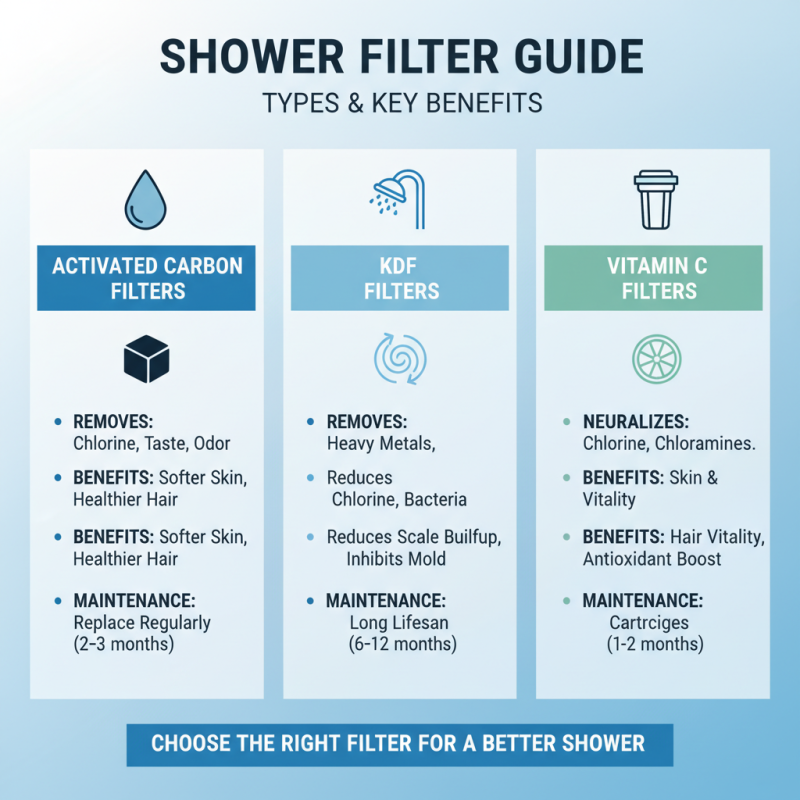
When selecting a shower filter, understanding the various types is essential. There are multiple designs, each with unique features. For instance, activated carbon filters effectively remove chlorine. These filters can improve the water's taste and smell, creating a more pleasant shower experience. They are popular but need regular replacement to maintain effectiveness.
Another type is the catalytic filters, which can reduce heavy metals. They work through a chemical reaction, creating a less harmful substance. People often overlook these filters, but they are valuable for those living in areas with hard water. Consider your water quality before choosing. Sometimes, simple filters won't address all issues.
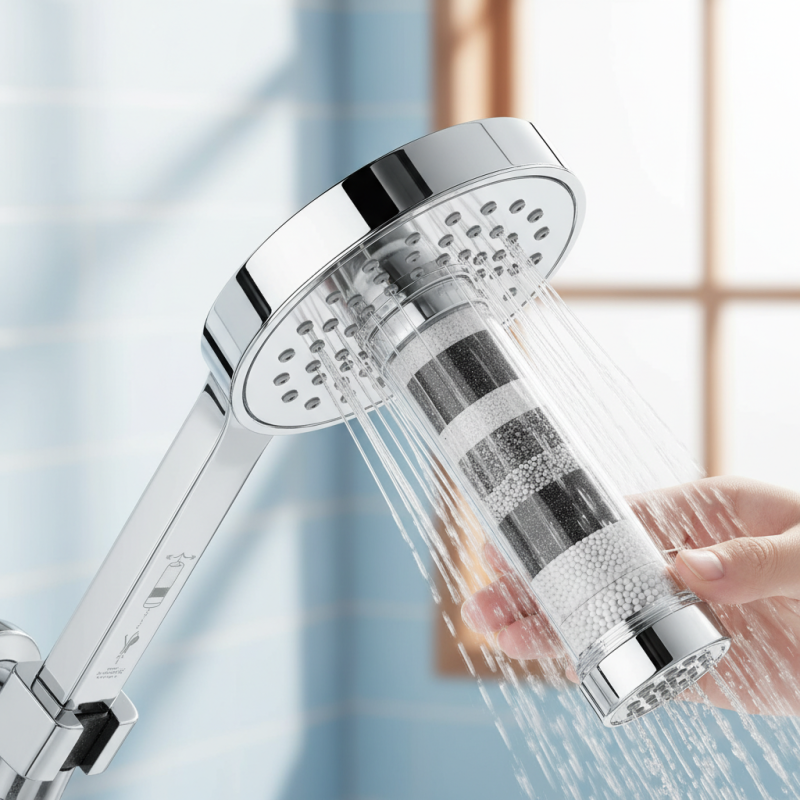
A third option is multi-stage filters. These combine various filtration methods to handle multiple contaminants. They often include sediment filters, which trap physical particles. While these seem effective, they can be bulky and may require consistent maintenance. Not everyone will find them convenient. Each option has pros and cons. Reflecting on your shower habits is vital to find the best fit for your home.
Key Features to Look for in a Shower Filter Head
Choosing the right shower filter head can enhance your daily routine. Several key features are crucial to consider. Look for a filter that effectively removes chlorine and other impurities. This will improve your skin and hair's overall health. A multi-stage filtration system often provides the best results.
The installation process is another important aspect to think about. Many filter heads are designed to fit standard shower fixtures. This means you won’t need professional help to install them. Also, consider the flow rate. Filters that restrict water flow can be frustrating. Opt for a model that maintains a sufficient water pressure while filtering.
The longevity of the filter is often overlooked. Some models require frequent replacements, which can add to costs. A filter that lasts longer may save you money in the long run. Finally, check the ease of cartridge replacement. If it's too complicated, it might discourage regular maintenance. Think about how you can make your shower experience cleaner and more enjoyable.
Assessing Water Quality: Why It Matters for Your Shower Experience
Water quality is a significant factor when choosing a shower filter head. Studies show that up to 80% of Americans have hard water. This can lead to skin dryness and irritation. Chlorine, commonly found in tap water, can strip your skin's natural oils. Research indicates that chlorine exposure can lead to respiratory issues.
Showering in contaminated water may not only feel unpleasant but can also have health implications. In a recent survey, over 60% of respondents reported skin issues linked to their water quality. Using a shower filter head can greatly improve your experience. It can remove impurities like chloramines and heavy metals, helping to enhance your skin's condition.
When evaluating your water quality, consider testing your water. There are easy home testing kits available. Many homes face contaminants like lead or bacteria. Choosing the right filter depends on these factors. Be mindful of your specific needs. Each household's water has unique challenges to address.
Installation and Maintenance Tips for Shower Filter Heads
When installing a shower filter head, follow simple steps for the best results. Begin by turning off the water supply. A towel can help catch any drips during the process. Remove the existing showerhead carefully. If needed, use a wrench, but be cautious not to damage the plumbing.
Next, attach the shower filter head. Ensure the threads align correctly. A rubber washer should be in place to prevent leaks. Hand-tightening is often sufficient. Occasionally, users over-tighten, which can crack the fittings.
Regular maintenance is vital. Check for clogs every few weeks. Minerals can build up quickly. Clean or replace the filter as needed. This helps ensure quality water flow. It’s easy to forget this step, but it’s important. A neglected filter can lead to lower water pressure and diminished performance. Keep an eye on any unusual changes to your water flow.