Why Choose a Water Saving Shower Head for Your Home?
In recent years, the demand for Water Saving Shower Heads has surged. According to the U.S. Environmental Protection Agency (EPA), households can save up to 2,300 gallons of water annually with such devices. This statistic highlights not only the environmental impact but also the potential savings on utility bills. The average American family spends over $1,000 a year on water. By investing in a Water Saving Shower Head, families can significantly reduce this expense.
Moreover, the World Health Organization emphasizes the importance of conserving water due to increasing global shortages. Traditional shower heads can use more than 2.5 gallons per minute. In contrast, water-efficient models often provide the same experience while using less than 2.0 gallons per minute. Such a simple switch can drastically contribute to water conservation efforts. However, some users worry about reduced water pressure, prompting a need for careful selection and design innovation within this realm.
Choosing a Water Saving Shower Head not only addresses immediate personal needs but also aligns with broader environmental goals. By adopting this change, we can contribute to a sustainable future while reflecting on our own water usage habits. The need for efficiency must coexist with comfort, creating a balance that is essential in modern living.
Benefits of Installing a Water Saving Shower Head in Your Bathroom
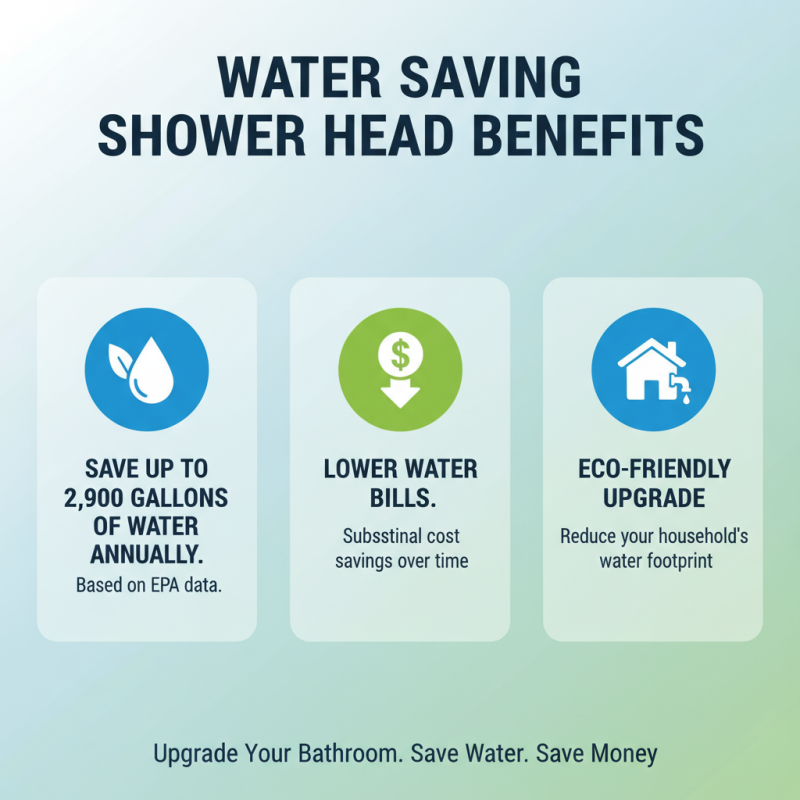
A water-saving shower head is an essential upgrade for any bathroom. According to the Environmental Protection Agency (EPA), households can save up to 2,900 gallons of water annually by using a water-efficient shower head. This reduction in water usage translates into substantial savings on your water bill. With rising water costs, these savings can make a notable difference over time.
Additionally, water-saving shower heads often feature advanced aeration technology. This allows for a satisfying shower experience while reducing water flow to 2.0 gallons per minute or less. Such designs ensure you’re not sacrificing comfort for efficiency. A 2022 study by the American Society of Plumbing Engineers revealed that retrofitting a home with efficient fixtures can result in a 30% reduction in overall water use.
Another significant benefit is the positive environmental impact. Less water usage means less energy required for heating water, contributing to lower carbon footprints. Even though the initial cost may seem daunting, the long-term benefits outweigh these concerns. Reflecting on these aspects, it’s clear that a water-saving shower head is not just a financial decision but also an eco-friendly one.
Overview of Water Usage Statistics for Showers in American Households
In American households, showers account for approximately 17% of all indoor water usage. This statistic highlights how essential water-saving solutions are. Many families use about 40 gallons of water daily for showers alone. These numbers suggest that our daily habits can be adjusted to conserve this precious resource more effectively.
One key tip is to install a water-saving shower head. These fixtures can cut water use by 30% or more while maintaining pressure. Consider checking your current shower head flow rate. If it exceeds 2.5 gallons per minute, a more efficient model could make a significant difference.
Moreover, shorter showers save both water and energy. Reducing your shower time by even two minutes can save gallons per week. Try setting a timer on your phone, reminding you to keep it brief. Every little bit adds up, making it a worthwhile reflection for households looking to improve their water usage habits.
How Water Saving Shower Heads Function: Technology and Design Features
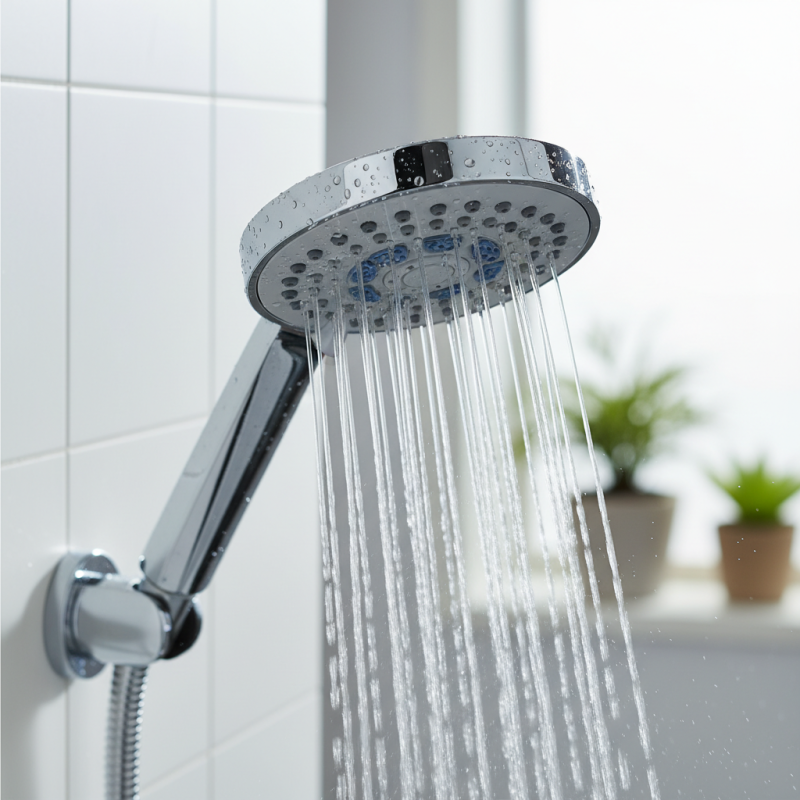
Water-saving shower heads are revolutionizing the way we think about water usage in our homes. These innovative fixtures utilize specialized technology to reduce water flow while maintaining optimal pressure. Many employ air injection features, mixing air with water to create a fuller spray. Others use flow restrictors, limiting the volume without sacrificing comfort. This combination of technology ensures an enjoyable shower experience, even with lower water consumption.
The design of water-saving shower heads is equally important. Many are sleek and modern, fitting well into any bathroom decor. Some models feature handheld designs, allowing for flexibility and ease of use. It's interesting how little changes can lead to significant water savings. An average household can cut its water usage by thousands of gallons each year. Yet, some people may still hesitate to make the switch. They worry about losing the luxurious feeling of a high-pressure shower. Understanding this concern is essential in promoting more sustainable practices.
While the concept of conserving water is appealing, transitioning to a water-saving shower head may require adjustment. Initially, the difference in water flow may feel noticeable. However, many users report adapting quickly and enjoying the new experience. It’s crucial to examine personal preferences and shower habits before making a decision. This reflection can lead to more informed choices, contributing to both comfort and environmental sustainability.
Potential Cost Savings: Analyzing Water and Energy Bill Reductions
When considering home upgrades, a water-saving shower head can significantly impact your water and energy bills. According to the U.S. Department of Energy, using a low-flow shower head can reduce water consumption by over 40%. This reduction translates directly to lower water utility costs. For an average family, this could mean savings of up to $300 annually. Not only does this decrease water usage, but it also cuts down on the energy needed to heat that water.
Furthermore, the Environmental Protection Agency (EPA) highlights that efficient shower heads can save about 2,300 gallons of water per household each year. This conservation effort also reduces the carbon footprint associated with heating water. Many households overlook these savings, focusing instead on initial costs. However, the long-term benefits include reduced expenditures and a positive environmental impact.
It's important to recognize that not all shower heads are created equal. Some may not deliver the performance expected while offering water savings. Exploring options and reading reviews can help navigate these choices. One factor often neglected is maintaining optimal water pressure, which can influence overall satisfaction with a shower head. Investing time in research will lead to informed decisions and better savings in the long run.
Potential Cost Savings from Using Water Saving Shower Heads
By utilizing water saving shower heads, households can see a significant reduction in both water and energy bills, making it a wise investment in sustainability as well as personal finances.
Environmental Impact: Contribution to Water Conservation Efforts Globally
Water scarcity is a pressing issue globally. By choosing a water-saving shower head, you contribute to significant conservation efforts. These fixtures can reduce water usage without compromising the shower experience. Many models restrict flow to around 1.5-2.0 gallons per minute, compared to traditional heads that may use 2.5-5.0 gallons. This reduction is crucial.
Households are responsible for nearly 30% of indoor water use. Every drop counts, especially in areas facing droughts. A water-saving shower head can lead to a marked decrease in water bills. Some might find these shower heads don’t create the same pressure. This can be a point of frustration for users who are accustomed to stronger streams.
Nevertheless, the positive environmental impact is undeniable. Less water usage means less energy required for heating. It’s a simple switch that can have large effects. Yet, some consumers hesitate, fearing changes in comfort. It's essential to research options and find a balance between conservation and satisfaction. In the long run, making eco-friendly choices becomes vital for our planet’s health.