Best Stainless Steel Shower Head for Your Bathroom Upgrade?
Upgrading your bathroom with a quality shower head can greatly enhance your daily routine. In recent years, the popularity of Stainless Steel Shower Heads has surged. According to a report by the Home Improvement Research Institute, over 40% of homeowners prefer stainless steel for its durability and aesthetic appeal. Industry expert John Thompson, a well-regarded plumbing consultant, states, “Choosing the right shower head can transform your bathroom experience significantly.”
Stainless Steel Shower Heads not only provide sleek and modern designs but also resist corrosion and rust. This makes them ideal for long-term use. Homeowners should consider water pressure and spray patterns when selecting a shower head. However, it's essential to remember that high-end options may not always translate to quality. Many affordable models also perform exceptionally well.
There’s a diversity of brands and styles in the market, making the decision quite challenging. Some may find themselves overwhelmed by choices. It’s crucial to weigh personal preferences against high-quality standards. Balancing price and performance is key to making a satisfactory choice.
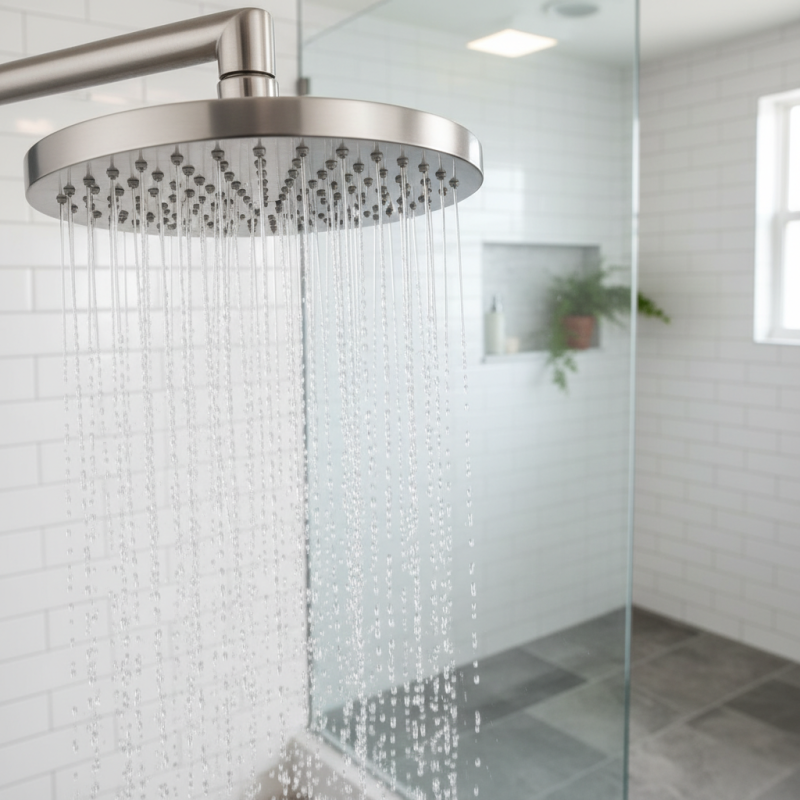
Understanding the Benefits of Stainless Steel Shower Heads
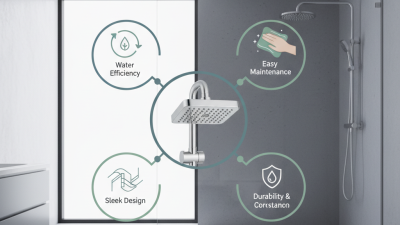
Upgrading to a stainless steel shower head can significantly enhance your bathroom experience. Stainless steel is known for its durability and resistance to corrosion. According to a study by the National Association of Home Builders, over 80% of homeowners prefer material that lasts. A stainless steel shower head is less likely to develop rust compared to its plastic counterparts. This durability translates to lower long-term maintenance costs.
Stainless steel also boasts a sleek aesthetic that complements modern bathrooms. A survey from the Kitchen & Bath Association shows that over 70% of homebuyers prioritize appealing fixtures. This visual appeal, combined with longevity, makes stainless steel a top choice. However, some may find the initial cost higher than other materials. It is crucial to weigh your budget against the potential savings in durability.
Another fascinating aspect is the water flow. Stainless steel shower heads can provide a consistent spray that enhances the shower experience. A report by the U.S. Environmental Protection Agency highlights that efficient shower heads can save homeowners up to 2,900 gallons of water annually. Nonetheless, selecting the right model requires research. The vast variety of designs and features can be overwhelming. Focusing on these elements will lead to a satisfying upgrade for any bathroom.
Key Features to Consider When Choosing a Shower Head
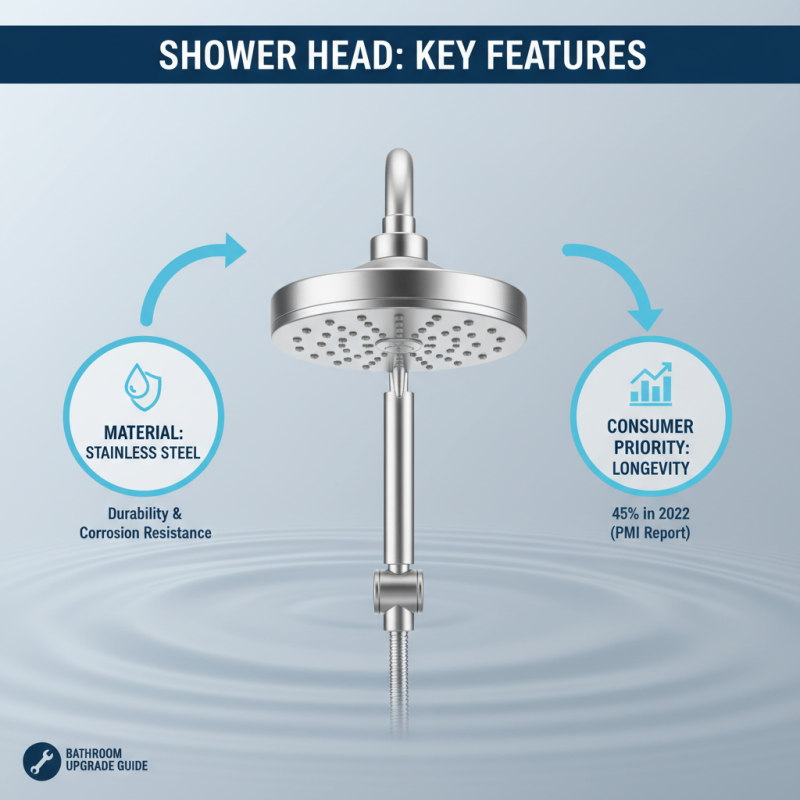
When upgrading your bathroom, selecting the right stainless steel shower head is crucial. The material’s durability and resistance to corrosion make it an attractive choice. According to a 2022 report by the Plumbing Manufacturers International (PMI), stainless steel has become increasingly popular, with 45% of consumers prioritizing this material for its longevity.
Consider flow rate and water-saving features when choosing your shower head. The optimal flow rate is 2.5 gallons per minute (GPM), balancing water conservation and performance. Look for models with air-injection technology, which can enhance pressure without using more water. However, be mindful that some low-flow designs may not provide a satisfying experience. Inadequate pressure can leave you feeling unsatisfied during your shower, highlighting the need to test various options.
Additionally, ease of maintenance cannot be ignored. Stainless steel can resist mineral buildup, but regular cleaning is still necessary. A shower head that is easy to disassemble for cleaning can save time and preserve optimal performance. Research indicates that 30% of consumers overlook this aspect, leading to reduced efficiency over time. Balancing aesthetics, functionality, and maintenance is essential for a satisfying upgrade.
Top Stainless Steel Shower Head Brands in the Market
When upgrading your bathroom, choosing the right stainless steel shower head is essential. The market is filled with various brands, each promising exceptional quality and performance. In the industry, stainless steel shower heads have gained popularity due to their durability and resistance to corrosion. According to industry studies, the demand for stainless steel fixtures has risen by over 25% in recent years.
Among the top brands, some excel in design and functionality. They focus on enhancing user experience through innovative features like adjustable spray patterns and easy-to-clean surfaces. These products often use high-grade stainless steel, ensuring longevity. Research indicates that consumers favor shower heads with advanced technology, such as water-saving capabilities, reflecting a growing trend toward sustainability in bathroom fixtures.
However, not every product meets expectations. Some models may not deliver the promised water pressure or spray quality. Customers often express frustration when installations do not align perfectly with existing plumbing. It's crucial to choose brands with positive reviews and strong customer service records. This insight can help avoid common pitfalls in the selection process. Ultimately, investing time in research pays off.
Best Stainless Steel Shower Head Comparison
Installation Tips for Upgrading Your Shower Head
Upgrading your shower head can enhance your shower experience, but the installation process can be tricky. Before starting, gather all necessary tools. You’ll typically need an
adjustable wrench, plumber's tape, and a soft cloth. Make sure to turn off the water supply to avoid any mess.
Removing the old shower head might require some effort. It can be stuck due to mineral buildup.
Once the old fixture is off, clean the threads on the shower arm. This ensures a proper seal and prevents leaks.
Apply plumber’s tape to the threads of the arm before installing the new shower head.
This step is crucial. Incorrect taping can lead to dripping issues. Hand-tighten the new head and then use the wrench to give it a slight turn for a secure fit.
While the process generally appears straightforward, it can be frustrating if problems arise.
If the shower head leaks after installation, check the tape application again.
Sometimes, a simple oversight can cause bigger problems. Patience is key, as some shower heads may require adjustments to achieve the desired angle.
Always ensure everything is snug but avoid overtightening, as it can damage fittings.
Maintenance and Care for Longevity of Shower Heads
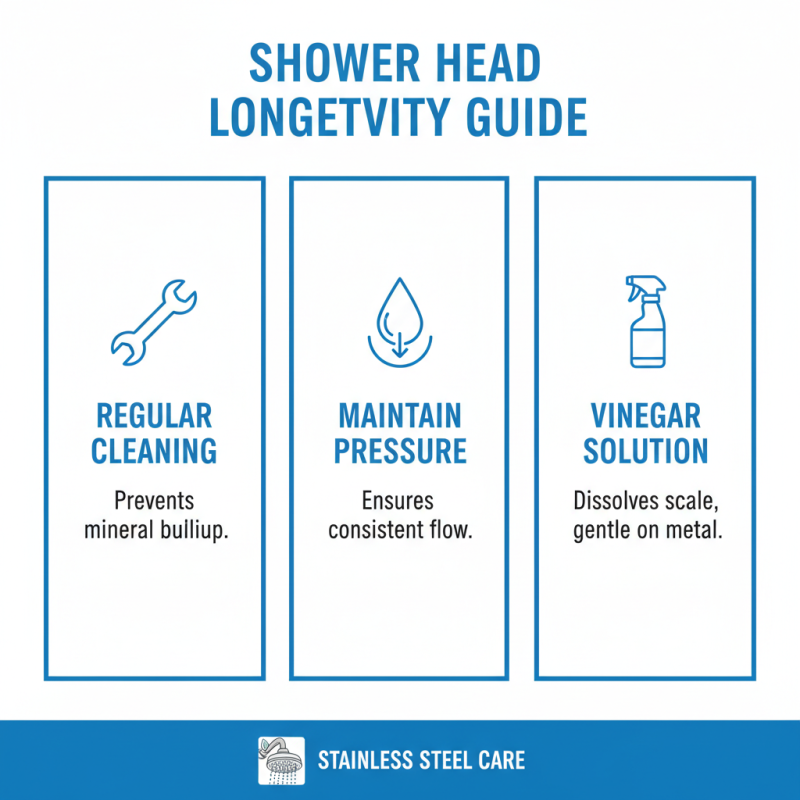
When considering a stainless steel shower head, maintenance is key to longevity. Regular cleaning helps prevent mineral buildup, which can affect water pressure. Use a vinegar solution to dissolve scale. This simple mix is effective yet gentle on metal surfaces.
Tips: Wipe down your shower head after each use. This small act can reduce water stains and soap scum over time. Avoid harsh chemicals that could damage the finish, opting for natural cleaners instead.
Occasionally, check the rubber nozzles for blockages. A soft brush can clear out debris without scratching the shower head. Remember, small distractions can lead to larger problems later on. Basic upkeep is an investment in quality and performance. A well-maintained shower head enhances your daily routine significantly.