2026 Best Shower Head Filter Choices for Clean Water at Home?
When it comes to clean water at home, the shower head filter plays a crucial role. Many people overlook this essential tool, assuming their tap water is safe enough. However, impurities can linger in our water systems, affecting both health and skin.
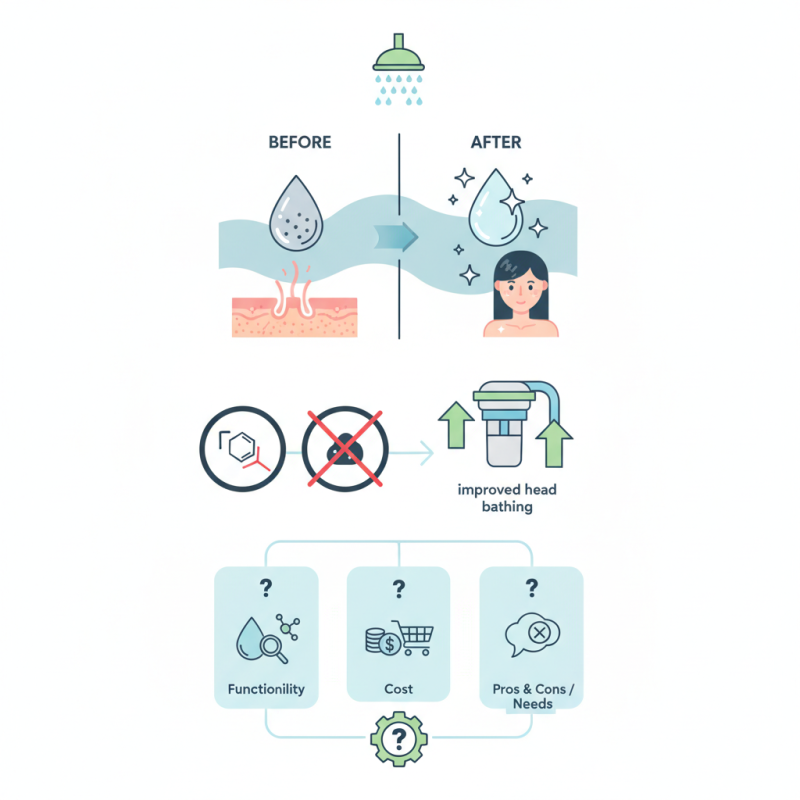
In 2026, the market offers a variety of shower head filter options. These filters can significantly reduce chlorine and other harmful substances. A shower head filter can help improve your bathing experience. The benefits extend beyond clean water; they can enhance skin and hair health too.
Yet, choosing the right filter can be overwhelming. With so many products available, it’s easy to become confused. Not every option will meet your needs. We need to reflect on what we truly value in our bath time. Investing wisely means considering both functionality and cost. Each choice has its pros and cons, and that is important to remember.
Top Features to Consider in Shower Head Filters for Clean Water
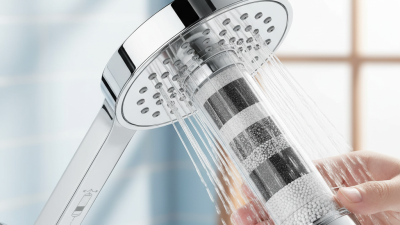
When selecting a shower head filter, there are crucial features to consider. Water quality varies widely. A good filter should remove chlorine, sediment, and heavy metals. Look for multi-stage filtration for better purification.
Tip: Check the filter lifespan. Some filters last only a few months. You don’t want to replace it too often. Look for models that offer extended use without compromising quality.
Another important feature is the flow rate. It affects water pressure. A high flow rate can feel refreshing. However, lower flow rates save water. Strike a balance that suits your needs.
Tip: Read user reviews. They often highlight real-life experiences. Notice if users mention leaks or maintenance issues. This can help you avoid disappointing purchases.
Types of Shower Head Filters: Comparing Options for Home Use
Choosing the right shower head filter can enhance your daily routine. Several types are available, each designed to target specific water issues. Activated carbon filters reduce chlorine and improve taste, creating a cleaner shower experience. They're simple to install and maintain, yet some users may find their lifespan shorter than expected.
Another option is the Vitamin C filter. This type neutralizes chlorine and chloramines effectively. Many users enjoy the softening effect it has on their skin and hair. However, these filters may require regular replacement, which can be costly over time. The effectiveness of different filters may vary based on water quality, leading some to reconsider their choices.
Kinetic Degradation Fluxion (KDF) filters are another choice. They work well for heavy metals and bacteria. While they offer excellent protection, the installation may be complex for some DIYers. Users might struggle with maintenance or compatibility with existing shower systems. It’s vital to evaluate your water needs and lifestyle carefully before selecting a type.
2026 Best Shower Head Filter Choices for Clean Water at Home
| Filter Type |
Filter Medium |
Removal Capabilities |
Lifespan |
Price Range |
| Carbon Block |
Activated Carbon |
Chlorine, Odor |
6 months |
$30 - $60 |
| Vitamin C |
Ascorbic Acid |
Chlorine, Chloramine |
6 months |
$40 - $70 |
| KDF (Kinetic Degradation Fluxion) |
Copper and Zinc Alloy |
Heavy Metals, Chlorine |
1 year |
$50 - $90 |
| Multi-Stage |
Various Filters (e.g., Carbon, KDF) |
Chlorine, Sediments, Heavy Metals |
6-12 months |
$50 - $100 |
| Ion Exchange |
Resin Beads |
Hard Water, Metals |
1 year |
$60 - $120 |
Installation Process for Shower Head Filters: A Step-by-Step Guide
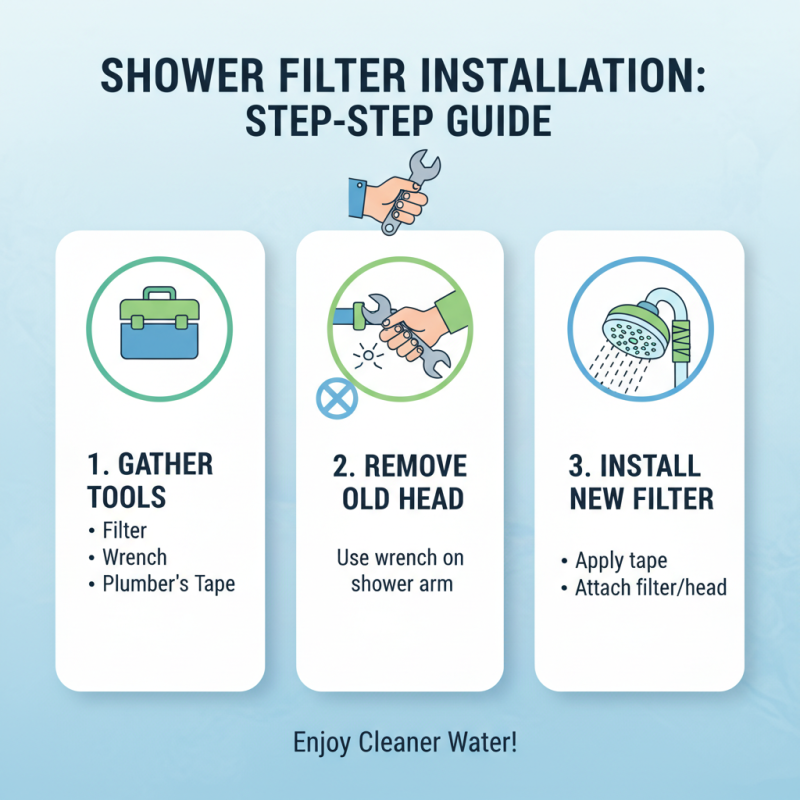
Installing a shower head filter can greatly improve your water quality. The installation process is fairly simple. Start by gathering your tools: a wrench, plumber's tape, and your filter. Position the wrench on the shower arm carefully. You want to avoid scratching the surface.
Next, unscrew the existing shower head. This process may require some effort, especially if it hasn’t been removed in a while. Once loose, pull it off. Don’t forget to clean the exposed threads to remove any old tape or debris. This ensures a good seal for the new filter.
After that, apply plumber's tape to the threads of the shower arm. This step is often overlooked, but it's crucial for preventing leaks. Now, screw on the new filter. Hand-tightening usually suffices, but don’t forget to check for leaks. If moisture appears, try tightening it slightly. Take your time. If the filter doesn’t fit perfectly, it’s okay to readjust. Just be patient and keep checking your work.
Maintenance Tips for Prolonging the Life of Your Shower Head Filter
Maintaining your shower head filter can extend its life significantly. According to industry reports, a well-maintained filter can effectively reduce harmful contaminants, improving your water quality. Here are some tips to ensure your filter lasts longer.
Regular cleaning is essential. Mineral deposits can build up, affecting water flow. Remove the filter every month. Soak it in a vinegar solution for at least 30 minutes. This method helps dissolve hard water stains. Always rinse thoroughly afterward to avoid any vinegar residue.
Monitor the filter's performance. If you notice a decrease in water pressure, it may be time for a replacement. Filters generally last six months to a year, depending on usage. Keeping track of these details can aid in timely replacements. Don’t overlook your filter’s life—neglected filters can lead to impurities in your water.
Evaluate your water quality at home periodically. Tap water can carry chlorine, heavy metals, and other pollutants. A simple test kit can provide insight into what you’re dealing with. Understanding your water source allows you to address any specific issues more effectively. Regular assessments can make a difference in your health and home.
Best Brands and Models of Shower Head Filters for 2026
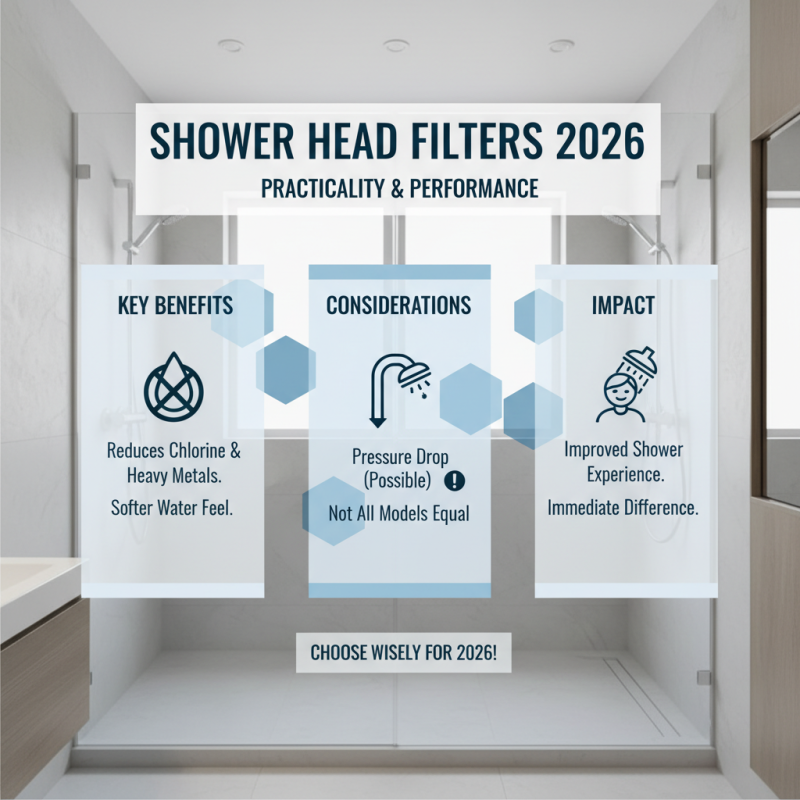
When looking for shower head filters in 2026, practicality is key. Many options exist. Some filters effectively reduce chlorine and heavy metals. However, not all models deliver the same benefits. For instance, some may add a slight pressure drop. Users often notice a difference in water feel right away. A good filter can dramatically improve your shower experience.
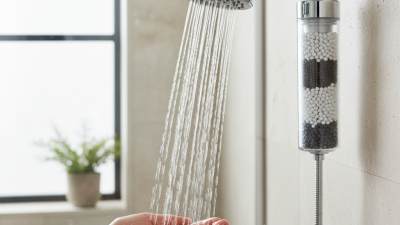
Common materials for these filters include KDF and activated carbon. They work effectively in removing impurities. Still, not every filter lasts as long as advertised. Regular replacement is essential. Consumers sometimes overlook this, leading to disappointing results. It's important to check your filter’s lifespan frequently.
Choosing the right model can be overwhelming. Consider flow rates, ease of installation, and filter life. Many users prefer handheld options for flexibility. But they may require more maintenance. Remember, the goal is cleaner water with every shower. Pay attention to the details, and do your research. Making an informed choice is crucial for health.